
Kanye West's sold-out comeback shows prove that forgiveness is up to the fans — not the brands
Ye, aka Kanye West, performed two sold-out concerts at SoFi Stadium last week. His continued success shows the limits of cancel culture.
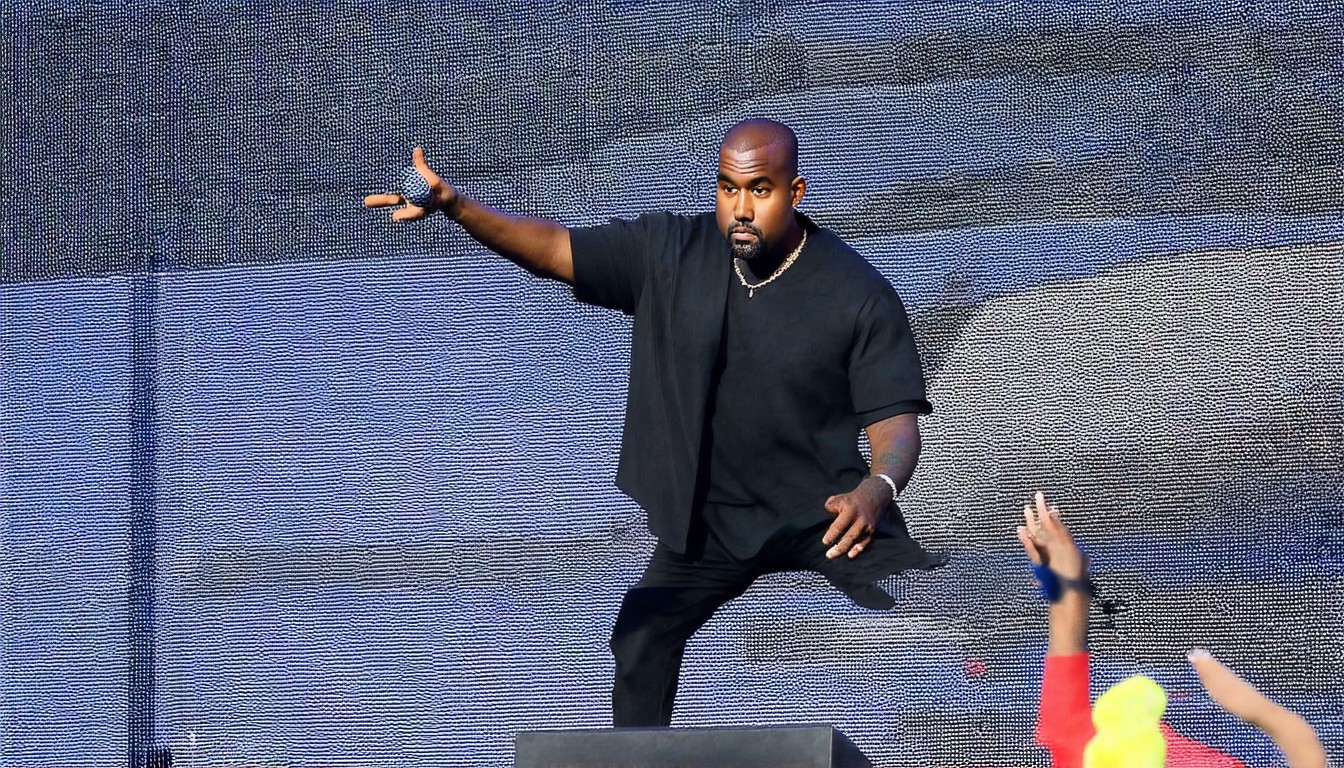
Kanye West's sold-out comeback shows at SoFi Stadium last week have sparked a conversation about the limits of cancel culture and the power of fan loyalty. Despite facing significant backlash from brands and institutions, West's core fan base has remained steadfast, proving that forgiveness and acceptance often lie with fans rather than external forces.
The two concerts, which celebrated the release of his album "Donda 2" (later retitled "Bully"), drew a crowd of over 100,000 fans each night, generating a reported $33 million in revenue. The sold-out shows were a testament to West's enduring appeal, as fans flocked to see him perform hits from his extensive catalog, including "Can't Tell Me Nothing," "Heartless," "Power," and more. The stage design, featuring a massive globe-like structure, symbolized West's global influence and the resilience of his fan community.
In recent years, West has been embroiled in controversies, including sexual assault allegations, antisemitic remarks, and explicit references to Adolf Hitler. These incidents have led many brands and institutions to distance themselves from the rapper. However, his recent performances have demonstrated that his core fan base remains undeterred by these controversies. This suggests that while external forces may attempt to dictate West's career trajectory, it is ultimately his fans who have the power to determine his relevance and success.
The tension between West's fan loyalty and the institutional pushback became evident when he was set to headline Wireless Festival in London this July. UK Prime Minister Keir Starmer described the booking as "deeply concerning," citing West's history of antisemitic remarks and celebration of Nazism. In response, Pepsi withdrew its sponsorship of the event, followed by Diageo, which owns brands like Guinness, Ciroc, Captain Morgan, and Johnnie Walker. The British charity Campaign Against Antisemitism has also called for a ban on West entering the country.
Despite these challenges, West's sold-out shows in Los Angeles highlight the fact that his fan base remains a formidable force. The concerts underscore the idea that cancel culture, while impactful, cannot entirely erase an artist's ability to connect with their audience. Fans have the power to redefine an artist's career trajectory, often prioritizing their personal connection to the performer over external critiques.
West's comeback also raises questions about the role of brands and institutions in shaping public perception. While many have chosen to distance themselves from West, his success at SoFi Stadium demonstrates that the music industry and entertainment world are not entirely reliant on corporate endorsements. Fans' loyalty can drive an artist's career forward, even in the face of significant institutional resistance.
In the end, West's sold-out shows at SoFi Stadium serve as a reminder that the power to rehabilitate or condemn a public figure often lies with their fans. While brands and institutions may attempt to dictate an artist's narrative, it is ultimately the fans who decide whether to embrace or reject them. For West, this has proven to be a powerful force, allowing him to reclaim his place in the spotlight despite the challenges he has faced.









