
Kanye West's permission to enter the UK 'under review by ministers' as Wireless backlash grows
Permission for Kanye West to enter the UK is currently being reviewed by ministers, Sky News understands, following mounting pressure over his booking as the headline act for Wireless Festival.
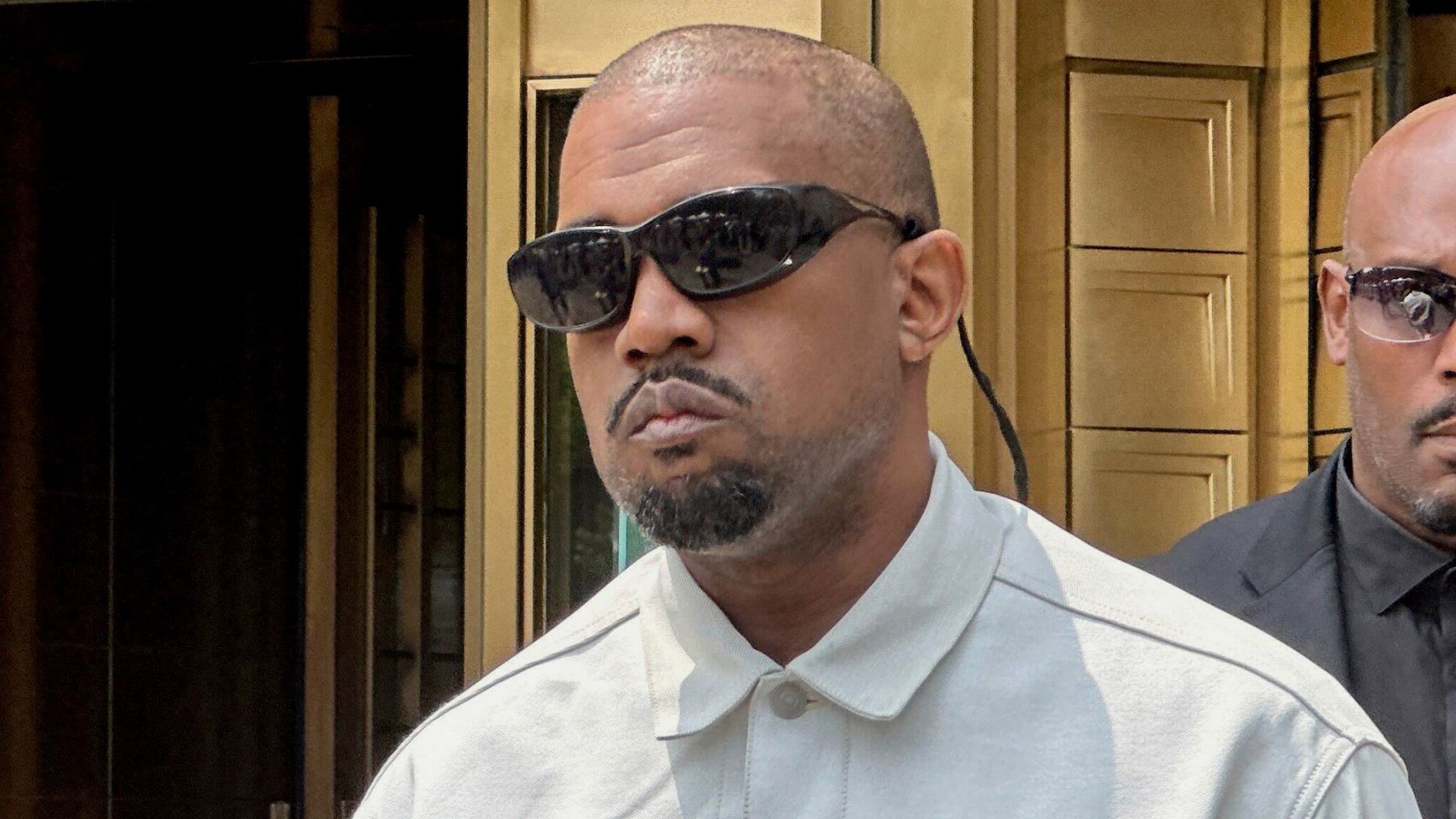
The UK government is reportedly reviewing Kanye West's permission to enter the country, following significant backlash over his booking as the headline act for Wireless Festival. According to Sky News, ministers are closely examining the situation amid mounting public and media pressure. The decision to allow West to perform in the UK has sparked widespread debate, with many questioning the appropriateness of his presence given his recent controversies and public statements.
Wireless Festival, a popular annual music event held in London, announced Kanye West as its headline act earlier this year. The announcement was met with mixed reactions, but it was not until West's recent public comments and behavior that the backlash intensified. His outspoken views on various social and political issues, including antisemitism and Holocaust denial, have drawn criticism from both fans and critics alike. Some have called for his removal from the festival lineup, arguing that his presence could overshadow the event and damage its reputation.
The UK Home Office, which is responsible for granting visas and permits for foreign artists, is currently reviewing West's application. The process typically involves assessing factors such as the artist's impact on the UK economy, their record of compliance with UK laws, and any potential security risks. However, the recent scrutiny on West's personal conduct has added a new layer of complexity to the review process.
Critics argue that allowing West to perform in the UK could send a message that his controversial views are acceptable, which might encourage further extremist behavior. They also point out that the festival organizers should take responsibility for the acts they book and ensure that they align with the values of the event. Supporters of West, on the other hand, argue that his music should be separated from his personal life and that censorship should not be used to silence artists based on their opinions.
The situation has also drawn attention to the broader issue of free speech and the role of artists in shaping public discourse. While some argue that West's right to free speech should be protected, others believe that his recent statements have crossed a line and warrant a reevaluation of his eligibility to perform in the UK.
Wireless Festival organizers have not yet commented on the backlash, but it is clear that the pressure is mounting. The UK government's decision on West's visa will likely be influenced by the ongoing public debate and the potential impact on the festival's success.
In the meantime, the controversy has sparked discussions about the responsibility of music festivals in choosing their lineups and the role of governments in regulating artists' entry into a country. As the review continues, it remains to be seen whether West will be allowed to perform in the UK or if the situation will lead to a reevaluation of the festival's booking strategy.
The situation is developing rapidly, with social media and traditional media outlets continuing to cover the story. Fans and critics alike are watching closely, eager to see how the UK government will handle the case. The outcome could set a precedent for future decisions involving controversial artists and the balance between free speech, artistic freedom, and public morality.








