Kant on the age of the world
.
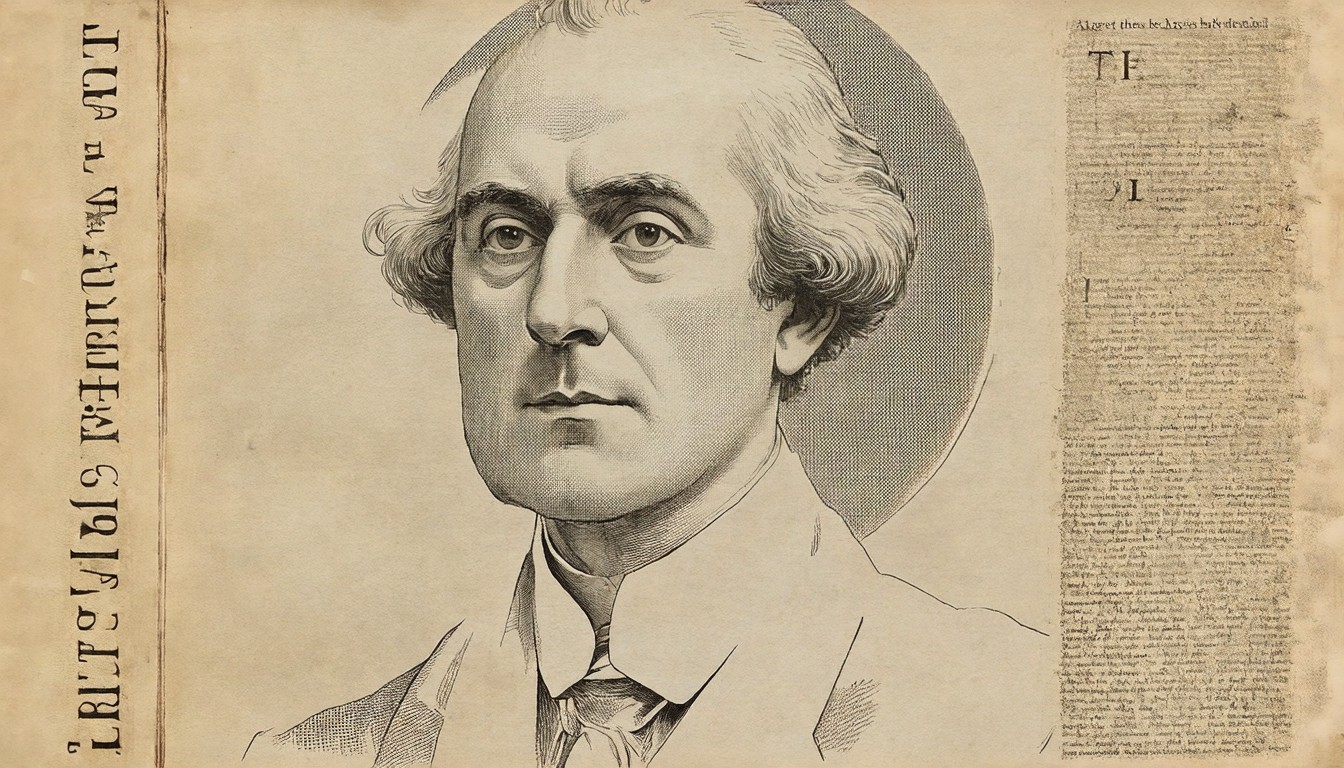
Immanuel Kant, the renowned German philosopher, made significant contributions to various fields, including epistemology, ethics, and metaphysics. One of his lesser-known yet intriguing works is his exploration of the age of the world, a topic that has captivated scholars and theologians for centuries. In his writings, Kant delved into the philosophical and scientific aspects of determining the age of the Earth, offering insights that continue to resonate today.
Kant's interest in the age of the world stemmed from his broader inquiries into the relationship between reason, faith, and the natural world. He was deeply concerned with reconciling scientific discoveries with religious beliefs, particularly in the context of biblical chronology. In his work "The Only Possible Basis for a Demonstration of the Existence of God," Kant discussed the limitations of empirical methods in determining the Earth's age and the challenges posed by the vast timescales involved.
One of the primary sources of debate surrounding the age of the world was the biblical account of creation. Traditional interpretations of the Genesis creation narrative suggested that the Earth was created approximately 6,000 years ago. However, as scientific understanding of geology and astronomy advanced, this timeline came into question. Kant recognized this tension and sought to address it through a combination of philosophical and scientific reasoning.
In his essay "On the Age of the Earth," Kant critically examined the methods used by scientists of his time to estimate the Earth's age. He acknowledged the importance of empirical evidence, such as the study of fossils and stratification, but also emphasized the need for philosophical reflection. Kant argued that the age of the world could not be determined solely through observation and calculation but required a synthesis of rational inquiry and empirical data.
Kant's approach to the problem of the Earth's age was marked by his commitment to the Enlightenment ideals of reason and skepticism. He warned against accepting unverified claims about the Earth's age and urged scholars to approach the subject with caution. In doing so, he challenged the prevailing assumptions of his time and paved the way for more rigorous scientific inquiry.
Kant's work on the age of the world also had implications for his broader philosophical project. By engaging with the natural sciences, he sought to demonstrate the interconnectedness of human knowledge and the unity of human experience. For Kant, the study of the Earth's age was not merely an academic exercise but a means of exploring the limits and possibilities of human understanding.
In the years following Kant's death, scientific advancements, particularly the development of radiometric dating techniques, provided increasingly accurate estimates of the Earth's age. These discoveries have since been integrated into broader understandings of the history of the universe, further illustrating the importance of Kant's early contributions to the dialogue between science and philosophy.
Today, Kant's reflections on the age of the world serve as a reminder of the enduring value of critical thinking and the interplay between reason and empirical evidence. His work continues to inspire philosophers, scientists, and theologians as they grapple with the complexities of understanding the natural world and our place within it.
In conclusion, Immanuel Kant's exploration of the age of the world represents a significant chapter in the history of philosophy and science. By engaging with the challenges posed by the Earth's age, Kant not only contributed to the development of empirical methods but also underscored the importance of a rational and skeptical approach to knowledge. His legacy endures as a testament to the power of reason in shaping our understanding of the universe.