
Jury finds Elon Musk liable for misleading investors during Twitter purchase
A jury has found Elon Musk liable for misleading investors by deliberately driving down Twitter's stock price in the tumultuous months leading up to his 2022 acquisition of the social media company.
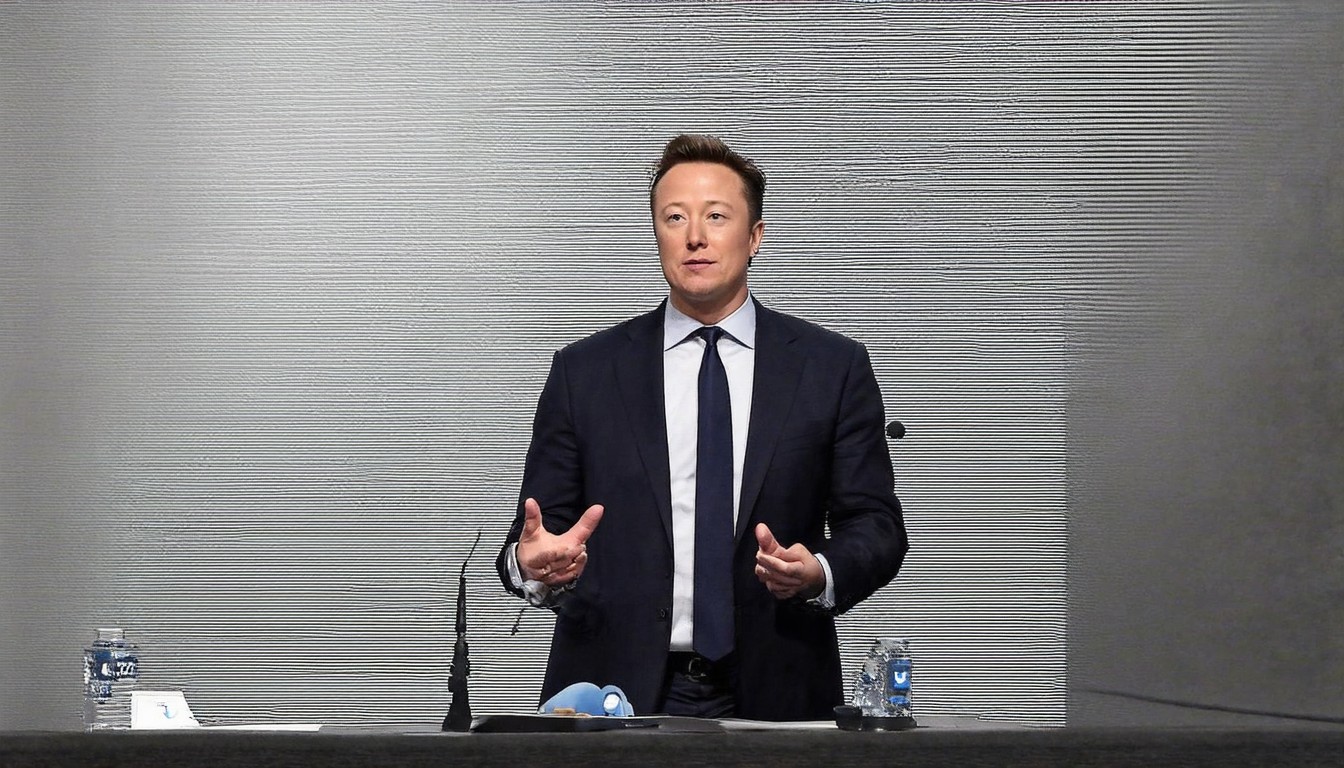
In a landmark verdict, a jury has ruled that Elon Musk, the CEO of Tesla and SpaceX, is liable for misleading investors during the tumultuous period leading up to his acquisition of Twitter in 2022. The case, which has been widely followed by the financial and technology communities, centers on allegations that Musk intentionally manipulated the stock price of Twitter to make it more attractive to his investment group.
The jury's decision, delivered after a week of deliberations, marks a significant legal milestone for investors who claim they were affected by Musk's actions. The verdict follows a trial that highlighted the complexities of corporate governance and the responsibilities of high-profile investors in public markets.
The case began in October 2022, when Musk announced his intention to purchase Twitter for $42 billion. However, within weeks, he publicly expressed doubts about the company's financial health, particularly regarding the number of fake or spam accounts on its platform. Musk's statements led to a sharp decline in Twitter's stock price, which some investors argue was a deliberate attempt to reduce the company's valuation and make it more affordable for his group.
In response to the allegations, Musk's legal team argued that his statements were protected as free speech and that he had a right to express his opinions about the company. They also contended that Musk's actions did not constitute fraud, as he had not made any false statements about Twitter's finances.
Despite these defenses, the jury found Musk liable for misleading investors. The verdict does not yet determine the extent of the damages, which will be decided in a separate phase of the trial. However, the ruling itself is a significant victory for the plaintiffs, who argue that Musk's actions violated securities laws and misled investors about the true value of Twitter's stock.
The case has drawn attention to the challenges faced by companies in balancing transparency with the need to protect sensitive information. It also raises questions about the role of influential investors in public markets and the potential consequences of their actions.
In the aftermath of the verdict, Twitter's stock price has remained volatile, reflecting the ongoing uncertainty surrounding the company's future. Musk, meanwhile, has continued to make headlines with his bold statements and business ventures. The outcome of the trial will likely have a lasting impact on the way high-profile investors communicate with the public and the markets.
As the case moves toward a damages phase, both parties are expected to present evidence about the financial impact of Musk's actions. The plaintiffs will argue that investors suffered significant losses due to Musk's manipulation, while Musk's legal team will seek to minimize the extent of the damages.
The verdict is also likely to influence future corporate governance practices, as companies and investors grapple with the implications of high-profile investors' statements. It serves as a reminder that even influential figures must adhere to the rules governing public markets and the transparency required to protect investors' interests.
In conclusion, the jury's decision to find Elon Musk liable for misleading investors during the Twitter acquisition saga is a landmark ruling that underscores the importance of corporate responsibility and transparency in the financial markets. The case not only affects the parties involved but also sets a precedent for how influential investors must communicate with the public and the markets, ensuring that their actions do not undermine investor confidence and trust.









