
Jury finds Elon Musk liable for misleading investors during Twitter purchase
A jury has found Elon Musk liable for misleading investors by deliberately driving down Twitter's stock price in the tumultuous months leading up to his 2022 acquisition of the social media company.
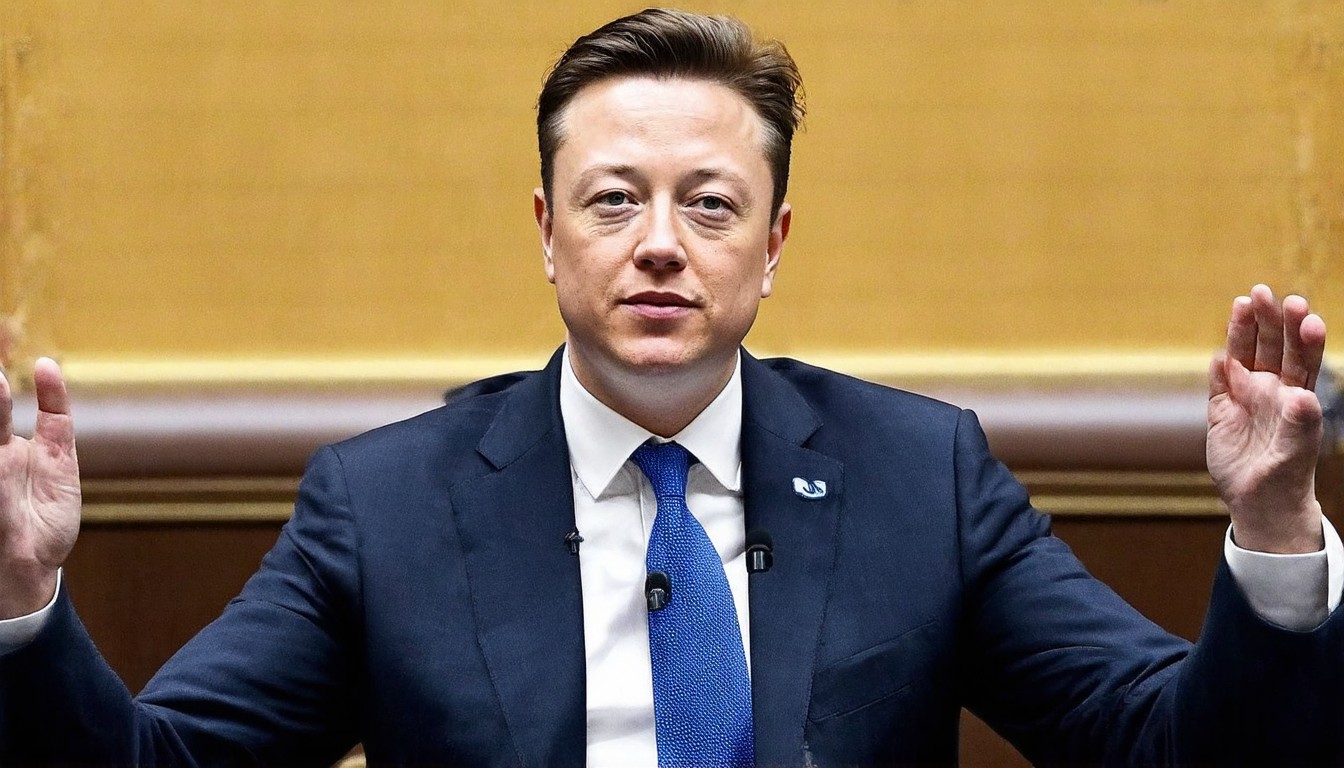
A jury has found Elon Musk liable for misleading investors by deliberately driving down Twitter's stock price in the tumultuous months leading up to his 2022 acquisition of the social media company. This landmark decision marks a significant legal turning point for both Musk and Twitter, highlighting the consequences of actions that could have potentially manipulated financial markets.
The case stems from Musk's tweets in May 2022, where he announced that he was withdrawing from his agreement to purchase Twitter, citing concerns about the number of fake or spam accounts on the platform. This announcement sent shockwaves through the stock market, causing Twitter's stock price to plummet by more than 20% in a single day. The legal action, filed by a group of Twitter shareholders, accused Musk of making false statements that intentionally undervalued the company's stock, thereby causing financial harm to investors.
In the weeks leading up to the jury verdict, the court heard evidence that Musk had made a series of statements about Twitter's fake accounts, which were later found to be inaccurate. Musk's team argued that he had acted in good faith and that his concerns about the platform's user base were legitimate. However, the plaintiffs contended that Musk's actions were calculated to drive down the stock price, allowing him to acquire Twitter at a lower cost.
The jury's decision to find Musk liable is a rare occurrence in the world of high-profile tech executives. It underscores the importance of transparency and accountability in financial dealings, particularly for individuals with the influence and resources of Musk. The verdict could have far-reaching implications for future corporate acquisitions and the treatment of investors in high-stakes transactions.
In response to the verdict, Musk's legal team has stated that they will appeal the decision, arguing that the jury's interpretation of the facts was incorrect. Meanwhile, Twitter has expressed satisfaction with the outcome, noting that the case was about protecting investor confidence and upholding the integrity of the stock market.
This case also raises questions about the role of social media in financial markets. Musk's tweets, which reached millions of followers, had a profound impact on Twitter's stock price, illustrating the potential for misinformation to sway investor sentiment. The verdict may prompt regulators to reconsider the rules surrounding public statements by corporate leaders, particularly those made on social media platforms.
In the aftermath of the jury's decision, investors are likely to be more cautious when it comes to high-profile deals involving influential figures like Musk. The case serves as a reminder that even the most powerful individuals are not above the law and that their actions can have serious consequences for those who rely on accurate information to make investment decisions.
As the legal battle continues, the broader implications of this verdict will be closely watched by the financial community and the tech industry. It remains to be seen whether this decision will set a precedent for how investors are protected in the age of social media and rapid-fire corporate dealings. Regardless of the outcome, the case highlights the need for transparency and accountability in the world of corporate acquisitions and investor relations.









