
JPMorgan CEO Says Private Credit Likely Isn’t a Systemic Risk
JPMorgan Chase’s CEO sees potential risks from private credit and sweeping changes resulting from AI. In his annual letter to shareholders, published Monday (April 6), Jamie Dimon addressed private credit, an industry attracting regulatory attention recently due to concerns about liquidity, transparency and lending discipline. Dimon said private credit probably isn’t a systemic risk in “grand […] The post JPMorgan CEO Says Private Credit Likely Isn’t a Systemic Risk appeared first on PYMNTS.com .
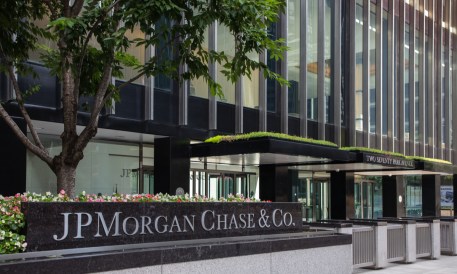
JPMorgan Chase’s CEO Jamie Dimon has weighed in on the growing concerns surrounding private credit in his annual letter to shareholders, published on April 6. Dimon addressed the industry, which has recently come under regulatory scrutiny due to worries about liquidity, transparency, and lending discipline. While acknowledging potential risks, Dimon stated that private credit is unlikely to pose a systemic risk in the grand scheme of things.
Private credit, an asset class with a nearly $2 trillion market size, has been drawing attention for its opaque nature and potential vulnerabilities. Unlike traditional banking or public debt markets, private credit loans are typically held in private portfolios and valued internally by the funds that originate them. This lack of transparency can obscure deteriorating credit conditions until stress becomes impossible to ignore.
Despite these concerns, Dimon argued that private credit’s size is dwarfed by other market segments. He compared it to investment grade bonds and residential mortgages and securities, both of which have a combined market size of $13 trillion. This comparison suggests that, while private credit is significant, it is not large enough to pose a systemic threat to the financial system.
However, Dimon did not dismiss all risks. He warned that during a credit cycle, which is inevitable, losses on leveraged lending in general will likely be higher than expected relative to the prevailing environment. He attributed this to the fact that credit standards have been modestly weakening across the board. Additionally, Dimon noted that private credit often lacks "great transparency or rigorous valuation 'marks' of their loans," which can lead to increased selling activity if market participants believe the environment will worsen, even if actual realized losses barely change.
The CEO also predicted that insurance regulators will eventually enforce stricter ratings or markdowns, prompting demands for more capital. This could further tighten the regulatory grip on private credit, potentially curbing its growth and forcing more disciplined lending practices.
The debate around private credit has intensified in recent months, with bank filings and executive commentary highlighting the sector's size and potential weaknesses. While Dimon’s assessment suggests that private credit is not a systemic risk, his comments underscore the need for greater transparency and oversight in the industry. As the market continues to evolve, particularly in the face of sweeping changes brought about by AI, regulators and market participants will need to remain vigilant to address any emerging vulnerabilities and safeguard financial stability.









