
Jolted awake last night? How to prepare for the next earthquake in Berkeley
Resources and tips for staying safe, helping your neighborhood, and recovering from the Big One.
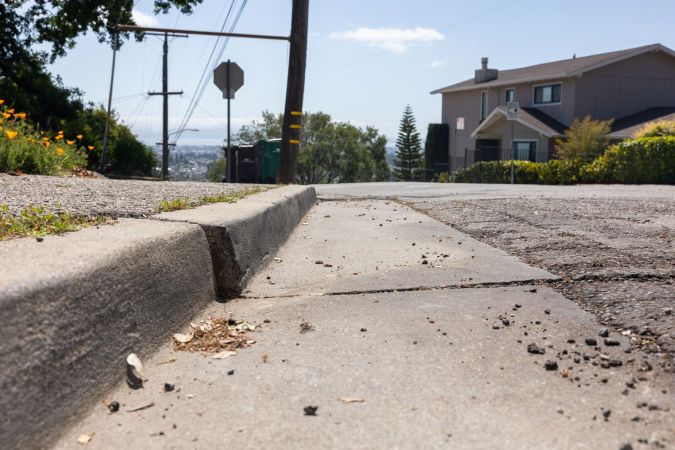
Last night, the residents of Berkeley were jolted awake by an unexpected earthquake, reminding everyone of the constant seismic activity in the region. While the tremor was relatively mild, it underscored the importance of preparedness for the next major seismic event. As the city braces itself for the "Big One," it's crucial for residents to understand how they can stay safe, support their neighborhood, and ensure a swift recovery.
Staying Safe
The first step in preparing for an earthquake is to understand the basics of earthquake safety. The United States Geological Survey (USGS) recommends that residents familiarize themselves with the "Drop, Cover, and Hold On" technique, which involves dropping to the ground, covering their heads with their arms, and holding on until the shaking stops. This method is particularly effective for reducing the risk of injury from falling objects or collapsing structures.
In addition to learning the proper response, it's essential to assess the safety of your home and workplace. Check for any obvious hazards, such as unsecured furniture, loose appliances, or items that could become projectiles during an earthquake. The California Department of Consumer Affairs provides resources for identifying and addressing these risks, including a "Quake-Proof Your Home" checklist.
Furthermore, having an emergency kit is critical. This should include essentials like non-perishable food, water, a first-aid kit, flashlights, batteries, and important documents. Keeping this kit in an easily accessible location, such as a portable cooler or backpack, ensures that it's ready to use when needed.
Helping Your Neighborhood
Community preparedness is just as important as individual safety. Berkeley has a robust network of neighborhood watch groups and emergency management systems that can help residents stay informed and support one another during and after an earthquake.
One way to help your neighborhood is by participating in local earthquake drills. These exercises, often organized by city officials or community groups, allow residents to practice their response and familiarize themselves with emergency protocols. Additionally, joining a neighborhood preparedness group can provide valuable information and resources, as well as a sense of community during times of crisis.
Another way to support your neighborhood is by volunteering with local organizations that focus on earthquake preparedness. Groups like the Berkeley Disaster Preparedness Coalition offer workshops and resources to help residents understand the risks and develop strategies for staying safe.
Recovering from the Big One
While no one can predict when the next major earthquake will strike, having a recovery plan in place can make a significant difference. The City of Berkeley has developed a comprehensive emergency plan that outlines steps for responding to various types of disasters, including earthquakes.
One key component of recovery is having a plan for communicating with loved ones. Establishing a meeting point outside your home can help ensure that family members can find each other quickly after an earthquake. It's also important to have a list of important contacts, including family, friends, and emergency services, in case phone lines are down.
In addition to personal recovery plans, it's essential to understand how your community can assist in the broader recovery effort. Local governments and non-profit organizations often need volunteers to help with search and rescue, provide food and shelter, or support those who have lost their homes.
Conclusion
The earthquake that woke Berkeley last night serves as a stark reminder of the importance of preparedness in a region constantly at risk from seismic activity. By staying informed, securing their homes, and supporting their neighborhoods, residents can better withstand the next major earthquake and ensure a swift recovery. As the city braces for the "Big One," it's clear that collective action and individual responsibility are key to safeguarding lives and communities in the face of natural disasters.









