
John Bolton thinks America is past “peak Trump”
Donald Trump’s former national security adviser speaks to The Economist
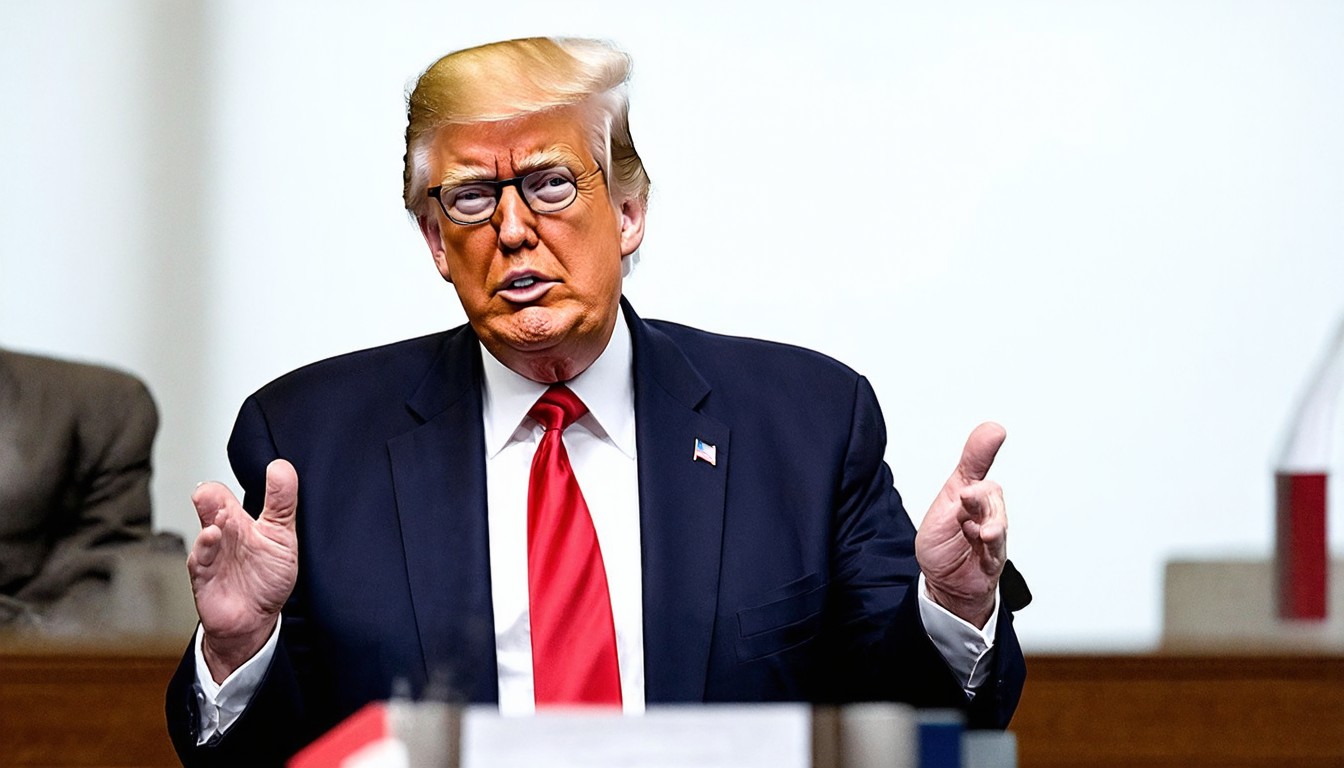
John Bolton, the former national security adviser to President Donald Trump, has recently shared his perspective on the current state of American politics in an interview with The Economist. Bolton, known for his hawkish approach to foreign policy and his tumultuous tenure in the Trump administration, has offered insights into the shifting dynamics of the Republican Party and the potential impact of the 2024 election cycle.
In the interview, Bolton discusses the notion of "peak Trump," suggesting that the United States has reached a point where the influence and popularity of the former president have peaked. He argues that while Trump remains a significant figure in American politics, the country is now in a phase where the Republican Party must adapt to new realities and challenges. Bolton highlights the growing influence of younger voters and the changing demographics of the electorate, which may require the party to reconsider its traditional policies and messaging.
Bolton's comments come as the Republican Party faces mounting pressure to modernize its image and appeal to a broader audience. The former national security adviser acknowledges that Trump's unique brand of populism and nationalism has been a significant factor in his electoral success, but he also warns that relying solely on these themes may no longer be sustainable. Bolton suggests that the party must embrace a more inclusive and pragmatic approach if it is to maintain its relevance in the long term.
One of the key issues Bolton addresses is the role of Trump himself in the future of the Republican Party. He acknowledges that Trump's influence is still considerable, but he also points out that the party's success in the 2024 election will likely depend on the ability of other candidates to appeal to a wider range of voters. Bolton emphasizes the importance of unity within the party, particularly in the lead-up to the 2024 election, as divisions could prove detrimental to the party's prospects.
Bolton also touches on the potential impact of the 2024 election on the direction of American foreign policy. He suggests that if the Republican Party is to regain control of Congress and the White House, it must present a coherent and compelling vision for the role of the United States in the world. Bolton, who has long advocated for a more assertive foreign policy, urges the party to prioritize national security and rebuild America's global standing.
However, Bolton acknowledges that the path to achieving this goal is not without challenges. He points out that the Republican Party must navigate a complex landscape, including internal divisions and the lingering effects of Trump's presidency. Bolton emphasizes the need for the party to focus on policy substance rather than personal attacks, in order to regain the trust and support of the American people.
In conclusion, John Bolton's interview with The Economist offers a nuanced perspective on the current state of American politics and the Republican Party. While he acknowledges the enduring influence of Donald Trump, Bolton argues that the party must adapt to new realities in order to succeed in the 2024 election cycle and beyond. His comments highlight the pressing need for the Republican Party to modernize its image, prioritize national security, and foster unity in the face of significant challenges. As the United States continues to navigate a period of political transformation, Bolton's insights offer a glimpse into the potential trajectory of the nation's political landscape.









