Jobless young Palestinians trapped as Israel holds Gaza’s economy hostage
With 80 percent unemployed, young Palestinians struggle to survive as Israeli blockade causes economic collapse
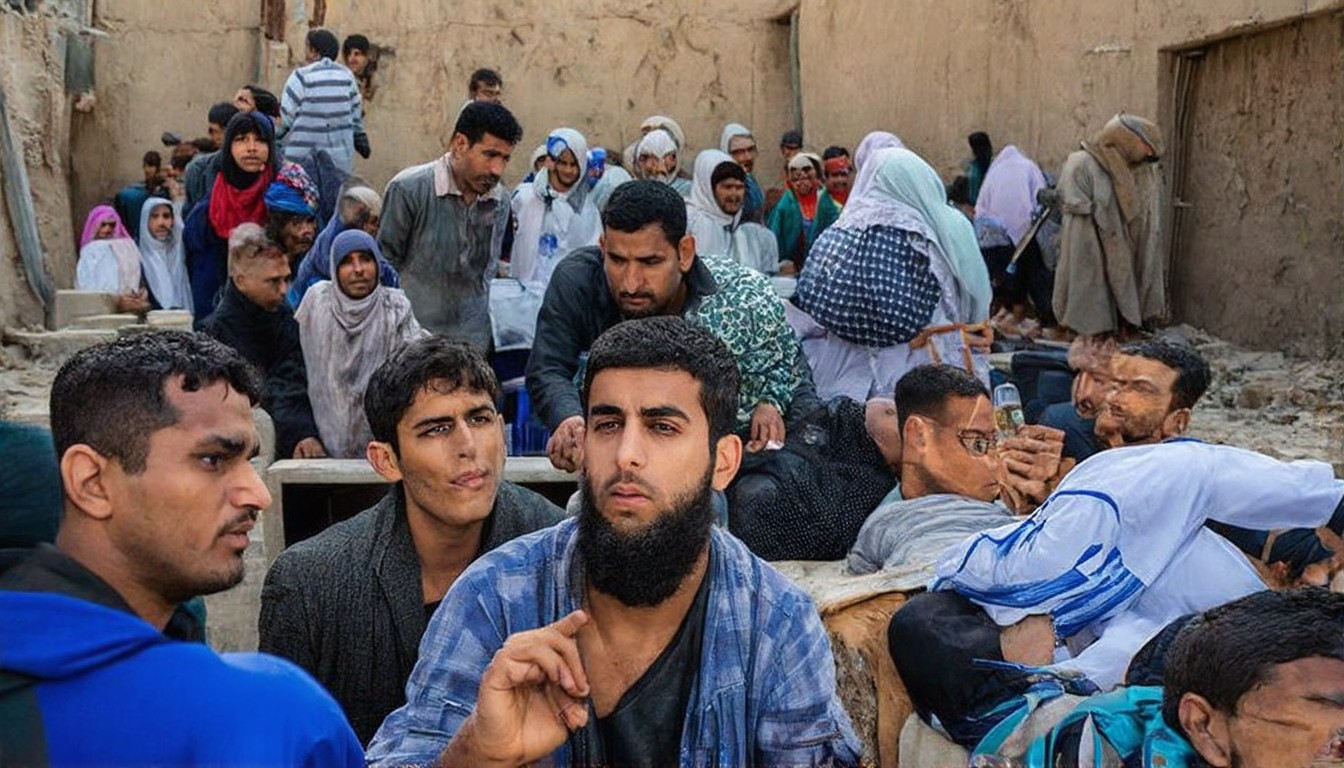
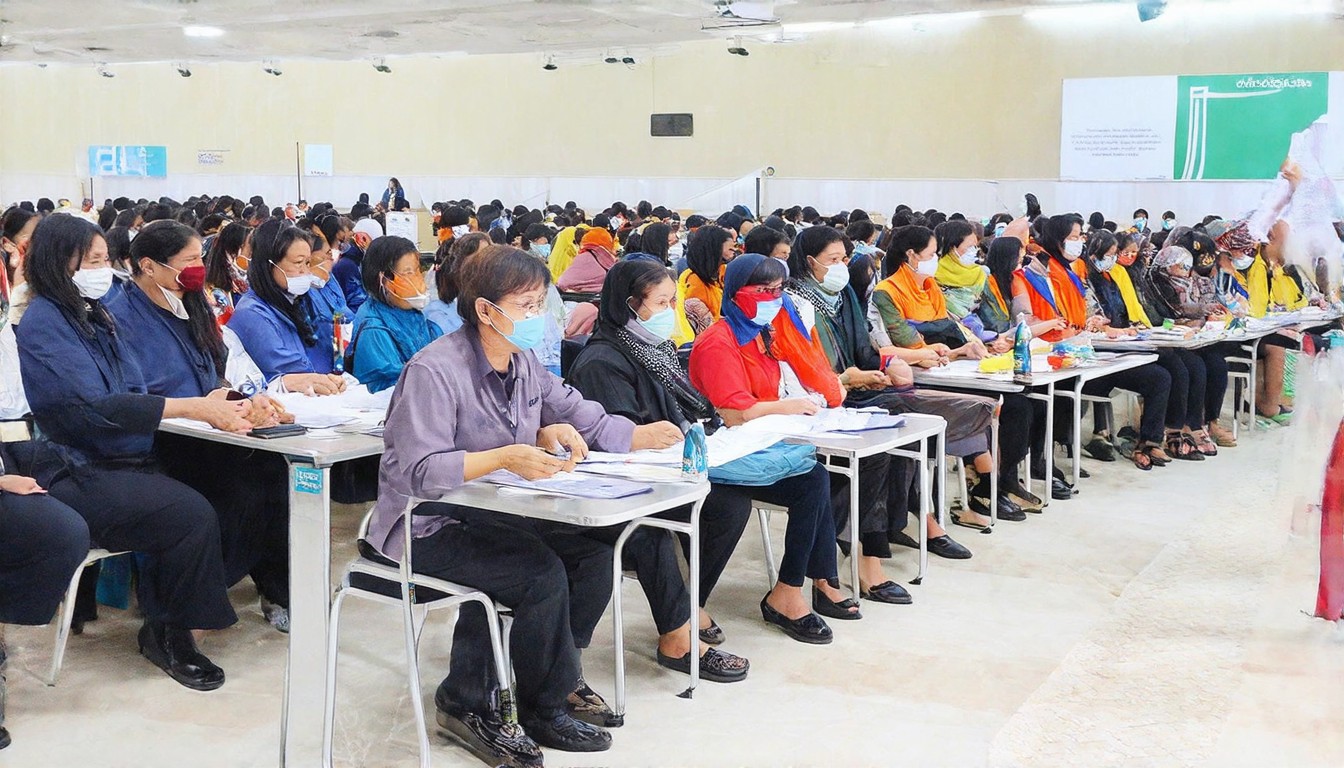
In the shadow of a prolonged Israeli blockade, young Palestinians in Gaza are facing an existential crisis as unemployment soars to alarming levels. With an estimated 80 percent of the youth population jobless, the economic collapse triggered by the blockade has left many trapped in a cycle of poverty and despair. This situation, compounded by limited resources and restricted access to essential goods, has created a humanitarian crisis that threatens the future of an entire generation.
The Israeli blockade of Gaza, imposed in 2007, has systematically dismantled the economic foundation of the territory. By restricting the flow of goods and services, Israel has effectively crippled Gaza's industries, leaving many Palestinians without the means to sustain themselves. The blockade has also severely limited the ability of Gaza to import basic necessities, such as food, medicine, and building materials, further exacerbating the hardships faced by its residents.
Young Palestinians, who are particularly vulnerable to the effects of the blockade, are struggling to find employment opportunities. With few prospects for work, many are forced to rely on informal sectors or engage in petty trade to make ends meet. However, these options often come with limited financial security and no social benefits, leaving them exposed to the whims of an unstable economy.
The situation is further complicated by the lack of access to quality education and vocational training. With schools and universities operating under resource-constrained conditions, young Palestinians are often unable to acquire the skills needed to compete in the global job market. This gap in education and training has created a vicious cycle, as employers in both Gaza and abroad are reluctant to invest in a workforce that lacks the necessary qualifications.
The Israeli blockade has also disrupted Gaza's agricultural sector, which has traditionally been a vital source of income for many families. The closure of borders and restrictions on the import of seeds and fertilizers have made it increasingly difficult for farmers to sustain their livelihoods. As a result, many young Palestinians who would have otherwise pursued careers in agriculture are now forced to seek alternative means of survival.
The economic collapse has also had a profound impact on mental health and social cohesion. With limited opportunities for engagement and self-expression, young Palestinians are increasingly turning to drugs, alcohol, and other forms of substance abuse as a coping mechanism. This rise in substance abuse has created a public health crisis, further straining the already overburdened healthcare system in Gaza.
Despite these challenges, there are pockets of resilience and innovation emerging within the community. Grassroots initiatives and small-scale enterprises are attempting to fill the gaps left by the collapsing economy, providing employment opportunities and fostering a sense of community. However, these efforts are often hampered by the blockade, which restricts access to the resources and markets needed for sustainable growth.
International efforts to alleviate the humanitarian crisis in Gaza have been met with limited success. While some organizations have managed to deliver aid and support, the Israeli blockade continues to impede their ability to reach those in need. The international community must urgently address the root causes of the crisis and advocate for the lifting of the blockade, which is the only way to restore hope and opportunity for the young Palestinians trapped in its grip.
In the face of such adversity, the future of Gaza's youth remains uncertain. The Israeli blockade has left them with little choice but to endure a life of hardship and uncertainty. As the global community looks on, it is crucial to recognize the urgent need for action to break the cycle of poverty and despair, and to ensure that the next generation of Palestinians is not left to bear the brunt of this ongoing humanitarian crisis.