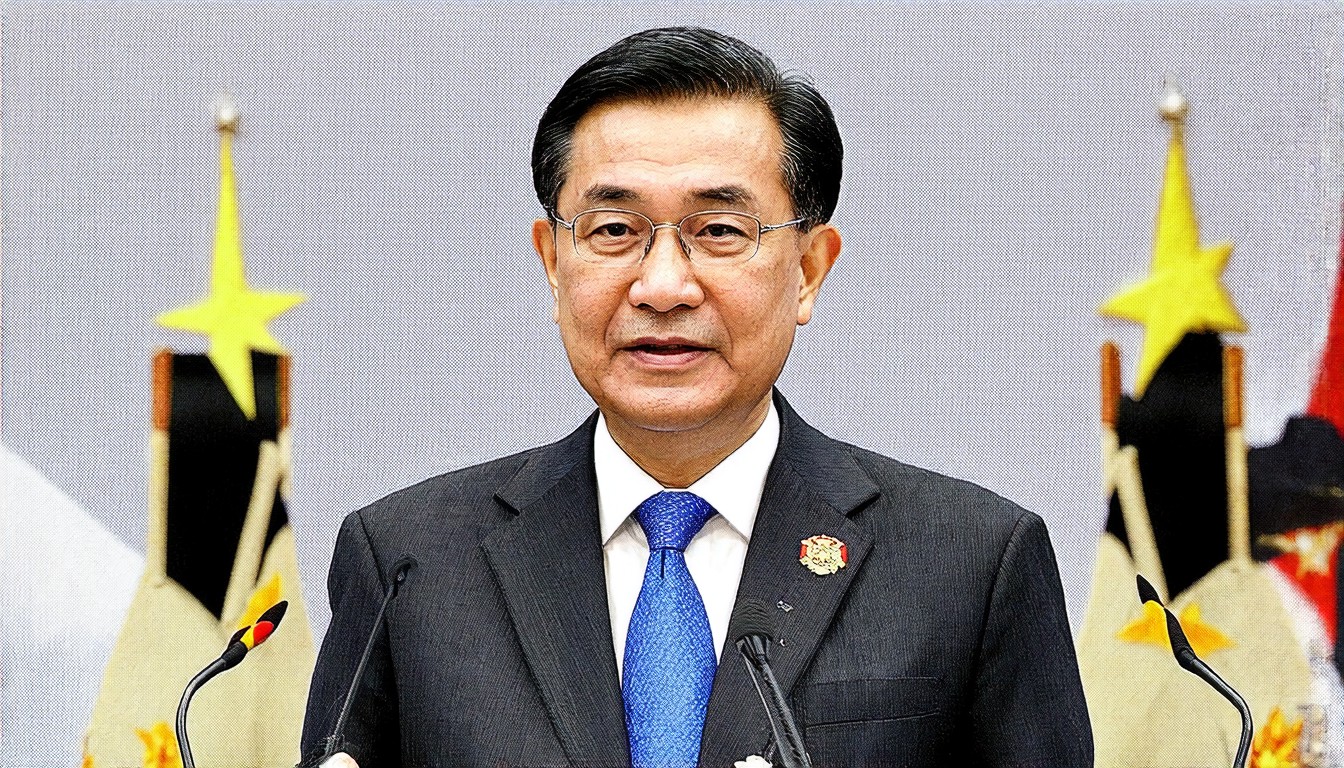
JD Vance due in Hungary to back Orban's re-election bid
The US vice-president's visit is the latest show of White House support for the Hungarian leader.
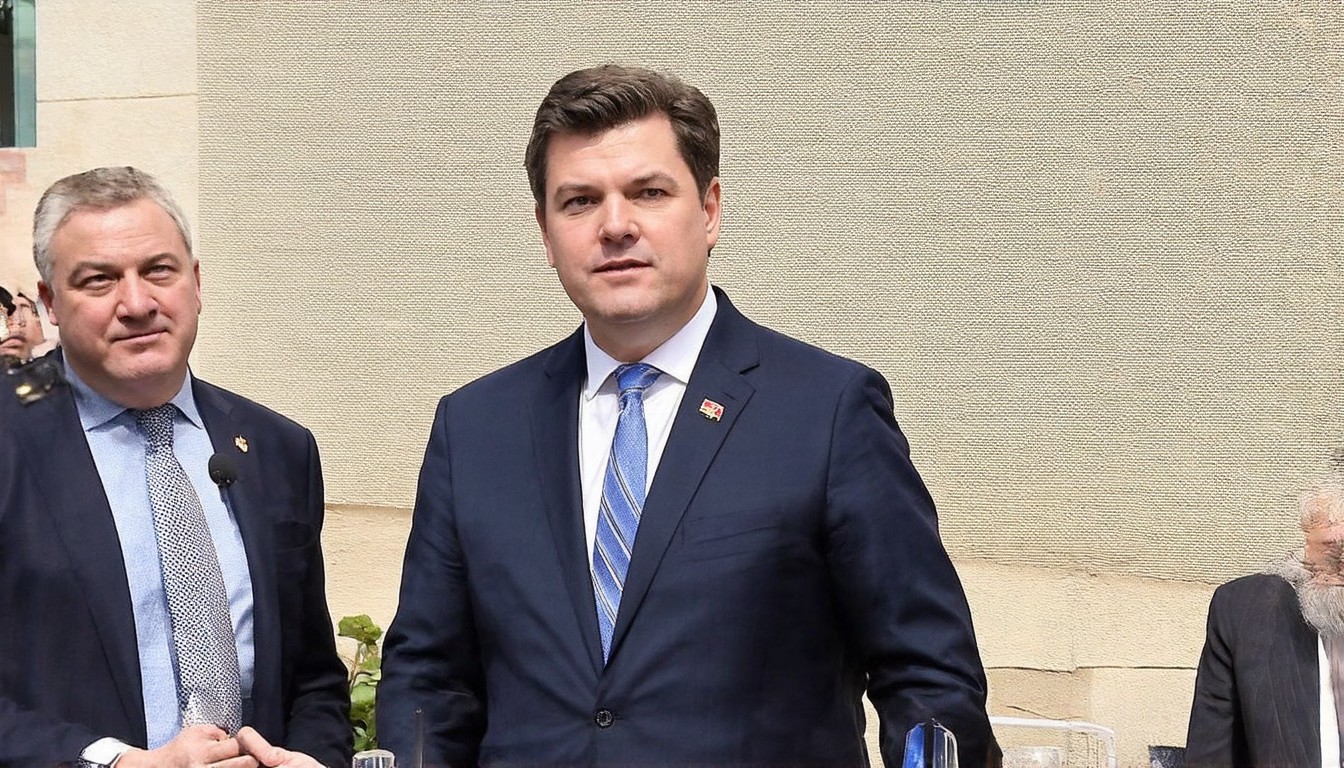
JD Vance, the U.S. vice-president, is set to visit Hungary in a significant show of support for the re-election bid of Hungarian Prime Minister Viktor Orban. This move comes as the White House continues to demonstrate its backing for Orban amidst ongoing political tensions and debates surrounding Hungary's policies.
The visit is expected to highlight the close relationship between the U.S. and Hungary, particularly under the current administration. While Hungary has faced criticism over issues such as human rights and democratic governance, the U.S. administration has prioritized strategic partnerships and cooperation on key areas like defense and energy.
Vance's presence in Hungary is expected to send a clear message to both domestic and international audiences. It underscores the White House's commitment to supporting allies in the region, even when those allies face scrutiny. This visit also comes at a crucial time for Orban, who is vying for a fifth term as prime minister in an election set to take place later this year.
Orban's re-election campaign has been marked by a focus on national sovereignty and opposition to what his government refers to as "foreign interference." The U.S. vice-president's visit is seen as a vote of confidence in Orban's leadership, particularly in the context of Hungary's stance on issues such as migration and the ongoing conflict in Ukraine.
The decision to send a high-ranking U.S. official to Hungary has been met with mixed reactions. Critics argue that the U.S. should prioritize democratic values and human rights, and that supporting Orban could send the wrong message to Hungary's citizens and the international community. However, supporters of the visit emphasize the importance of maintaining strong alliances in a geopolitically challenging environment.
In recent years, Hungary has been a key player in NATO and the European Union, particularly in its role as a frontline member facing migration challenges. The U.S. administration has also appreciated Hungary's support for NATO's collective defense and its stance on energy security, including efforts to reduce dependence on Russian energy.
Vance's visit is expected to cover a range of topics, including economic cooperation, security, and regional stability. Both sides are likely to discuss ongoing challenges, such as the impact of the Russia-Ukraine war and the need for a coordinated response to global issues like climate change and cybersecurity.
The visit also comes at a time when Hungary is under pressure from the European Union over rule of law concerns. The EU has frozen billions of euros in funds for Hungary due to concerns about corruption and the independence of the judiciary. The U.S. administration's support for Orban could be interpreted as a willingness to prioritize bilateral relations over EU-wide standards.
In conclusion, JD Vance's visit to Hungary to back Orban's re-election bid is a significant gesture that reflects the complex dynamics of U.S.-Hungarian relations. While it signals a strong alliance, it also raises questions about the balance between strategic interests and democratic values. As Hungary prepares for its elections, the visit is poised to influence both domestic and international perceptions of Orban's political trajectory and the future of Hungary's place in the global order.