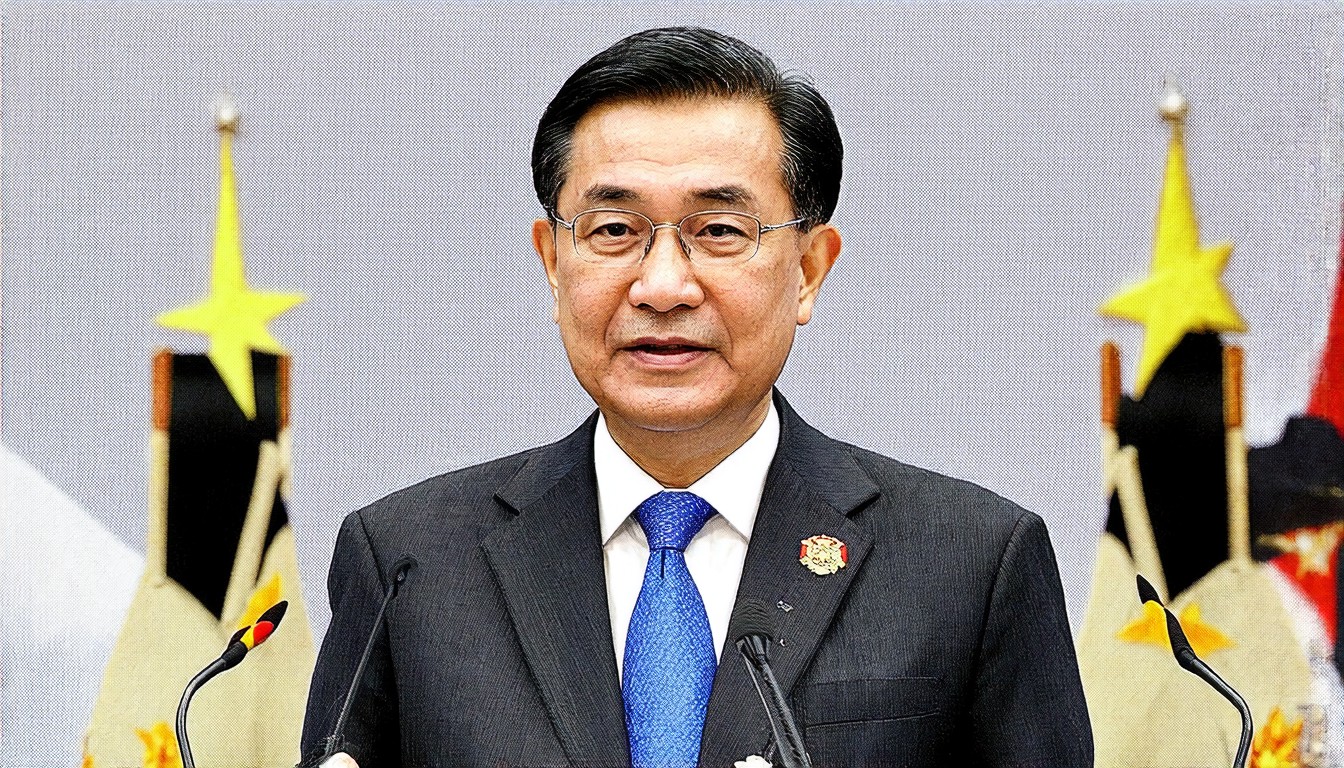
Japan’s Takaichi seeks urgent summit with Iran as Trump’s Hormuz deadline looms
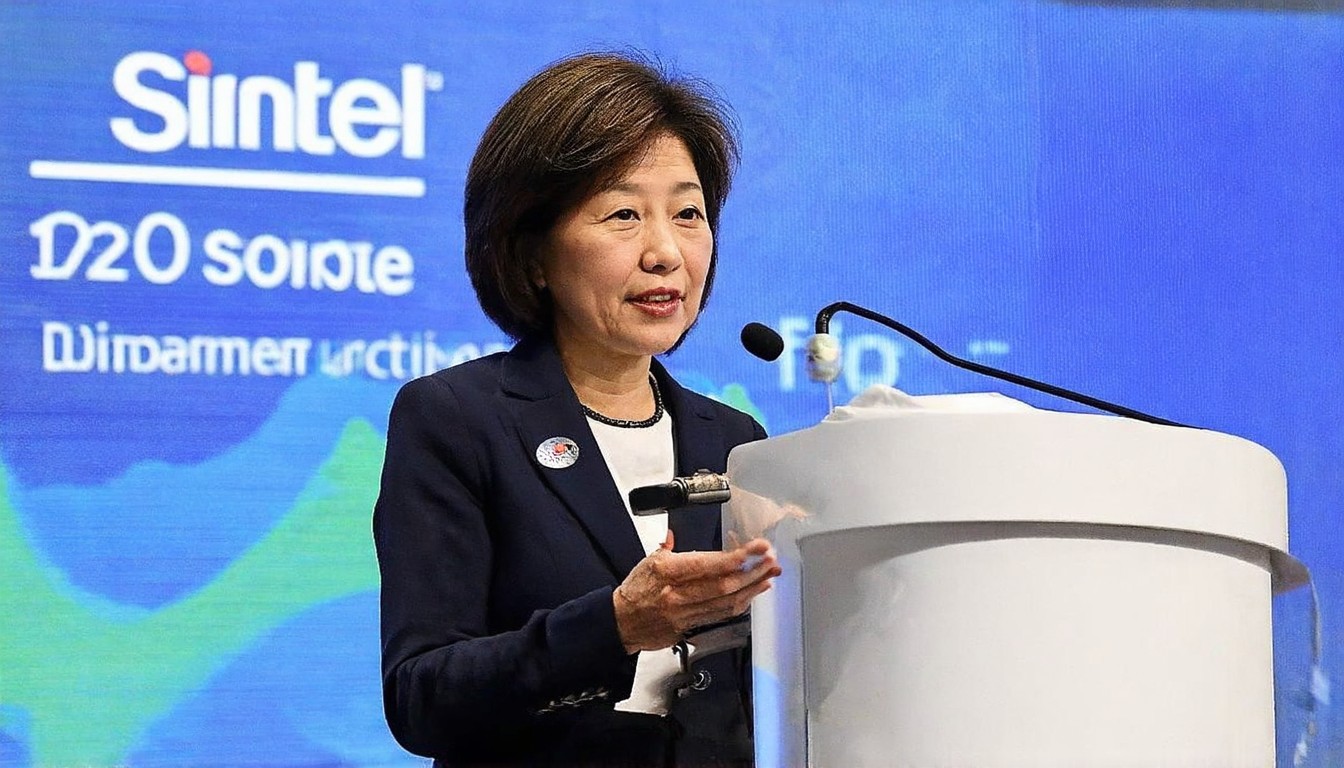
The Japanese government is arranging summit talks with Iran, Prime Minister Sanae Takaichi said on Monday, with tensions mounting in the Middle East as US President Donald Trump’s deadline for Iran to open the Strait of Hormuz approaches. “We are preparing dialogues at the leadership level at an appropriate time,” Takaichi told a parliamentary committee when asked by an opposition lawmaker about Japan’s diplomatic efforts regarding the US-Israeli war with Iran. “Japan will make every effort...
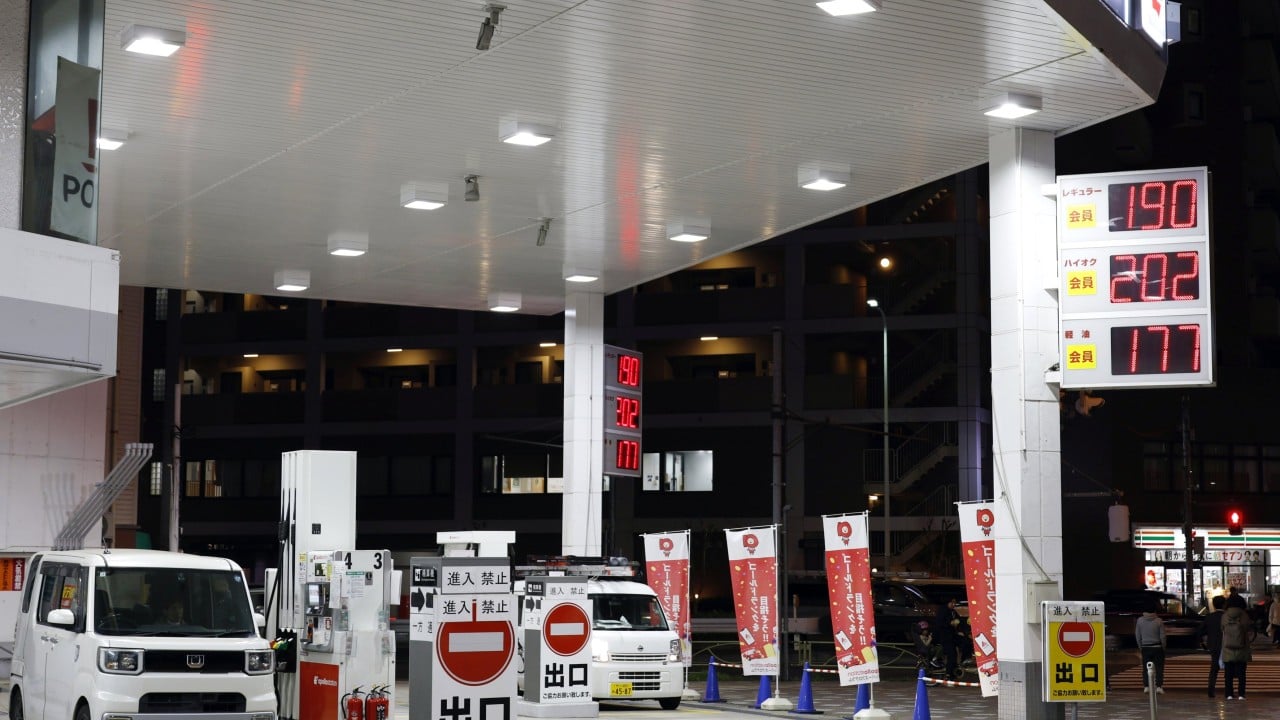
Japan’s Prime Minister Sanae Takaichi has announced plans for an urgent summit with Iran as tensions in the Middle East intensify ahead of President Donald Trump’s looming deadline for Iran to open the Strait of Hormuz. The announcement came during a parliamentary committee meeting on Monday, where Takaichi addressed questions from opposition lawmakers about Japan’s diplomatic stance amid the escalating US-Israeli-Iran conflict.
Takaichi emphasized that Japan is actively preparing for high-level dialogue with Iran to facilitate communication and de-escalate the situation. “We are preparing dialogues at the leadership level at an appropriate time,” she stated, highlighting Japan’s commitment to diplomatic engagement in the region. The move comes as Trump has set a May 12 deadline for Iran to demonstrate it will not interfere with shipping in the Strait of Hormuz, a critical chokepoint for global oil supplies.
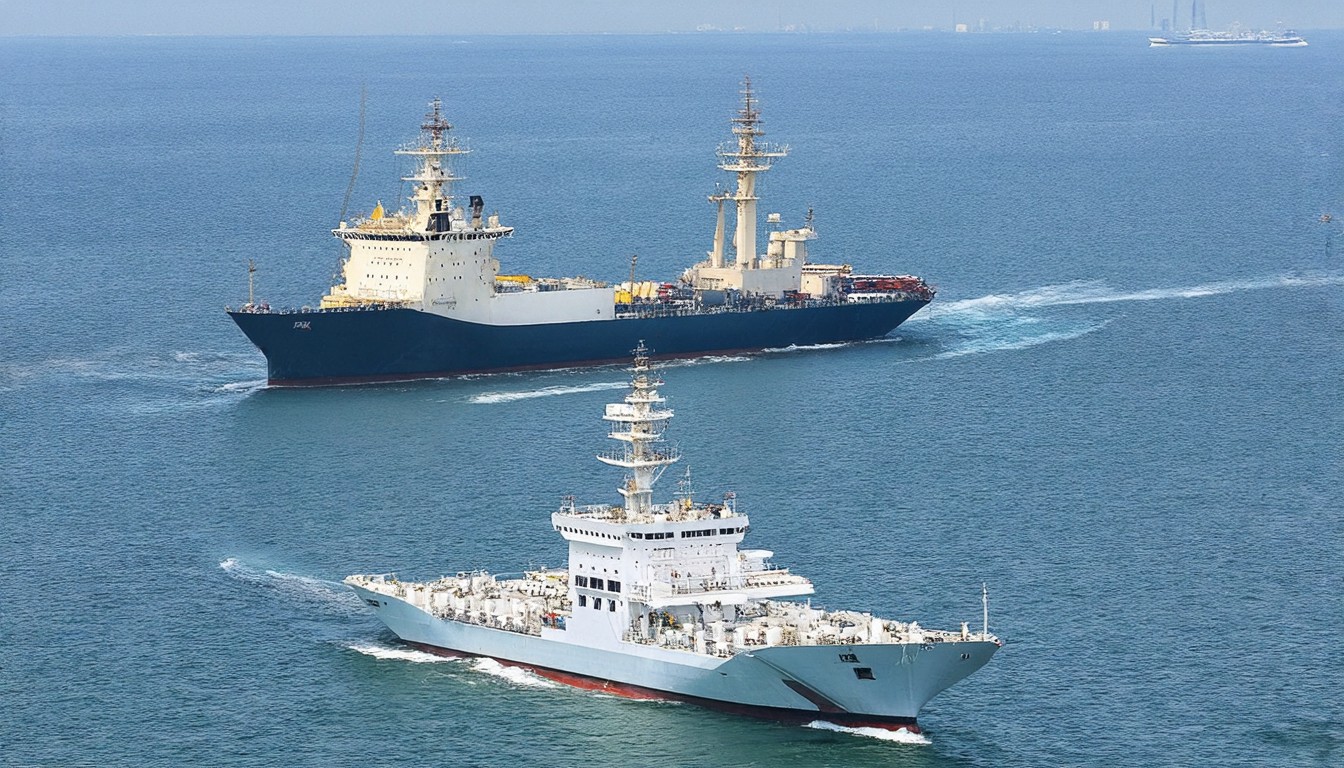
The Strait of Hormuz, located between the Persian Gulf and the Gulf of Oman, is a vital maritime route through which approximately 30% of global oil production passes. Its closure or disruption could lead to significant price hikes and geopolitical instability. As tensions rise, Japan, a major oil importer, is keen to play a role in mediating the crisis to ensure regional stability and secure its energy supply.
Japan’s decision to engage directly with Iran follows a series of high-profile incidents in the region, including the May 13, 2019, attack on two oil tankers in the Gulf of Oman, which the US and its allies accused Iran of orchestrating. While Iran denies involvement, the accusations have fueled speculation about a potential military confrontation.
Takaichi’s announcement comes as Japan’s foreign minister, Toshimitsu Motegi, has been actively involved in diplomatic efforts to ease tensions. Motegi met with Iranian Foreign Minister Mohammad Javad Zarif in Paris in April, where they discussed ways to de-escalate the situation and maintain regional stability. The meeting was seen as a positive step towards diplomatic engagement, although no concrete agreements were reached.
Japan’s bid for an urgent summit with Iran reflects its desire to act as a mediator in the crisis. The country has a vested interest in maintaining the status quo in the region, given its reliance on Middle Eastern oil and its historical ties to the area. Japan’s diplomatic efforts are also in line with its commitment to multilateralism and the United Nations-led approach to resolving conflicts.
However, the prospect of a summit between Japan and Iran faces challenges. The US has been critical of Japan’s diplomatic outreach to Iran, viewing it as an attempt to bypass US-led efforts to isolate Tehran. Additionally, Iran’s willingness to engage in dialogue with Japan, a non-nuclear state, may be limited, given its existing relationships with other regional and global powers.
Despite these challenges, Japan remains optimistic about the potential for diplomatic engagement. Takaichi’s statement underscores the government’s determination to play an active role in the crisis, emphasizing that Japan will “make every effort” to ensure peace and stability in the region.
As the deadline for Iran to open the Strait of Hormuz approaches, the international community is closely watching Japan’s diplomatic efforts. The upcoming summit between Japan and Iran could serve as a critical opportunity for dialogue and de-escalation, potentially averting a full-blown conflict in the Middle East. However, the success of these efforts will depend on the willingness of all parties to engage in meaningful dialogue and find a mutually acceptable solution.
In the meantime, Japan’s diplomatic initiatives highlight the complexities of the US-Iran standoff and the need for a multifaceted approach to resolving the crisis. With tensions running high and the potential for significant geopolitical consequences, the upcoming summit between Japan and Iran will be closely monitored by the international community, offering a glimmer of hope for a peaceful resolution.