Japan confirms release of second citizen held in Iran
Iran has freed a Japanese national held since January, Tokyo said on Tuesday, with Kyodo News reporting, however, that the individual is not allowed to leave the Islamic Republic. The Japanese news agency also reported, citing unnamed sources within the government in Tokyo, that the person is believed to be the Tehran bureau chief of broadcaster NHK. “The Japanese embassy in Iran has confirmed that a Japanese national who was detained by Iranian authorities on January 20 was released on April 6...
Japan has announced the release of a second citizen held in Iran, marking a development in the ongoing tensions between the two countries. The news came to light on Tuesday, when the Japanese government confirmed that a national detained since January 20th had been freed on April 6th. However, Kyodo News, a prominent Japanese news agency, reported that the individual is not permitted to leave Iran, raising questions about the true nature of their release.
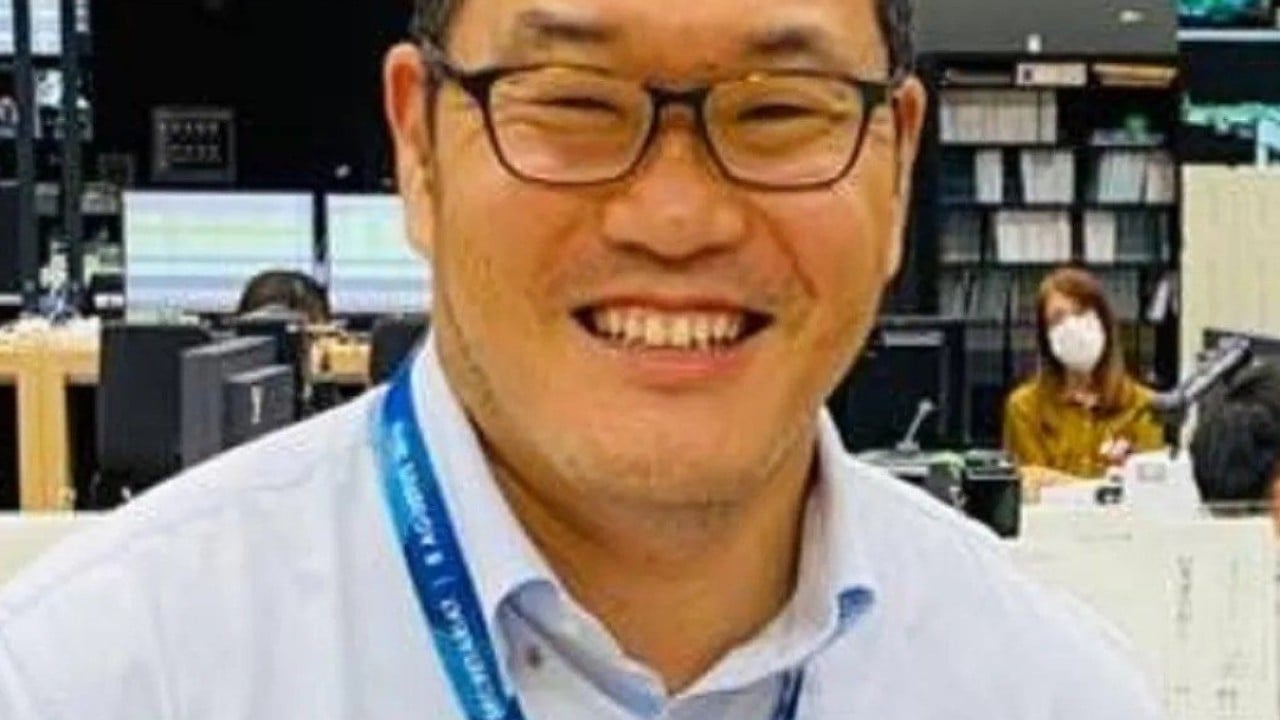
The detained Japanese national is believed to be the Tehran bureau chief of NHK, a major broadcaster in Japan. This identity has been reported by Kyodo News, citing anonymous sources within the Japanese government. The Japanese embassy in Iran has officially confirmed the release, but has not disclosed further details about the individual's status or the circumstances surrounding their detention and release.
This development follows the release of a first Japanese citizen held in Iran earlier this year. The two incidents highlight the complex relationship between Japan and Iran, which has been strained due to various geopolitical factors and historical events. Japan, a key ally of the United States, has been cautious in its dealings with Iran, particularly in light of ongoing disputes over nuclear issues and human rights concerns.
The detention of the NHK bureau chief in January sparked international attention and raised concerns about press freedom in Iran. The country is known for its restrictive media policies, and foreign journalists often face challenges in operating within its borders. The detention of the Japanese journalist was seen as part of a broader pattern of Iran's crackdown on foreign media outlets and their local correspondents.
The Japanese government's announcement of the release came after months of diplomatic efforts and negotiations. It is unclear whether the release was part of a broader agreement or a one-off decision by Iranian authorities. The fact that the individual is not allowed to leave Iran suggests that there may be ongoing restrictions or conditions attached to their release.
The situation has prompted questions about the future of Japan-Iran relations. While the release of the detained citizen is a positive development, the restrictions on their freedom to leave Iran indicate that tensions may persist. Japan will likely continue to monitor the situation closely and engage in diplomatic dialogue with Iran to address the underlying issues.
In the meantime, the case of the NHK bureau chief serves as a reminder of the challenges faced by journalists in Iran. The detention and subsequent release, albeit under restrictive conditions, highlight the need for continued vigilance and advocacy for press freedom in regions where such freedoms are often curtailed.
As Japan and Iran navigate their complex relationship, the release of the second citizen held in Iran underscores the delicate balance of diplomacy and geopolitics at play. While the immediate outcome may be seen as a step towards normalization, the broader context of their relationship and the ongoing restrictions on the journalist's freedom suggest that much remains to be resolved.