Japan axe coach Nils Nielsen 12 days after winning Women’s Asian Cup for ‘lacking passion’
Japan abruptly axed Nils Nielsen as coach on Thursday just 12 days after taking them to Women’s Asian Cup glory, with football chiefs accusing him of being “lax” and “lacking passion”. Greenlander Nielsen led a rampant Japan to their third Asian title in four tournaments, beating hosts Australia 1-0 in the final in Sydney on March 21. The 54-year-old had been in the job since December 2024 and was the first foreign-born coach of the Japan women’s team. The Japan Football Association (JFA) said...
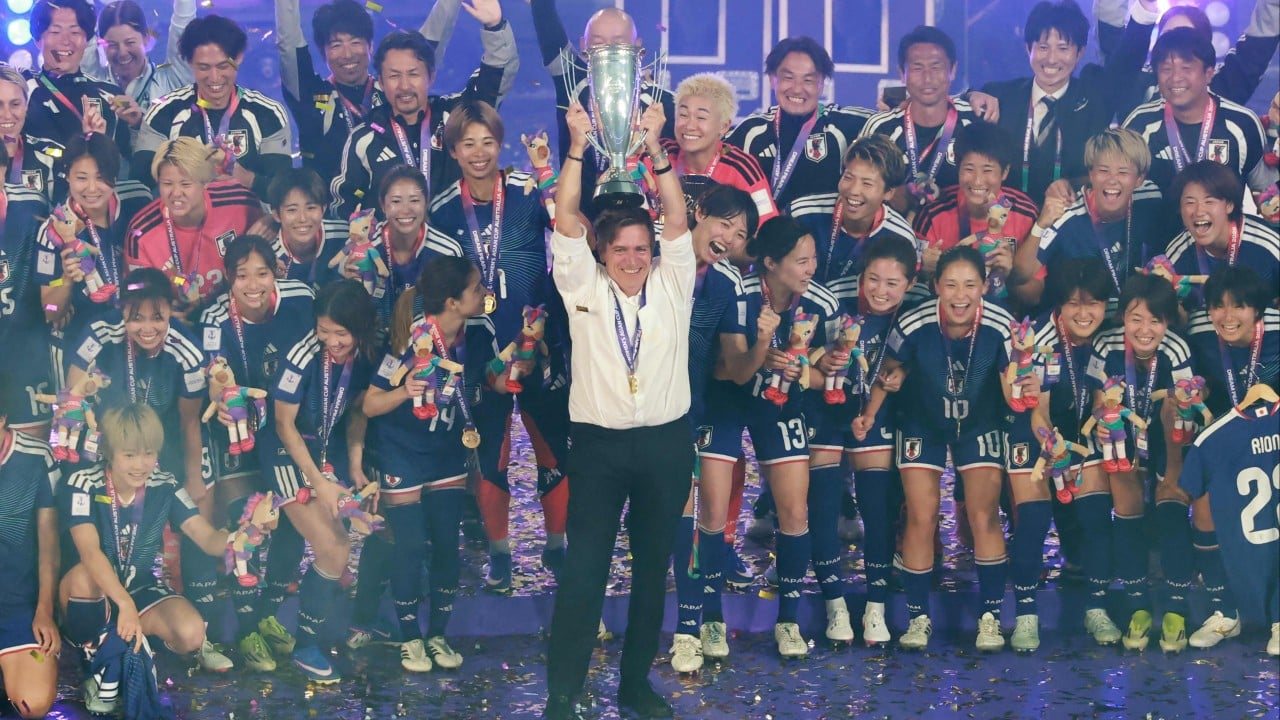
Japan has stunned the football world by sacking Nils Nielsen just 12 days after he guided the women's team to victory in the Women's Asian Cup. The abrupt decision comes as the Japanese Football Association (JFA) accuses the Greenlander coach of being "lax" and "lacking passion." Nielsen, who had been in the role since December 2024, became the first foreign-born coach of the Japan women's team and delivered a historic third Asian title in four tournaments, defeating Australia 1-0 in the final on March 21.
The sudden termination of Nielsen's contract has left fans and analysts questioning the motives behind the JFA's decision. Despite the recent success, the association's statement highlighted concerns about the team's performance and dedication, suggesting that Nielsen's leadership did not align with the expected standards. This move comes as a shock, given the high expectations surrounding the team after their recent triumph.
Nielsen's tenure began in December 2024, and he quickly made an impact, leading Japan to a dominant display in the Women's Asian Cup. The team's victory over Australia in the final was a testament to Nielsen's tactical acumen and ability to build a cohesive squad. However, the JFA's decision to part ways with him so soon after this achievement raises questions about the organization's priorities and long-term vision.
The JFA's accusations of Nielsen being "lax" and "lacking passion" have been met with skepticism from some quarters. Critics argue that the association's timing is questionable, as the team had just achieved significant success under his guidance. They suggest that the decision could be a misjudgment of Nielsen's contributions and may have a negative impact on team morale and future performance.
Nielsen's dismissal also raises questions about the stability of the Japan women's team. With a new coach appointed just weeks before a major tournament, the team may struggle to maintain the momentum they built under Nielsen's leadership. The abrupt change could disrupt the chemistry and trust that had been established within the squad, potentially affecting their performance in upcoming matches.
The decision to axe Nielsen has also sparked discussions about the expectations placed on foreign coaches in international football. While Nielsen's success in the Women's Asian Cup is undeniable, the JFA's decision to dismiss him so soon after this achievement raises concerns about the treatment of foreign talent in the sport. It is unclear whether this move signals a broader trend or is an isolated incident.
In the aftermath of Nielsen's dismissal, the Japan women's team and the JFA face an uncertain future. The abrupt change in coaching staff will undoubtedly have repercussions, and the team will need to adapt quickly to maintain their recent success. As the football world watches, it remains to be seen whether the JFA's decision will ultimately pay off or prove to be a costly misstep.
Nielsen, for his part, will likely be left to ponder the rapid turn of events. His tenure as Japan's coach was marked by both triumph and controversy, and his legacy will be shaped by the JFA's abrupt decision. The Greenlander coach's dismissal serves as a stark reminder of the volatile nature of the football world, where success can be fleeting, and the demands of the game can sometimes overshadow the achievements of even the most talented individuals.
As the dust settles on Nielsen's departure, the focus will shift to finding a new coach and rebuilding the team's momentum. The challenge ahead is to ensure that Japan's women's team can continue to compete at the highest level, despite the recent upheaval. The JFA will need to tread carefully, balancing the need for stability with the desire to maintain the team's competitive edge.
In the end, Nielsen's dismissal is a cautionary tale about the delicate balance between performance and perception in the world of football. While the JFA may have had their reasons for parting ways with the Greenlander coach, the timing and circumstances surrounding the decision have left many questioning the wisdom of the move. Only time will tell whether this abrupt change will ultimately prove to be a necessary step or a costly misjudgment.