
Jamie Dimon warns private credit losses will be larger than feared
JPMorgan chief raises alarm on weakening lending standards in annual shareholder letter
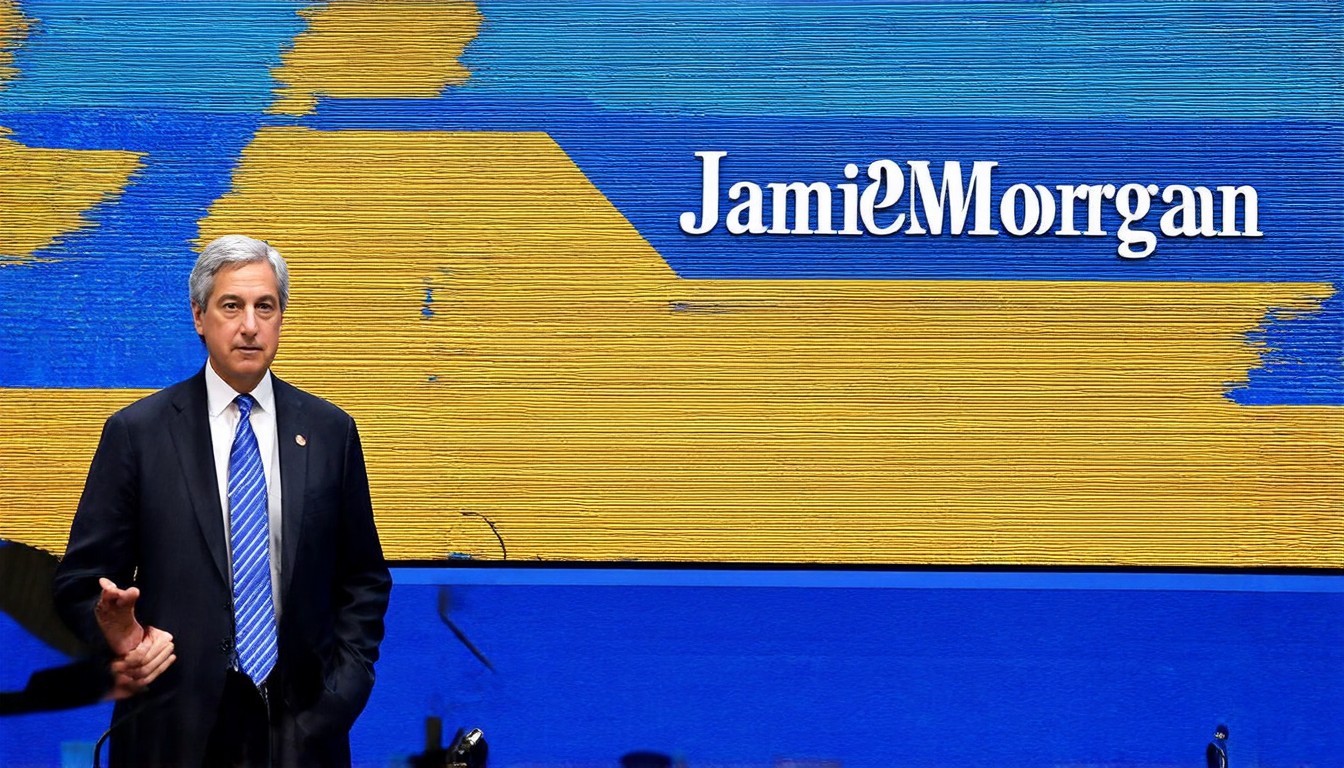
JPMorgan Chase CEO Jamie Dimon has issued a stark warning in his annual shareholder letter, suggesting that losses from private credit could be significantly larger than previously anticipated. Dimon's comments come as a stark reminder of the potential risks facing the financial sector amid a backdrop of weakening lending standards and economic uncertainty.
In the letter, Dimon highlighted the challenges posed by the current economic environment, particularly the strain on lending standards. He emphasized that the bank's conservative approach to credit has been crucial in mitigating these risks. However, he also cautioned that the broader industry may not be as well-prepared, potentially leading to larger losses than initially thought.
The warning comes at a time when the financial sector is grappling with a range of challenges, including inflation, interest rate hikes, and economic slowdowns. These factors have put significant pressure on borrowers and lenders alike, with many institutions tightening their lending criteria to manage risk. Despite this, Dimon's concerns suggest that the situation may be more precarious than many believe.
JPMorgan's conservative credit policy, which has been a hallmark of Dimon's leadership, has allowed the bank to maintain a strong position. By focusing on high-quality borrowers and maintaining robust capital reserves, the bank has been able to navigate the economic turbulence with relative stability. However, Dimon's letter underscores the importance of vigilance, as the broader private credit market may not be as resilient.
The potential for larger losses in private credit could have far-reaching implications for the financial sector. Private credit, which includes loans to businesses and individuals, is a critical component of economic growth. If losses in this area were to materialize on a larger scale, it could exacerbate financial instability and slow economic recovery.
Dimon's warning is not without context. In recent years, the financial sector has faced increased scrutiny over its lending practices, particularly following the 2008 financial crisis. Since then, regulators have implemented stricter rules to ensure that banks maintain adequate capital and manage risks more effectively. However, the current economic environment, marked by rapid interest rate changes and shifting market conditions, has posed new challenges.
Despite these challenges, Dimon's letter also reflects a cautiously optimistic outlook. He acknowledged that the bank's strategies have been effective in managing risks and maintaining stability. Moreover, he highlighted JPMorgan's commitment to supporting clients and driving economic growth, even in challenging times.
In the broader context, Dimon's warning serves as a call for increased vigilance among financial institutions. As the economy navigates uncertain waters, the need for prudent lending standards and robust risk management cannot be overstated. The potential for larger losses in private credit underscores the importance of maintaining a cautious approach while still supporting economic activity.
In conclusion, Jamie Dimon's warning in his annual shareholder letter serves as a stark reminder of the potential risks facing the private credit market. While JPMorgan's conservative approach has allowed it to weather economic storms, the broader industry may face larger losses than initially anticipated. As the financial sector continues to navigate economic challenges, Dimon's message underscores the necessity of vigilance and prudent risk management to safeguard stability and support economic growth.








