Jamie Dimon warns high taxes could push people out of New York — but Wall Street isn't leaving yet
Dimon warned taxes could push companies and employees out of the state, though demand for NYC office space rose in the first quarter of the year.
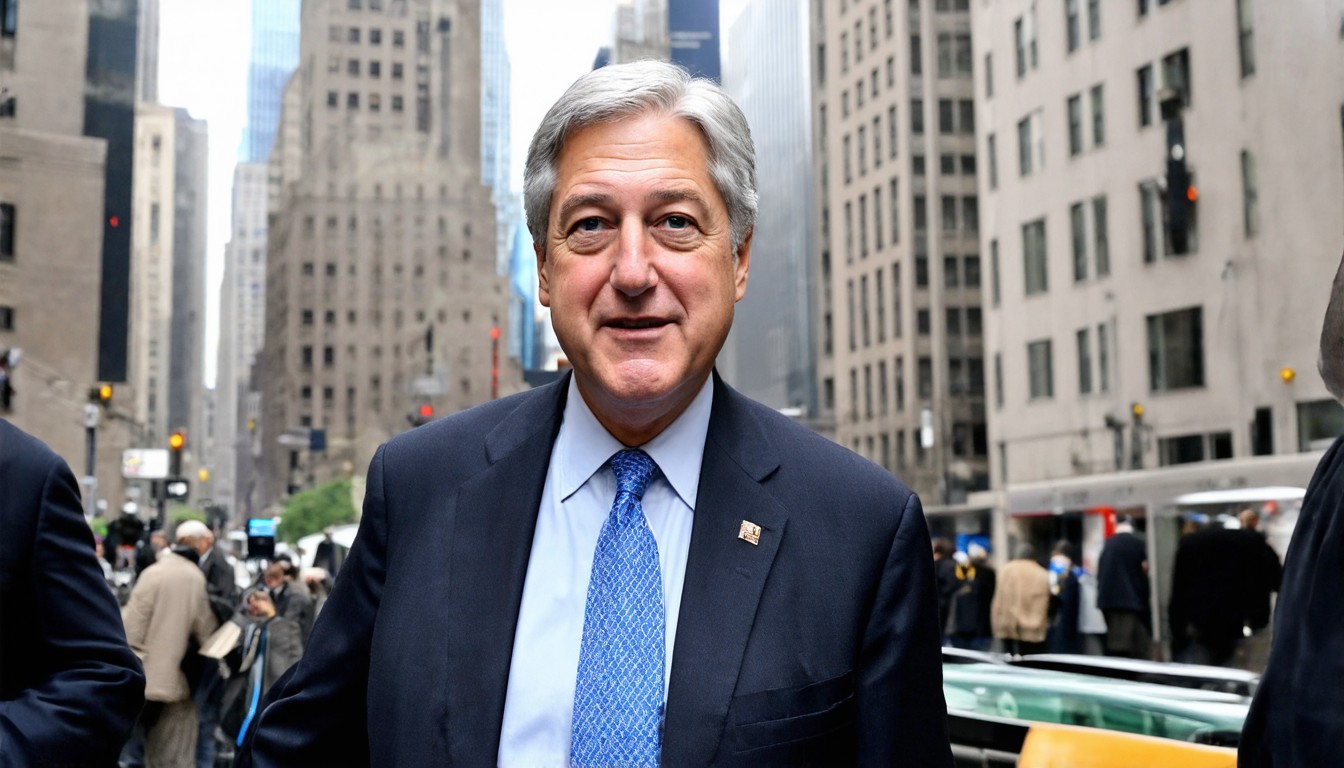
JPMorgan CEO Jamie Dimon has warned that high taxes could push companies and individuals out of New York City, but so far, the city's office space demand has remained strong. In his annual letter to shareholders, Dimon highlighted the challenges posed by high corporate and individual income taxes, which he believes could deter some businesses from staying in the city. Despite these concerns, the first quarter of 2026 has seen a rise in demand for NYC office space, indicating that the exodus Dimon warns about has not yet materialized.
Dimon's comments come as New York City Mayor Zohran Mamdani advocates for increasing taxes on the wealthy and corporations to address the city's $5.4 billion budget deficit. The CEO of JPMorgan, which is constructing a new $3 billion Manhattan headquarters, acknowledges that New York City has many advantages, but the high tax burden could lead some individuals and businesses to seek alternatives. Dimon notes that wealthy individuals are already leaving states with high taxes and expensive living costs, a trend that could potentially extend to New York.
The issue of high taxes is not unique to New York City. In California, a proposed wealth tax has faced criticism from lawmakers and business leaders, prompting some high-profile figures, such as Google co-founders Sergey Brin and Larry Page, to move entities linked to them out of the state ahead of a related deadline. Dimon's warning about the impact of taxes on businesses aligns with these broader discussions about the role of taxation in attracting and retaining economic activity.
Despite Dimon's concerns, the commercial real estate market in Manhattan has shown resilience in the face of high taxes. According to commercial real estate firm JLL, companies continue to sign leases for high-quality office spaces in the city, and vacancies have decreased by 2.2% compared to the previous year. The demand for office space is being driven in part by AI companies, which are expanding their presence in Manhattan.
While Dimon's warnings about the potential for businesses and individuals to leave New York City due to high taxes are not yet reflected in the office market, they highlight the delicate balance between taxation and economic competitiveness. As cities grapple with budget constraints and the need to fund public services, the question of how to balance taxation with the needs of businesses and individuals remains a critical one. For now, the strength of New York City's office market suggests that the city remains an attractive destination for companies, despite the challenges posed by high taxes. However, as the debate over taxation policies continues, the long-term implications for cities like New York City could become more pronounced.