Jamie Dimon says Iran war makes Middle East peace prospects better in the long term
JPMorgan Chase CEO Jamie Dimon issued an optimistic viewpoint on Middle East peace, weeks into the war with Iran.
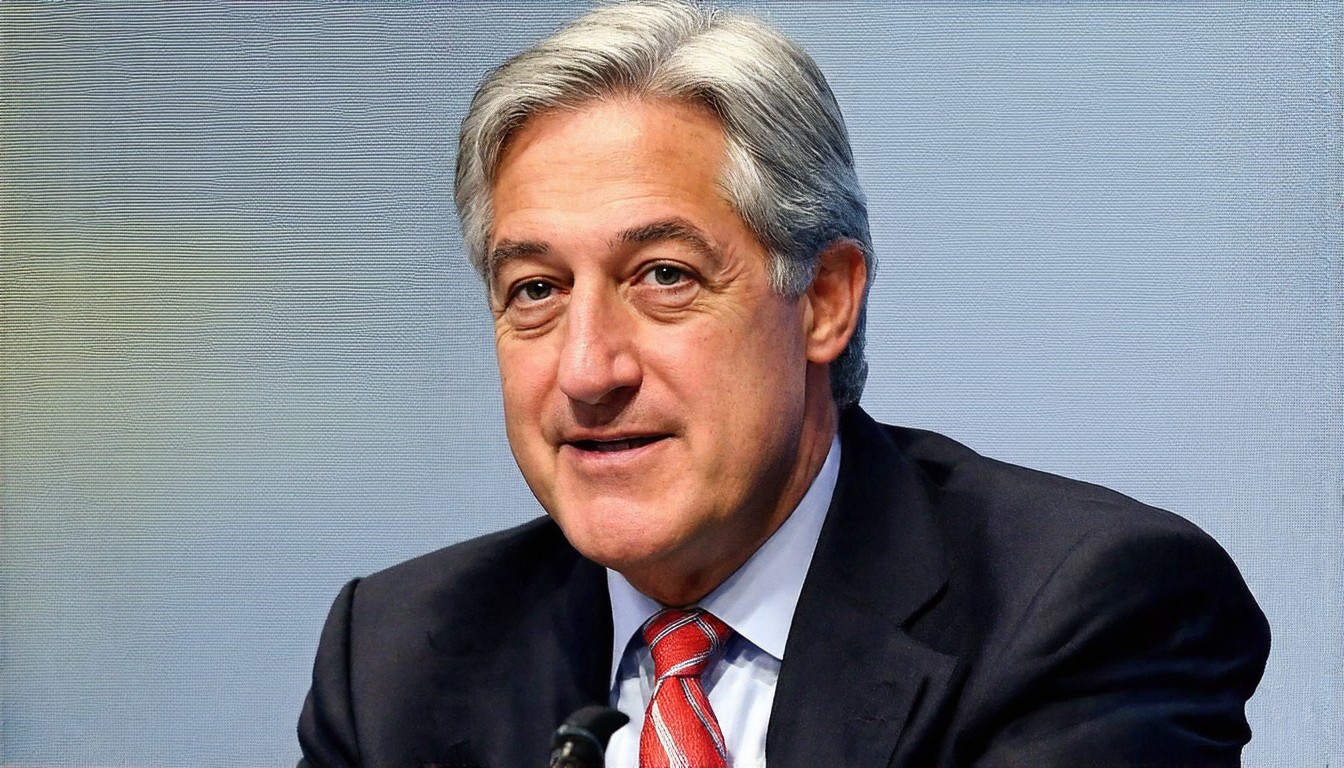
JPMorgan Chase CEO Jamie Dimon has recently expressed an optimistic outlook on the prospects of Middle East peace, despite the ongoing conflict with Iran. In a recent interview, Dimon suggested that the war could potentially lead to a more stable region in the long term. This viewpoint comes as a surprise to many, given the current volatile situation in the area.
Dimon's comments were made weeks into the war, a time when tensions are high and the immediate future appears uncertain. However, the CEO argued that such conflicts can sometimes serve as catalysts for change. He posited that the current situation might force the involved parties to reevaluate their strategies and seek more sustainable solutions. Dimon's optimism stems from the belief that the war could lead to a reconfiguration of power dynamics in the region, potentially paving the way for peace.
The CEO's perspective is not without precedent. Historically, conflicts have sometimes led to periods of stability after the dust has settled. For instance, the end of the Cold War resulted in a relative calm in Europe, despite the initial turmoil. Dimon's analogy to this historical context suggests that the Middle East could follow a similar trajectory.
However, critics argue that the current situation is far more complex than historical parallels might suggest. The Middle East has long been a hotbed of conflict, with deep-seated issues that have persisted for decades. The addition of a war with Iran complicates matters further, as it involves multiple regional powers and global interests.
Despite these concerns, Dimon remains confident. He points to the fact that the war has already brought about some unintended consequences. For example, it has forced certain countries to reconsider their alliances and prioritize their security interests. This could lead to a realignment of forces, potentially reducing the likelihood of further conflicts.
Moreover, Dimon believes that the war has the potential to highlight the need for diplomatic solutions. As the conflict drags on, the involved parties may be forced to seek peaceful resolutions to avoid further escalation. This could lead to increased cooperation and dialogue among regional leaders, which are essential for lasting peace.
However, the path to peace is not without challenges. The region's history of unresolved conflicts and deep-seated tensions makes the prospect of lasting peace a daunting task. Additionally, the involvement of global powers complicates the situation further, as their interests and strategies can influence the outcome.
Despite these challenges, Dimon's optimism is rooted in his belief in the adaptability of the region's leaders. He suggests that the current conflict could serve as a wake-up call, prompting them to seek more effective and sustainable solutions. This could involve a greater emphasis on diplomacy, cooperation, and mutual understanding.
In conclusion, Jamie Dimon's optimistic view on the Middle East peace prospects, despite the ongoing war with Iran, is a nuanced perspective. While critics argue that the situation is too complex to predict, Dimon points to historical precedents and potential unintended consequences of the conflict. His belief in the adaptability of regional leaders and the need for diplomatic solutions offers a different perspective on the region's future. Only time will tell if his optimism is well-founded, but his comments highlight the complex interplay of conflict and peace in the Middle East.