Jaishankar protests US Navy strikes killing Indian mariners
External Affairs Minister S. Jaishankar spoke with US Secretary of State Marco Rubio on Friday, conveying India’s strong protest over US Navy strikes in the Gulf that killed three Indian mariners.
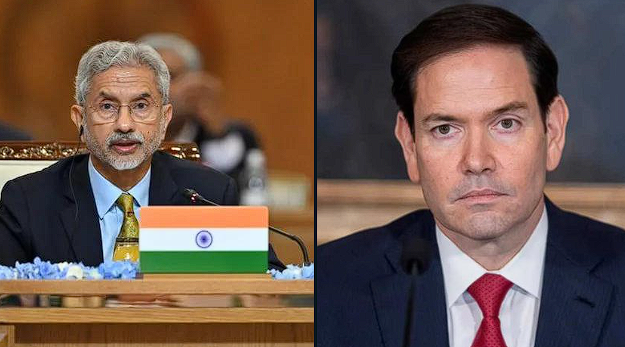
NEW DELHI — External Affairs Minister S. Jaishankar spoke with US Secretary of State Marco Rubio on Friday and conveyed India’s strong protest over US Navy strikes in the Gulf that killed three Indian mariners. The call marks a rare public diplomatic confrontation between the two strategic partners, with Jaishankar directly raising the issue of civilian deaths during a US military operation. The incident threatens to strain ties between New Delhi and Washington at a time when both nations are deepening security cooperation in the Indo-Pacific.
Jaishankar confirmed the conversation in a statement, saying he “reiterated India’s strong protest at the attacks by the US Navy in the Gulf” that resulted in the deaths of the three Indian nationals. The minister did not specify the exact date or location of the strikes, nor the names of the victims. The US Navy has conducted multiple operations in the Gulf region in recent months, targeting what it describes as threats to commercial shipping and regional stability.
However, the killing of Indian civilians has prompted an unusually sharp response from New Delhi. India’s protest signals a shift in tone from the government of Prime Minister Narendra Modi, which has generally maintained close ties with the United States. The incident places the Biden administration in a delicate position, as it seeks to balance its military objectives with the diplomatic sensitivities of a key ally. The three mariners were reportedly working on a commercial vessel when the strikes occurred.
The exact circumstances of the attack remain unclear, and the US Navy has not yet issued a formal statement regarding the incident. Jaishankar’s direct appeal to Rubio underscores the seriousness with which India views the loss of life. The foreign minister is known for his pragmatic approach to diplomacy, and his decision to publicly disclose the protest suggests that New Delhi expects accountability. The Gulf region has been a flashpoint for maritime security incidents, with several navies operating in close proximity.
The US Navy has been involved in a series of engagements aimed at deterring attacks on commercial shipping, but such operations carry the risk of collateral damage. India has historically maintained a cautious stance on military interventions in the Gulf, given the large Indian diaspora working in the region. The deaths of the three mariners have reignited domestic concerns about the safety of Indian nationals abroad. The conversation between Jaishankar and Rubio is expected to be followed by further diplomatic exchanges.
Both sides will likely seek to de-escalate the situation while addressing the underlying issues that led to the tragedy. For now, the incident serves as a reminder of the human cost of military operations, even when conducted by friendly nations. India’s strong protest has put the United States on notice that civilian casualties will not be overlooked in the pursuit of strategic goals.