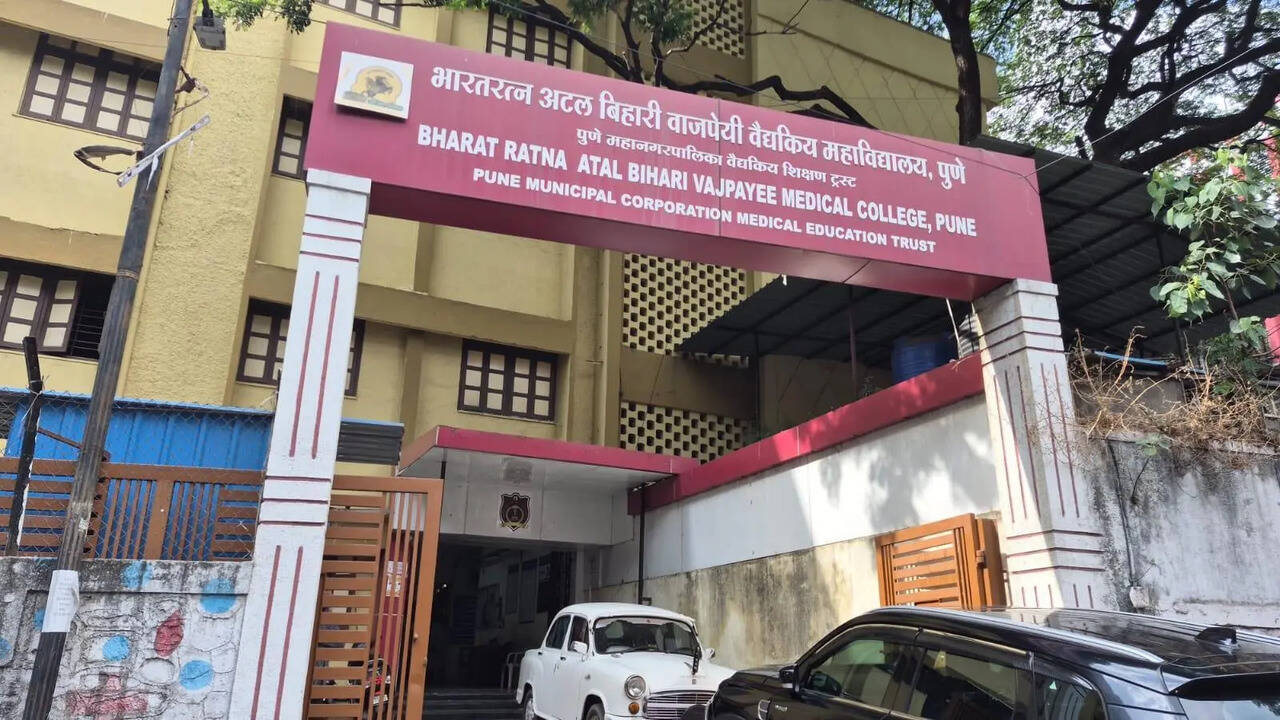
Jailed Maoist leader Prashant Bose, also known as ‘Kishan Da’, dies in Ranchi
Bose was mastermind of more than 100 incidents of attack and arson in several states, including Jharkhand, Bihar, West Bengal, Odisha among others
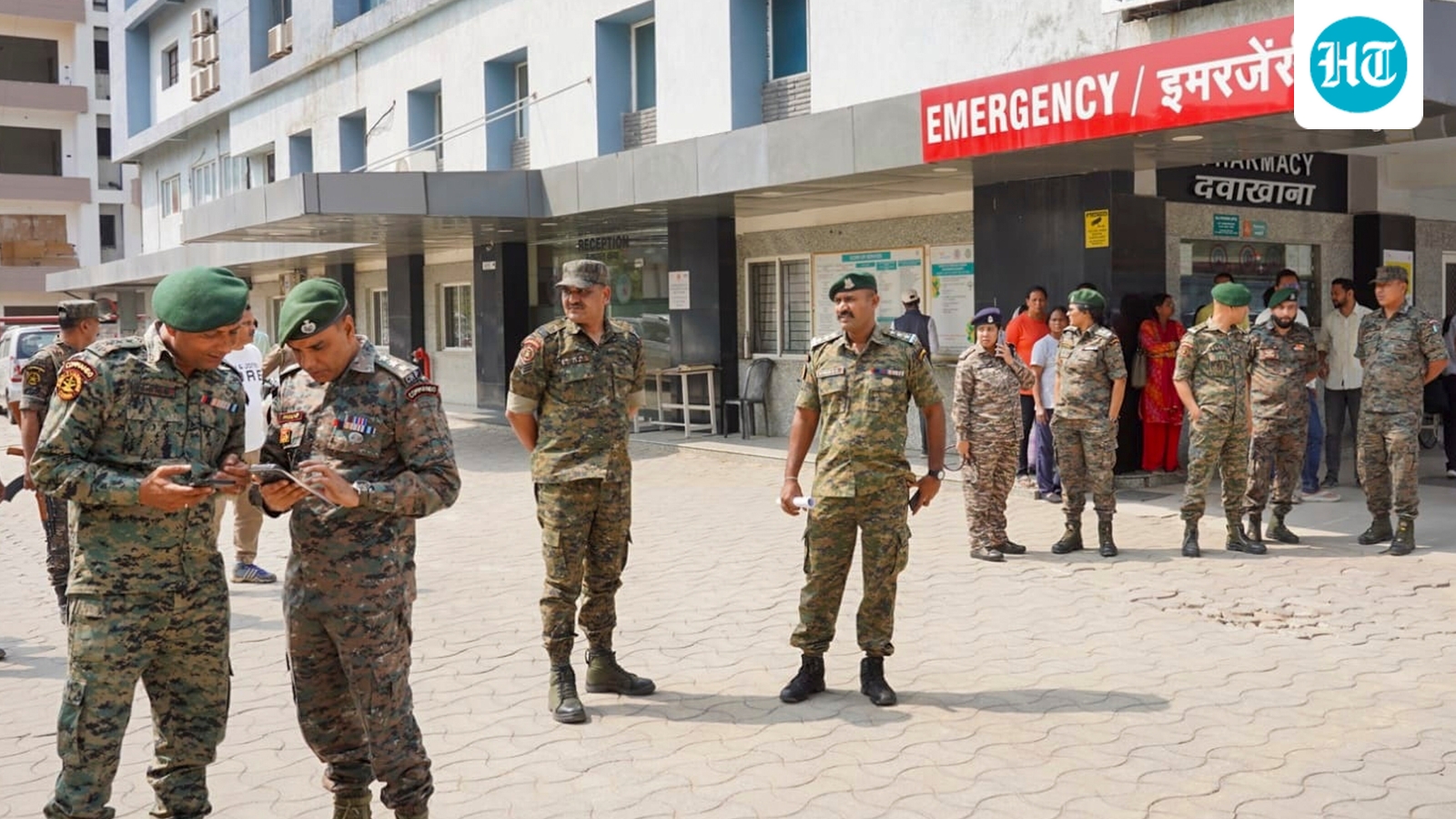
In a shocking turn of events, Maoist leader Prashant Bose, also known as ‘Kishan Da’, was found dead in his cell at the Central Jail in Ranchi, Jharkhand. The death of Bose, who was one of the most wanted figures in India's Maoist movement, has sent ripples through the underworld and the nation's security apparatus. Bose was known for his involvement in orchestrating over 100 incidents of attack and arson across several states, including Jharkhand, Bihar, West Bengal, and Odisha.
Bose's demise has raised questions about the future of the Maoist movement in India, which has been on the decline for several years due to relentless efforts by the Indian security forces. However, the death of a key leader like Bose could potentially disrupt the organization's operations and trigger a power struggle among its remaining members.
Prashant Bose, born in 1970 in a rural village in Jharkhand, was a self-proclaimed Marxist revolutionary who joined the Maoist movement in the early 2000s. He quickly rose through the ranks due to his strategic acumen and ruthless tactics. Bose was known for his ability to plan and execute attacks with precision, often targeting government officials, security personnel, and infrastructure.
The Indian government had placed a bounty of ₹5 lakh (approximately US$6,500) on Bose's head, offering a significant reward for information leading to his capture. In 2018, Bose was arrested in a joint operation by the Jharkhand Police and the Central Bureau of Investigation (CBI) in the state of Odisha. He was subsequently extradited to Jharkhand, where he was charged with multiple counts of murder, arson, and other criminal activities.
During his time in custody, Bose remained defiant, refusing to cooperate with authorities or provide any information about his accomplices. He was held in isolation to prevent him from communicating with other Maoist leaders or planning any further operations.
Bose's death has been officially attributed to a heart attack, though rumors have circulated about possible foul play. The Indian government has vowed to conduct a thorough investigation into Bose's death to ensure transparency and prevent any speculation about the circumstances surrounding it.
The death of Bose is a significant blow to the Maoist movement, which has been struggling to regain its former strength in recent years. The Indian security forces have been successful in dismantling many of the Maoist strongholds and apprehending key leaders, leading to a decline in the number of violent incidents attributed to the group.
However, the Maoist movement is far from extinct. There are still pockets of resistance in regions such as Jharkhand, Chhattisgarh, and Odisha, where the movement has deep-rooted support among local populations. The death of Bose may disrupt the organization's operations temporarily, but it is unclear whether it will lead to a long-term weakening of the Maoist movement.
The Indian government has expressed concern over the potential impact of Bose's death on the security situation in the affected states. Authorities are on high alert, monitoring the situation closely to prevent any retaliatory attacks or power struggles within the Maoist ranks.
Bose's death also serves as a reminder of the challenges faced by the Indian security forces in combating the Maoist insurgency. Despite significant progress in recent years, the threat of Maoist violence still looms large in certain regions, particularly in areas with high levels of poverty and unemployment.
In the aftermath of Bose's death, the Indian government is expected to intensify its efforts to dismantle the remaining Maoist infrastructure and apprehend any remaining key leaders. The focus will also be on providing alternative livelihoods and development opportunities to the local populations in affected areas, in an attempt to reduce the appeal of the Maoist ideology.
The death of Prashant Bose, or ‘Kishan Da’, marks the end of an era for the Maoist movement in India. As the organization grapples with the loss of one of its most influential leaders, the future of the movement remains uncertain. The Indian security forces, however, are determined to continue their relentless pursuit of peace and stability in the troubled regions of the country.
In conclusion, the death of Maoist leader Prashant Bose in Ranchi's Central Jail has sent shockwaves through the underworld and the nation's security apparatus. Bose's demise is a significant blow to the Maoist movement, which has been on the decline for several years due to the Indian government's determined efforts to dismantle the organization. As the Maoist movement navigates the aftermath of Bose's death, the Indian security forces remain vigilant, ready to confront any challenges that may arise. The future of the Maoist insurgency in India remains uncertain, but one thing is clear: the Indian government is committed to ensuring peace and stability in the troubled regions of the country.