IUML, UDF face heat over non-Muslim Waqf Board nominations
The IUML and UDF are under pressure after nominating non-Muslim members to the Kerala Waqf Board, triggering legal challenges and communal sensitivities ahead of local elections.
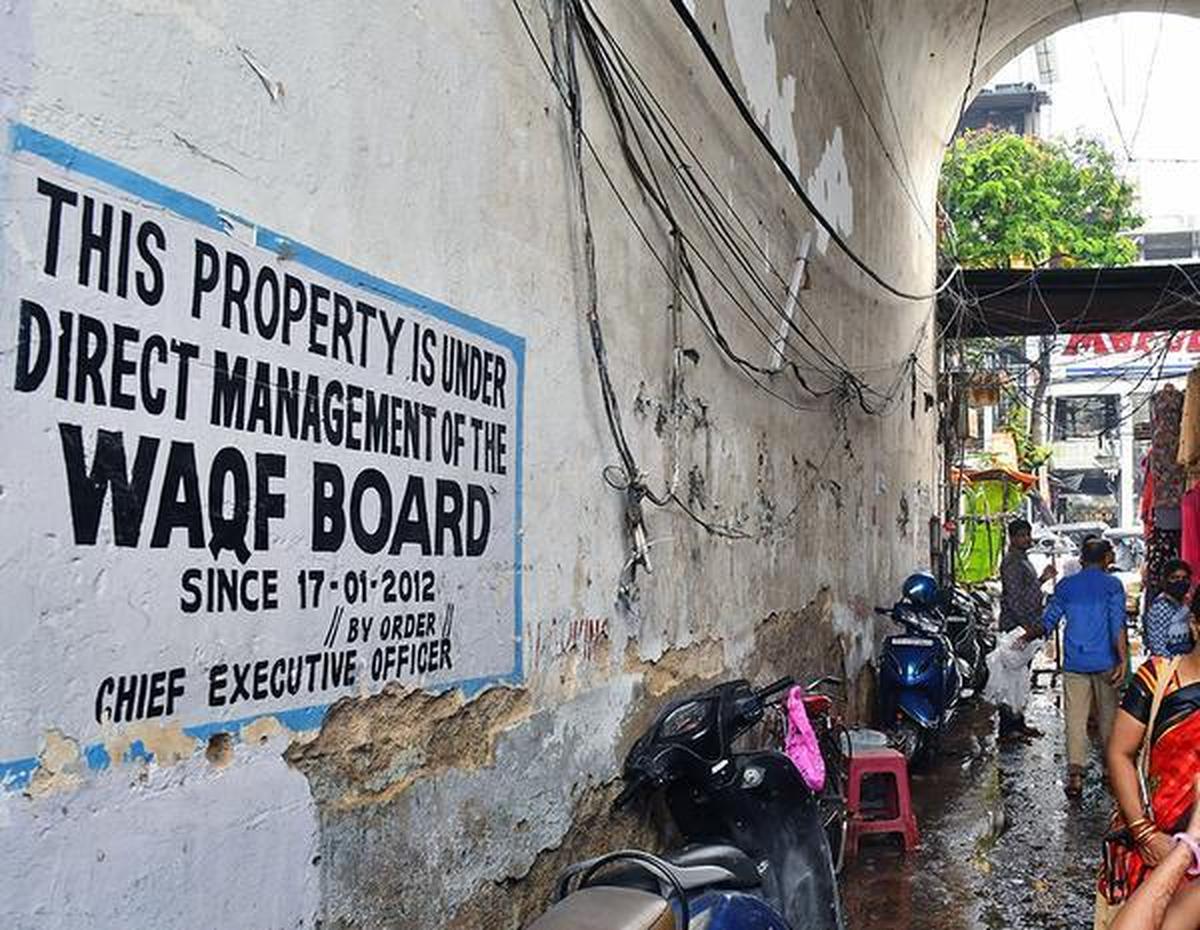
The Indian Union Muslim League (IUML) and its United Democratic Front (UDF) allies find themselves in a politically precarious position over the nomination of non-Muslim members to the Kerala Waqf Board, a move that has triggered legal challenges and inflamed communal sensitivities ahead of crucial local body elections. The decision to include non-Muslims in the statutory body that manages waqf properties has opened a fresh fault line within the UDF coalition, with the IUML facing pressure from both its conservative base and its secular partners.
The nominations, made by the state government, have been challenged in court, with petitioners arguing that the Waqf Act does not permit non-Muslim representation on the board. Kerala's Waqf Board oversees thousands of properties endowed for religious or charitable purposes under Islamic law. Traditionally, its membership has been drawn exclusively from the Muslim community, reflecting the religious character of the institution. The inclusion of non-Muslims marks a departure from precedent and has been interpreted by some as an attempt to secularise the board's composition.
The IUML, which has long championed Muslim interests in Kerala politics, is now caught between defending the nominations as a gesture of inclusivity and placating its core supporters who view the move as an erosion of religious autonomy. The party's leadership has so far offered cautious support for the nominations, but internal dissent is simmering. Opposition parties, particularly the Bharatiya Janata Party (BJP) and some Muslim organisations, have seized on the issue to accuse the IUML of compromising on community interests for political expediency.
The BJP has framed the nominations as evidence of the UDF's disregard for religious sentiments, while some Muslim groups have warned of a backlash at the ballot box. The legal challenge adds another layer of complexity. The petitioners contend that the Waqf Act, a central legislation, does not provide for non-Muslim members on state waqf boards. If the court rules against the nominations, it could force the government to reconstitute the board, further embarrassing the IUML and the UDF.
For the UDF, the controversy threatens to unravel the delicate communal arithmetic that underpins its electoral strategy. The coalition relies on a broad alliance of Muslim, Christian, and secular voters, and any perception that the IUML is being marginalised or that minority rights are being diluted could alienate key constituencies. The timing is particularly sensitive. With local body elections on the horizon, the IUML cannot afford to appear weak on issues of Muslim identity, yet it also cannot afford to alienate its coalition partners by appearing sectarian.
The party's handling of the Waqf Board nominations will be closely watched as a test of its political dexterity. Analysts note that the controversy reflects deeper tensions within Kerala's political landscape, where secularism and religious identity often collide. The IUML's dilemma is emblematic of the challenges faced by Muslim political parties in India as they navigate the demands of coalition politics and community expectations. As the legal process unfolds and political rhetoric intensifies, the IUML and the UDF are left searching for a way out of a sticky wicket that shows no signs of easing.
The outcome will have implications not only for the Waqf Board but also for the broader political dynamics in Kerala.