
Israeli embrace pitches Somaliland into regional maelstrom
Self-declared state in the Horn of Africa confronts an array of adversaries at an explosive moment
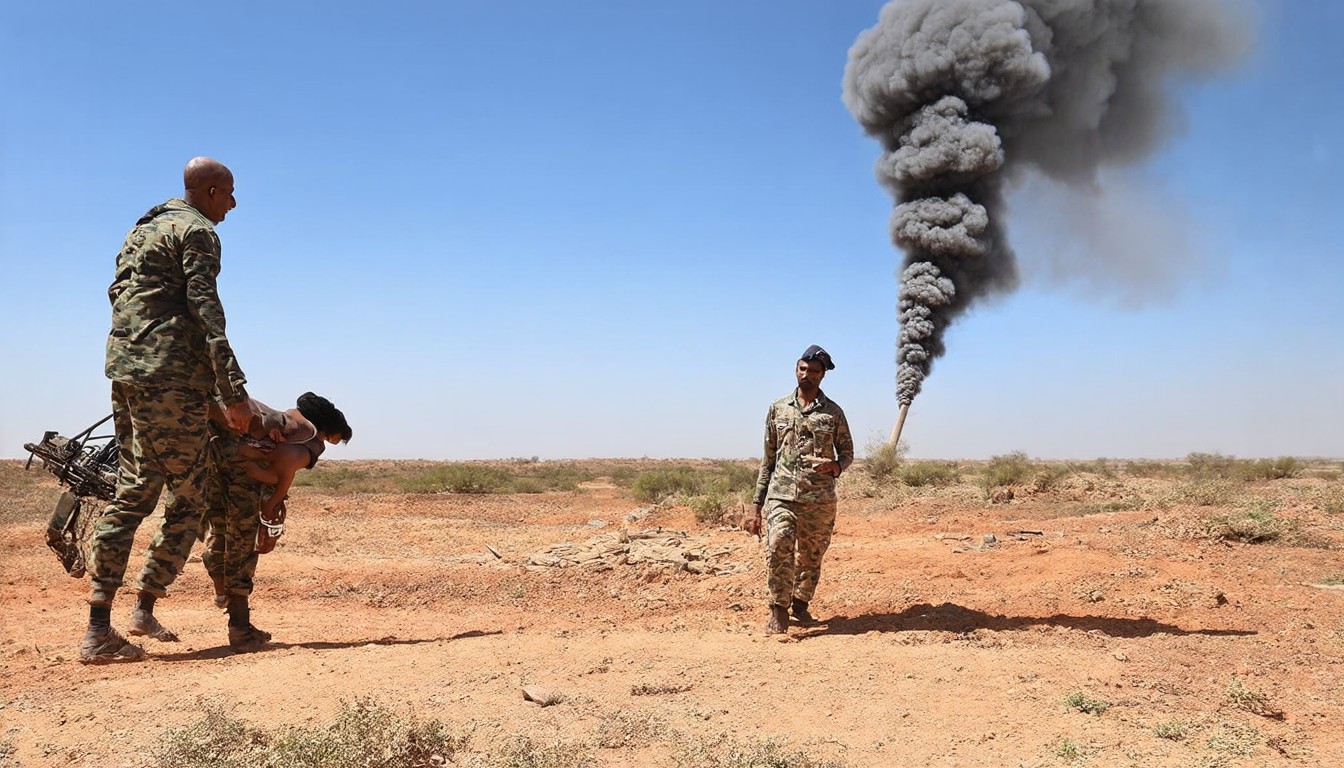
In the volatile Horn of Africa, the self-declared state of Somaliland finds itself at the center of a regional maelstrom, as it navigates a complex web of geopolitical challenges. The recent decision by Israel to embrace Somaliland's bid for international recognition has only intensified the tensions surrounding this fragile region.
Somaliland, which declared independence from Somalia in 1991, has long sought global legitimacy. However, its aspirations have been met with skepticism and resistance, particularly from its neighbors and the international community. The region's instability, marked by ongoing conflicts, piracy, and the presence of terrorist groups, has made it a hotspot for geopolitical rivalries.
Israel's support for Somaliland comes as a surprise to many observers. The move is seen as part of a broader strategy to strengthen its influence in the Horn of Africa, where it has been increasingly active in recent years. Israel has been accused of supporting Somaliland's security forces, providing training and equipment, which has raised concerns among Somalia and other regional actors.
This development has not gone unnoticed by Somalia, which still claims sovereignty over Somaliland. The Somali government has expressed its opposition to Israel's involvement, viewing it as a threat to its territorial integrity and a violation of its sovereignty. Tensions have escalated, with both sides accusing each other of meddling in their internal affairs.
Further complicating the situation is the involvement of other regional powers. Ethiopia, which has a long-standing border dispute with Somaliland, has been accused of supporting Somalia's military operations against the self-declared state. This has led to sporadic clashes along the contested border, with both sides accusing each other of aggression.
Meanwhile, Turkey, a key player in the region, has been cautiously observing the situation. Ankara has been balancing its interests in Somalia, where it has been providing military support, with its relations with Somaliland. Turkey's approach has been marked by pragmatism, as it seeks to maintain its influence without directly provoking the regional powers.
The situation in Somaliland is further complicated by the presence of external actors with varying agendas. China, which has been investing heavily in Somalia's infrastructure, has been accused of supporting the Somali government's efforts to reassert control over the disputed territory. This has led to concerns about the implications of Chinese involvement in the region's instability.
In addition to these geopolitical challenges, Somaliland is also grappling with internal issues. The self-declared state's political landscape is characterized by a fragile democracy, with frequent disputes among its political factions. This internal instability has been exploited by external actors, further exacerbating the region's tensions.
The recent Israeli embrace of Somaliland has thus thrown the region into a maelstrom of adversaries. With Somalia, Ethiopia, and other regional powers vying for influence, the future of Somaliland remains uncertain. The international community must navigate this complex situation carefully, as any misstep could have far-reaching consequences for the stability of the entire Horn of Africa.
As the situation unfolds, it is clear that the Horn of Africa is becoming an increasingly important battleground in the global power struggle. The actions of countries like Israel, China, and Turkey are shaping the region's trajectory, with profound implications for its people and its future. The challenges faced by Somaliland are not only a matter of regional significance but also a testament to the complexities of contemporary geopolitics.
In the coming months, it will be crucial for all stakeholders to engage in dialogue and seek peaceful resolutions to the region's conflicts. The international community must work towards fostering stability and promoting reconciliation, as the alternative risks further destabilizing an already volatile region. The future of Somaliland and the Horn of Africa hangs in the balance, and the actions taken now will have a lasting impact on the lives of millions of people.









