
Israeli army fire on WHO vehicle in southern Gaza kills one, medics report
WHO driver Majdi Aslan was killed and a WHO doctor wounded, along with several other Palestinians.
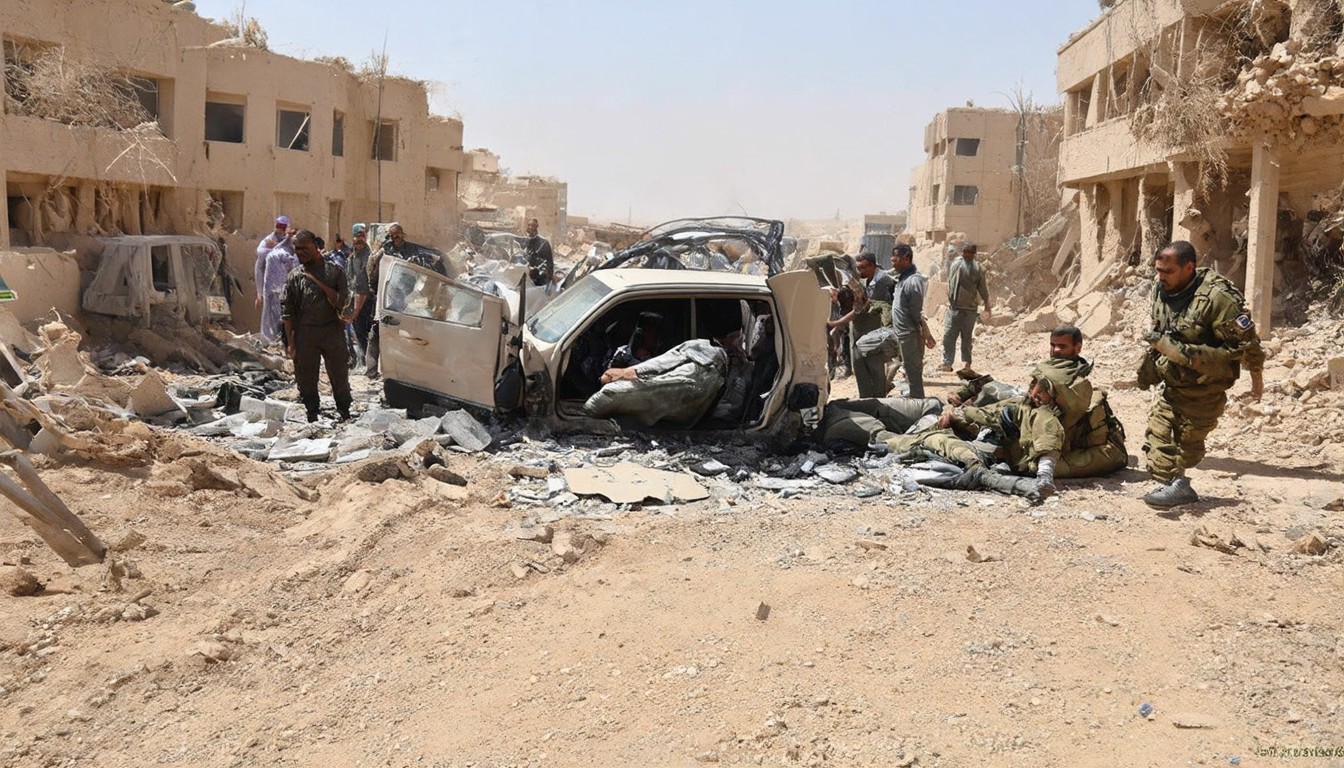
In a harrowing incident that has sparked international outrage, Israeli army forces fired on a vehicle belonging to the United Nations World Health Organization (WHO) in the southern Gaza Strip, resulting in the tragic death of WHO driver Majdi Aslan and the injury of a WHO doctor, along with several other Palestinians. The attack occurred in the early hours of the morning in the densely populated Rafah area, where tensions have been running high due to ongoing military operations.
The WHO vehicle, which was marked with clear identification of its affiliation, was traveling along a well-known route that is frequently used by humanitarian organizations to provide medical aid and support to the civilian population in Gaza. According to eyewitness accounts, the Israeli forces opened fire on the vehicle without warning, causing immediate damage and triggering panic among the passengers and nearby civilians.
Majdi Aslan, a seasoned driver with extensive experience in operating in conflict zones, was killed instantly by the gunfire. His death has left a profound impact on his family and colleagues, who mourn the loss of a dedicated professional who placed the well-being of others before his own safety. Aslan's wife and three children are now facing the daunting task of coping with the aftermath of this tragic event.
In addition to Aslan, a WHO doctor on board the vehicle was also injured, along with several other Palestinians who were traveling in the vicinity. The doctor, whose identity has not been disclosed due to security concerns, was immediately evacuated to a nearby medical facility for treatment. The extent of his injuries is still being assessed, but initial reports suggest that his condition is stable.
The attack has raised serious concerns about the safety of humanitarian workers and the ability of organizations like the WHO to carry out their critical missions in conflict zones. The United Nations has condemned the incident, calling it a clear violation of international humanitarian law and a direct threat to the lives of those who are dedicated to saving lives and providing essential services.
The Israeli military has yet to provide an official statement regarding the incident, but there have been unofficial reports suggesting that the forces may have mistaken the WHO vehicle for a hostile target. However, this explanation has been met with skepticism by humanitarian organizations and international observers, who point out that the vehicle was clearly marked and should have been easily identifiable.
The Palestinian Health Ministry has reported that several other Palestinians were injured in the crossfire, highlighting the broader humanitarian crisis that continues to unfold in Gaza. The situation on the ground is increasingly precarious, with civilians trapped in the crossfire and vulnerable to further violence.
The international community is urging all parties to exercise restraint and ensure the protection of humanitarian workers, who play a crucial role in delivering aid and support to those in need. The WHO has called for an immediate investigation into the incident and a renewed commitment to safeguarding the lives of its personnel and partners.
As the world bears witness to this latest act of violence, the need for a comprehensive and sustainable peace solution in the region becomes more pressing than ever. The tragic death of Majdi Aslan serves as a stark reminder of the human cost of prolonged conflict and the urgent need for dialogue and diplomacy to find a path forward.
In the aftermath of this harrowing event, the global community must come together to support the efforts of humanitarian organizations and ensure that they are able to continue their vital work without fear for their safety. The international community must also hold those responsible for such attacks accountable, in order to prevent further tragedies from occurring and to uphold the principles of humanitarian law.
The world is watching, and the time for action is now. The lives of countless innocent civilians depend on the ability of the international community to respond with compassion, courage, and determination to the ongoing crisis in Gaza.








