Israeli Army Chief: No Ceasefire in Lebanon Amid US-Iran Talks
Israeli Army Chief of Staff Eyal Zamir has asserted that no effective ceasefire is currently in place in Lebanon, a statement made amidst ongoing US-Iran discussions and continuous diplomatic efforts by US President Donald Trump to address regional dynamics.
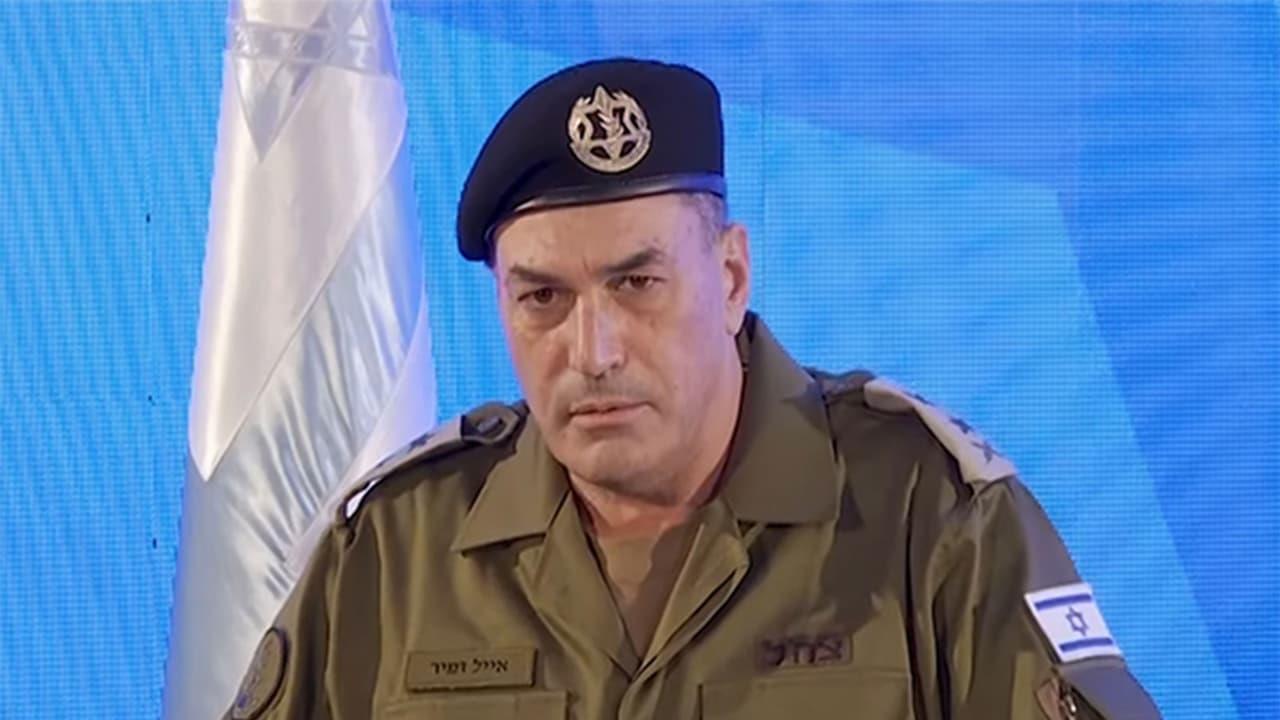
In a significant declaration underscoring the persistent geopolitical complexities of the Middle East, Israeli Army Chief of Staff Eyal Zamir has reportedly asserted that there is effectively no ceasefire in Lebanon. This statement, emanating from a high-ranking military official, casts a stark light on the ongoing security situation along Israel's northern border and within the broader Levant region. The pronouncement comes at a particularly sensitive juncture, coinciding with reports of ongoing discussions between the United States and Iran, and amidst continuous diplomatic efforts spearheaded by US President Donald Trump, presumably aimed at de-escalating tensions and fostering stability across the volatile region.
Chief of Staff Zamir's assertion carries considerable weight, signaling that despite any implicit understandings or periods of relative calm, the Israeli military views the situation with Lebanon as one of active, albeit perhaps undeclared, operational readiness. Such a declaration from a military chief typically reflects a strategic assessment of the ground reality, indicating that the potential for conflict or engagement remains a tangible concern. It suggests that the Israeli defence establishment maintains a vigilant posture, prepared to respond to perceived threats, and does not consider the current state of affairs to be one of formal cessation of hostilities. This perspective is crucial for understanding the operational doctrines and strategic planning within the Israeli armed forces concerning its northern frontier.
Lebanon, a nation with a deeply complex political landscape and a history frequently intertwined with regional conflicts, often finds itself at the epicentre of broader Middle Eastern dynamics. Its internal fragilities, coupled with the presence of various armed factions and external influences, make it a perennial focal point for international concern. The declaration of "no ceasefire" by a neighbouring military chief inevitably heightens anxieties about potential escalations, irrespective of specific immediate triggers. The delicate balance of power and the intricate web of alliances and rivalries within Lebanon itself contribute to an environment where such statements are received with considerable gravity.
The backdrop of US-Iran talks adds another layer of complexity to Chief of Staff Zamir's statement. Relations between the United States and Iran have long been characterized by significant tension, punctuated by periods of intense diplomatic engagement. Any discussions between these two influential global and regional powers are closely watched by all actors in the Middle East, as their outcomes can profoundly reshape regional alliances and security paradigms. While the specifics of these reported US-Iran talks remain largely undisclosed, their mere existence suggests a concerted effort to navigate a highly intricate diplomatic path, even as military assessments on the ground reflect persistent challenges.
Furthermore, the mention of continuous efforts by US President Donald Trump underscores the high-level international engagement dedicated to managing regional crises. Presidential involvement in such sensitive diplomatic endeavours typically signifies the strategic importance attributed to de-escalating potential flashpoints and fostering conditions for stability. These efforts, while not detailed in the available information, are understood to encompass a range of diplomatic initiatives and consultations. The challenge for such diplomatic overtures is often to reconcile the differing security perceptions and strategic objectives of the numerous parties involved, especially when military leaders articulate a continued state of alert.
The implications of a senior Israeli military official stating "no ceasefire" are far-reaching. It could be interpreted as a clear message to various actors operating in or from Lebanon, signalling Israel's unwavering commitment to its security interests and its readiness to act. Such a declaration might also serve to manage internal expectations within Israel regarding the ongoing security posture. For international observers, it reinforces the understanding that despite diplomatic efforts, the underlying tensions in the region remain acute and unresolved. The absence of a formal ceasefire implies that the rules of engagement, while perhaps not actively invoked, are nonetheless constantly in play, demanding perpetual vigilance from all parties.
Regional stability in the Middle East is a precarious commodity, constantly challenged by a confluence of historical grievances, ideological divides, and competing national interests. Statements like that from Chief of Staff Zamir highlight the fragile nature of peace and the ever-present potential for rapid shifts in the security landscape. The international community consistently advocates for de-escalation, dialogue, and adherence to international law to prevent conflicts from spiralling out of control. However, when a military leader asserts the absence of a ceasefire, it serves as a stark reminder that the path to lasting peace is fraught with obstacles and that military considerations often dictate the immediate reality on the ground, even as diplomatic channels remain open.
Moving forward, the international community, particularly those involved in the US-Iran talks and President Trump's continuous efforts, will likely need to factor in such military declarations into their diplomatic calculations. The explicit statement that "no ceasefire" exists in Lebanon suggests that any progress on broader regional de-escalation must contend with deeply entrenched security concerns and a prevailing sense of alert. It reinforces the need for robust and transparent communication channels to prevent miscalculation and unintended escalation, particularly in a region where historical precedents often dictate current responses. Ultimately, the declaration by Israeli Army Chief of Staff Eyal Zamir serves as a potent reminder of the enduring volatility in the Middle East. It underscores that even amidst high-level diplomatic engagements, the security situation on the ground remains complex and fraught with potential for friction.