
Israeli airstrike kills at least 10 near Gaza school as ceasefire strains
At least 10 people were killed when an Israeli airstrike hit near a school sheltering displaced Palestinians.
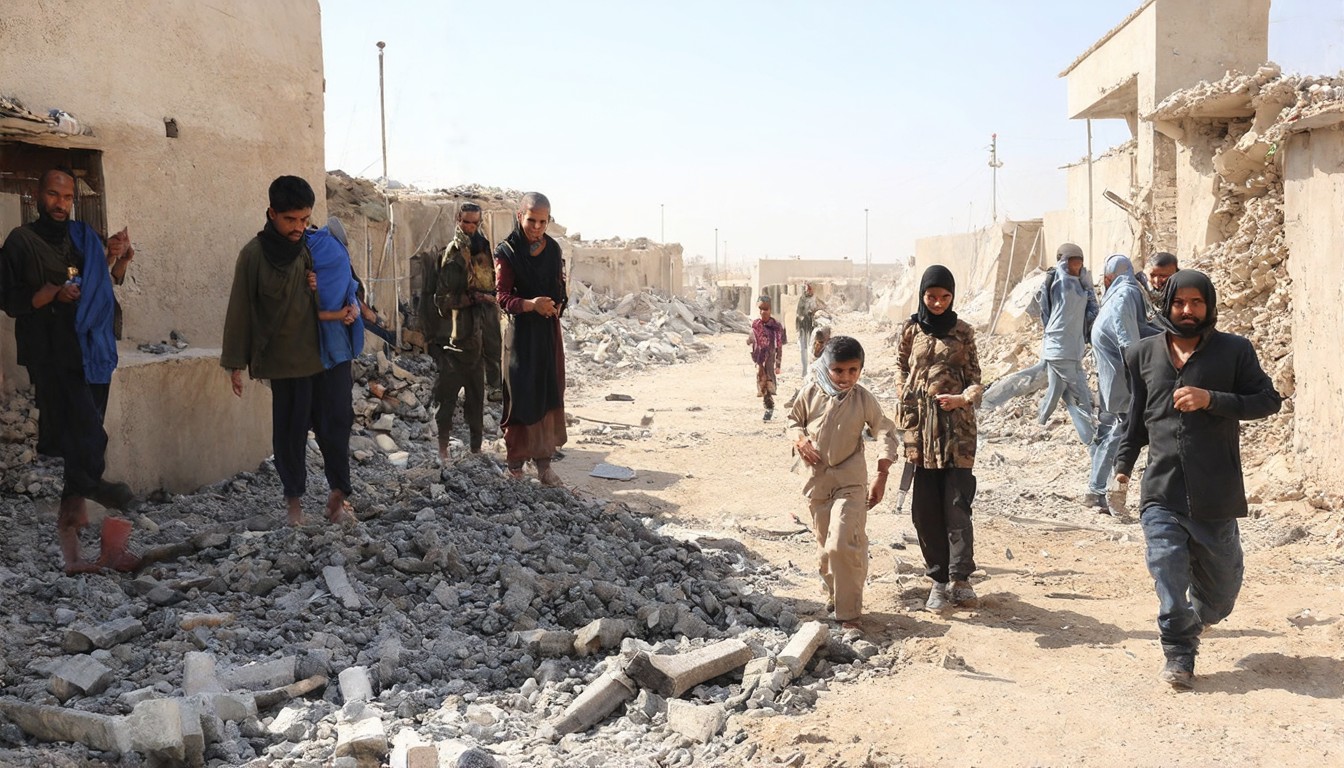
On the outskirts of Gaza, a harrowing incident unfolded as an Israeli airstrike struck near a school that had been converted into a shelter for displaced Palestinians. The attack, which occurred in the early hours of the morning, left at least 10 people dead and underscored the fragile state of the ceasefire agreement that has been strained by recent escalations in violence.
The school, located in the Shuja'iyya neighborhood, had become a makeshift refuge for families who had been forced to flee their homes due to ongoing clashes between Israeli forces and Palestinian militants. The airstrike, which targeted an area near the school, caused significant damage to nearby buildings and left the immediate vicinity in chaos. Rescue crews and medical teams rushed to the scene, working tirelessly to extract survivors from the rubble and provide aid to the injured.
Among the victims were both adults and children, many of whom were seeking refuge from the ongoing conflict. The identities of the deceased are still being confirmed, but initial reports suggest that the majority were civilians. This tragic incident has added to the mounting casualties in the region, which has already seen a significant increase in violence since the ceasefire was declared.
The ceasefire agreement, brokered by international mediators, was intended to provide a temporary respite from the relentless fighting that has plagued the area for months. However, both sides have accused each other of violating the terms of the agreement, leading to renewed hostilities and raising concerns about the long-term stability of the region.
Israeli officials have stated that their airstrikes are targeted at militants and infrastructure used by armed groups, but critics argue that the disproportionate impact on civilian populations undermines efforts to achieve a lasting peace. Palestinian groups, meanwhile, have accused Israel of continuing to attack civilian areas and settlements, further exacerbating the humanitarian crisis.
The international community is closely monitoring the situation, with calls for both sides to adhere to the ceasefire and engage in meaningful dialogue to address the root causes of the conflict. Humanitarian organizations are also working to provide aid to those affected by the violence, including those displaced by the airstrike near the Gaza school.
The incident near the school has reignited global concerns about the protection of civilians in conflict zones and the need for more robust measures to prevent such tragedies. As the ceasefire continues to teeter on the edge of collapse, the future of the region remains uncertain, with many families left to grapple with the devastating consequences of years of unresolved conflict.
In the aftermath of the airstrike, local and international activists have called for an independent investigation into the incident to determine whether the attack violated international humanitarian law. Such an inquiry could potentially lead to accountability for those responsible, but the path to justice in this volatile region is far from clear.
As the world bears witness to the ongoing struggle in Gaza, the need for a comprehensive and sustainable peace plan becomes more pressing than ever. The tragic loss of life near the school serves as a stark reminder of the human cost of prolonged conflict and the urgent need for diplomatic efforts to find a lasting resolution.









