
Israel renews Lebanon strikes, forces Syria border crossing closed
BEIRUT (LEBANON) - Israeli strikes in Lebanon on Sunday killed at least 15 people, a day after Israel threatened to hit Lebanon's main border crossing with Syria, forcing it to close.
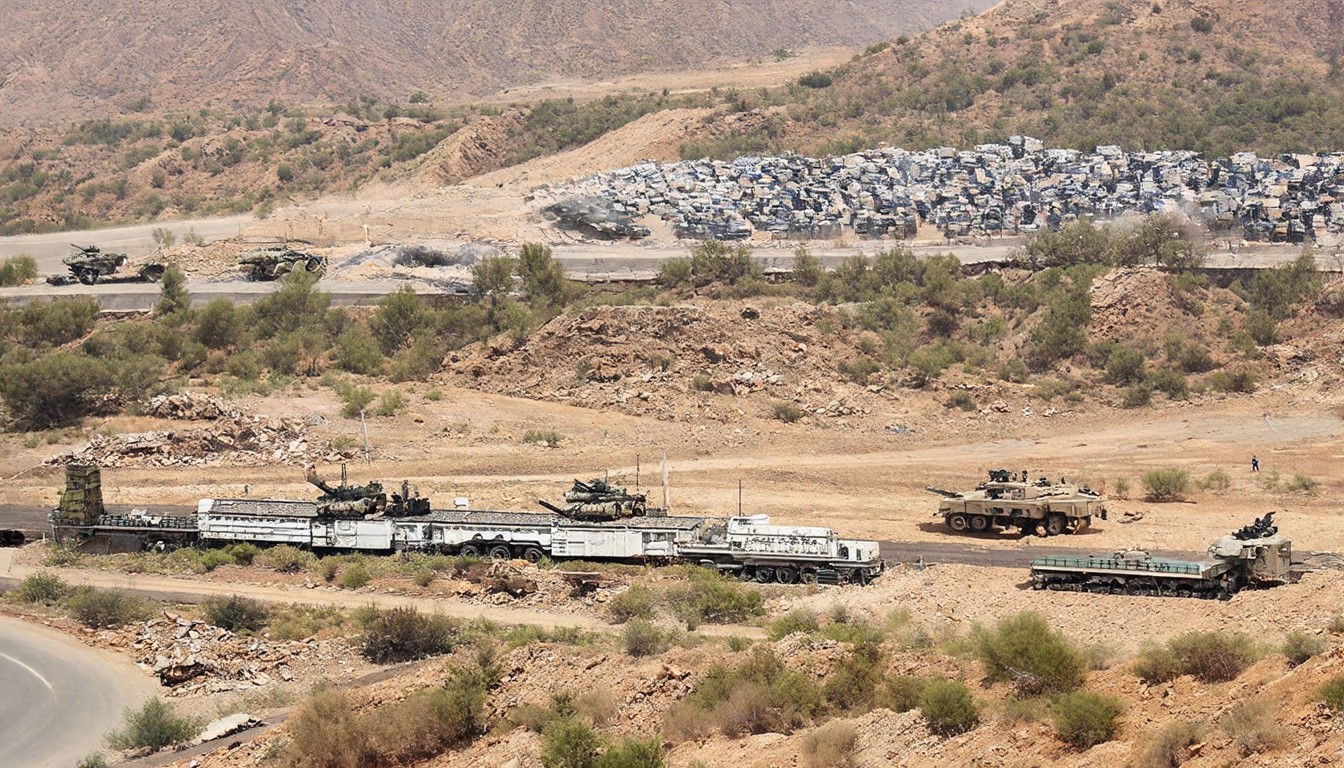
Israeli forces launched a series of airstrikes in Lebanon on Sunday, resulting in the deaths of at least 15 people. This escalation comes just a day after Israel issued a stark warning to Lebanon, threatening to strike its main border crossing with Syria. In response, Lebanon was forced to close the crossing, further complicating regional tensions and highlighting the ongoing instability in the area.
The airstrikes targeted areas near the border, with explosions reported in several villages. Lebanese officials confirmed that the casualties included both civilians and armed militants, though the exact nature of their involvement remains unclear. Residents in the affected areas described panic and chaos as they sought shelter from the relentless bombardment.
The situation has deepened since Saturday, when Israel announced its intention to strike the border crossing between Lebanon and Syria. This crossing, known as the Al-Qaryatayn border crossing, is a critical point for the movement of goods and people between the two countries. Its closure has disrupted trade and travel, causing significant hardship for those relying on it.
Lebanese authorities, already grappling with economic challenges and political instability, have been forced to adapt to this new threat. The decision to close the border crossing was made in an effort to avoid direct confrontation with Israel, but it has also raised concerns about the potential for further retaliation.
Israel's actions are seen as part of a broader strategy aimed at curbing the influence of Iran-backed groups in the region. The country has long accused Hezbollah, a Shia militant group with significant presence in Lebanon, of collaborating with Syrian President Bashar al-Assad's regime. By threatening the border crossing, Israel seeks to pressure Lebanon into taking a firmer stance against such groups.
The situation has also prompted international reactions. The United Nations has called for an immediate ceasefire, expressing concern over the humanitarian impact of the ongoing violence. Regional powers, including Saudi Arabia and Turkey, have weighed in as well, urging both sides to exercise restraint and engage in dialogue.
In Lebanon, there is a growing sense of frustration and anxiety among the population. Many citizens feel trapped between the conflicting interests of regional powers and the ongoing instability. The recent airstrikes have underscored the fragility of the region's security and the need for a comprehensive approach to address the root causes of the conflict.
As the situation continues to evolve, it remains uncertain how Lebanon will respond to Israel's threats. The closure of the border crossing with Syria could have far-reaching consequences, affecting not only the two countries but also the broader Middle East. The international community will closely monitor developments, hoping for a resolution that can prevent further escalation and protect the lives of innocent civilians.
In the meantime, the humanitarian crisis in Lebanon deepens, with many families struggling to cope with the aftermath of the airstrikes. The need for international aid and support has never been greater, as the country strives to navigate the complex and volatile landscape of regional politics.
The ongoing tensions between Israel and Lebanon are a stark reminder of the enduring challenges faced by the Middle East. As the region grapples with a multitude of conflicts and crises, the search for a lasting peace remains a daunting task. The recent events at the Lebanon-Syria border crossing serve as a stark warning that the stakes are high, and that any resolution must take into account the well-being of all those affected.








