
Israel needs to resist irrational retaliation
The lessons from past wars on terror
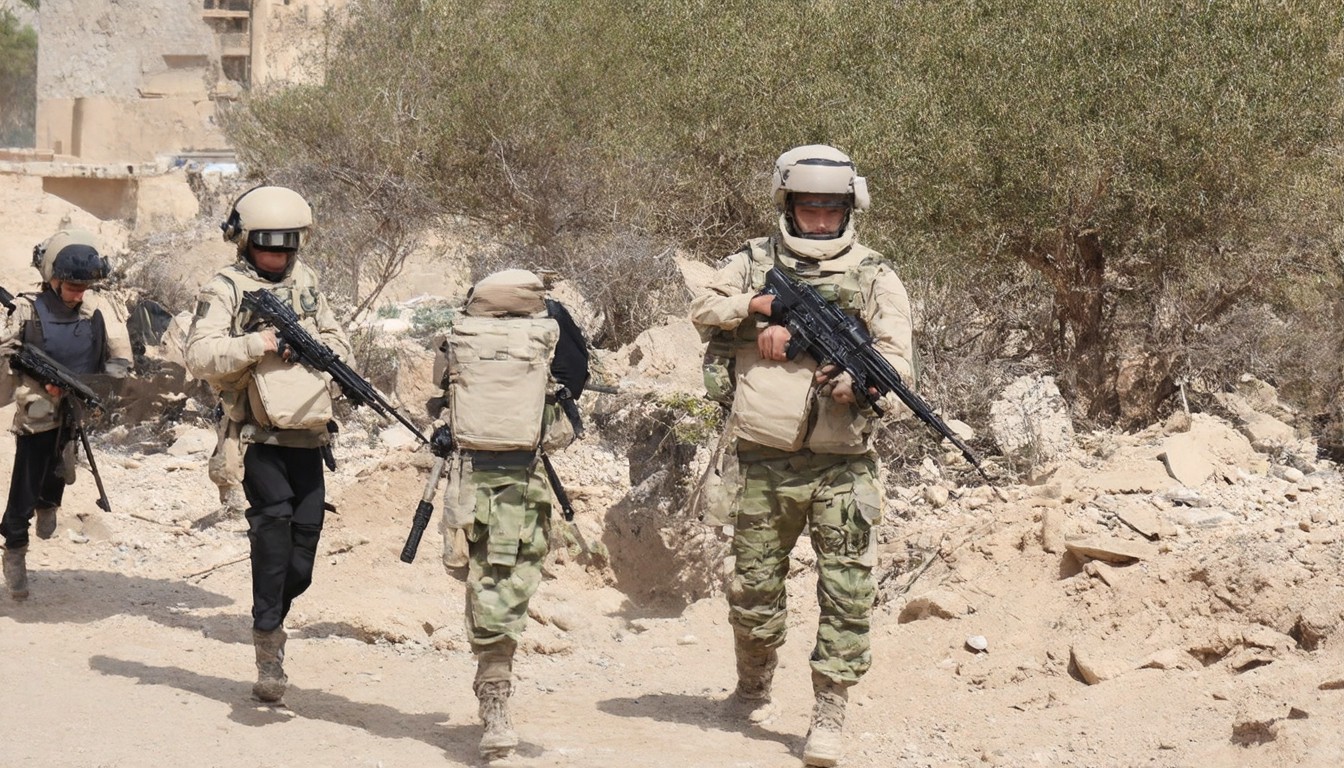
In recent years, the world has witnessed a series of conflicts and wars on terror that have left lasting impacts on nations, particularly Israel. As tensions rise and the threat of terrorism persists, the question of how to respond to such threats becomes increasingly relevant. The Israeli government, in particular, has faced the challenge of balancing security with the need to avoid irrational retaliation that could exacerbate violence and create further instability.
The lessons from past wars on terror provide valuable insights into this delicate balance. For instance, the Israeli-Palestinian conflict has been a long-standing example of how retaliation can sometimes lead to a cycle of violence. In the aftermath of the 1967 Six-Day War, Israel occupied territories that were later settled by Jewish settlers. This occupation, in turn, fueled Palestinian resistance, leading to further Israeli military actions. This cycle of violence highlights the dangers of retaliation without a clear strategy for de-escalation.
One of the key lessons from past conflicts is the importance of strategic planning and restraint. In the 1990s, Israel's Prime Minister Yitzhak Rabin pursued a peace process with the Palestinians, which included the withdrawal from southern Lebanon and the establishment of the Palestinian Authority. This approach, though not without its challenges, demonstrated that diplomacy and restraint can lead to temporary stabilization. However, the assassination of Rabin in 1995 and subsequent Israeli military operations in the West Bank and Gaza Strip underscored the difficulty of maintaining this balance.
Another critical lesson is the need for international cooperation. During the Second Intifada in the early 2000s, Israel faced significant international pressure to halt its military operations and engage in peace talks. While this period was marked by violence and hardship, it also highlighted the role of international actors in mediating and moderating conflicts. The establishment of the Quartet on the Middle East, comprising the United States, Russia, the European Union, and the United Nations, exemplifies the importance of multilateral efforts in addressing such complex issues.
Moreover, the lessons from past wars on terror emphasize the necessity of addressing the root causes of conflict. In the case of Israel, this involves addressing the grievances of Palestinian communities, including the issue of refugees and the lack of political representation. While this is a complex and sensitive matter, efforts to address these issues can help reduce the fertile ground for extremism and violence.
In recent years, Israel has faced new challenges in the form of Iran's nuclear program and Hezbollah's activities in Lebanon. These threats have prompted Israeli leaders to consider preemptive strikes, raising questions about the ethics and effectiveness of such actions. The 2006 Lebanon War, which followed Israel's targeted assassination of a Hezbollah leader, demonstrated that such operations can lead to unintended consequences, including civilian casualties and increased regional tensions.
The lessons from past wars on terror also remind us of the importance of human rights and the rule of law. In the aftermath of military operations, it is crucial to hold those responsible for violations accountable. The Goldstone Report, which investigated Israel's 2008-2009 military operation in Gaza, highlighted the need for accountability and the potential for war crimes. While Israel has faced criticism for its actions, it is also important to recognize the challenges faced by the state in maintaining security amidst ongoing threats.
In conclusion, the lessons from past wars on terror underscore the need for Israel to resist irrational retaliation and instead pursue strategies that prioritize strategic planning, diplomacy, and international cooperation. By addressing the root causes of conflict and adhering to the rule of law, Israel can work towards a more sustainable and peaceful future. However, this path is fraught with challenges, and the Israeli government must navigate these complexities with care and foresight. As the world continues to grapple with the consequences of terrorism and conflict, the lessons from Israel's experiences offer valuable insights for other nations facing similar dilemmas.









