
Israel hits Iran gas complex after Trump threat
TEHRAN — Israeli strikes hit Iran's largest petrochemical complex Monday, as the Islamic republic defied threats from United States President Donald Trump to devastate civilian infrastructure if it does not reopen the Strait of Hormuz.
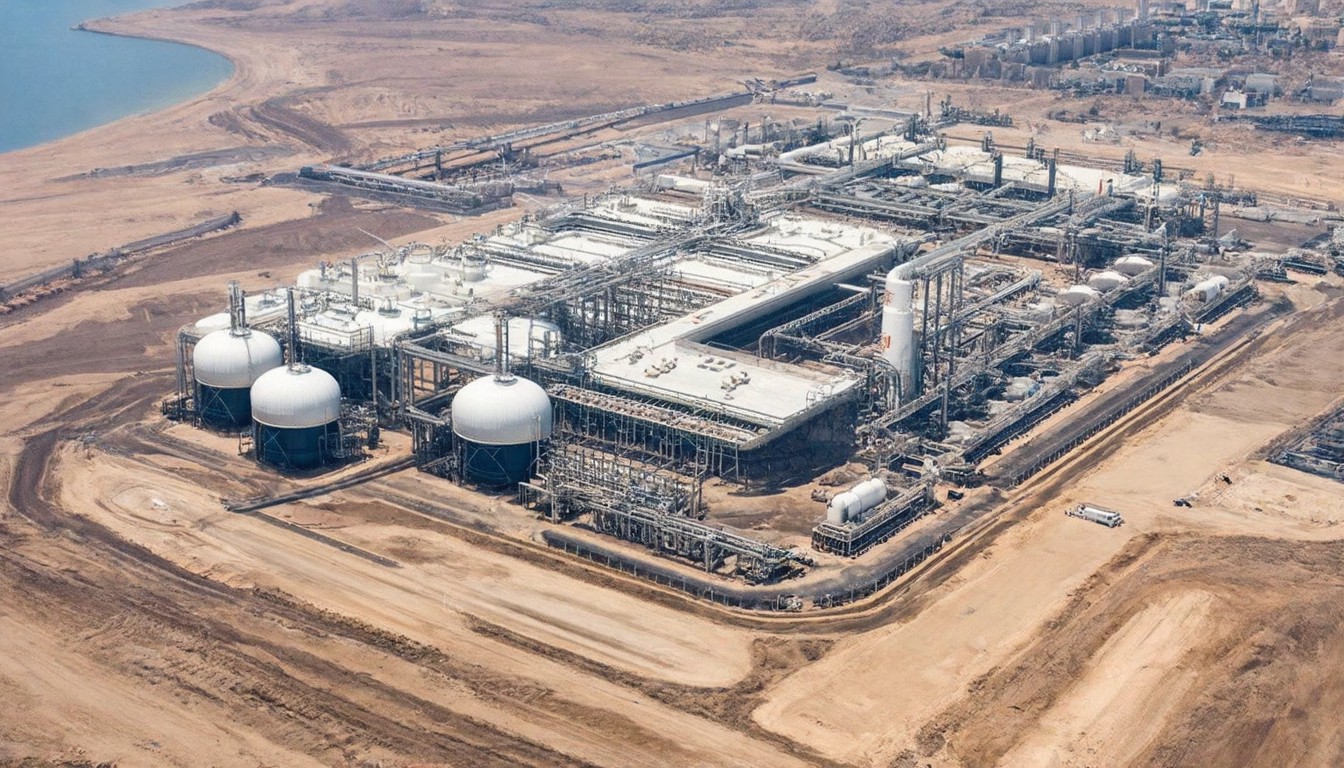
Israeli forces launched a series of airstrikes on Iran's largest petrochemical complex on Monday, marking a significant escalation in the ongoing tensions between the two nations. The attack comes as Iran has defiantly ignored threats from U.S. President Donald Trump to destroy civilian infrastructure if it does not reopen the strategically vital Strait of Hormuz.
The petrochemical complex, located in the city of Abadan in Khuzestan province, is a cornerstone of Iran's oil and gas industry. It produces a wide range of petrochemical products, including plastics, fertilizers, and other essential chemicals. The facility is considered a critical asset for both Iran's domestic economy and its regional influence, as it supplies much of the Middle East with these vital commodities.
The strikes, which targeted several key installations within the complex, were carried out using a combination of precision-guided munitions and unmanned aerial vehicles. Israeli officials have not officially confirmed the operation, but multiple sources within the region have reported the attacks as being the work of Israeli forces.
The timing of the airstrikes coincides with a tense standoff between Iran and the United States over the Strait of Hormuz. In recent weeks, the U.S. has escalated its diplomatic and military pressure on Iran, demanding that it reopen the strait, which has been partially blocked by Iranian forces since mid-June. The U.S. has warned that it will take military action if Iran does not immediately reverse its decision to restrict shipping through the strait.
Iran, however, has remained unyielding in its stance, insisting that it will not back down from its position. Iranian officials have accused the U.S. of attempting to strangle Iran's economy by imposing sanctions and threatening its oil exports. They have also warned that any attempt by foreign forces to attack Iranian infrastructure will be met with a robust response.
The Israeli airstrikes on the petrochemical complex appear to be a direct response to Iran's defiance of U.S. threats. While the U.S. has not explicitly coordinated the operation with Israel, the two nations have a long-standing alliance and have previously collaborated on covert operations targeting Iranian interests.
The attack on the Abadan complex has raised concerns among regional allies of Iran, particularly among those reliant on Iranian petrochemicals. The disruption of the facility could lead to shortages of essential products, potentially destabilizing the region further.
In the aftermath of the airstrikes, Iranian officials have vowed to strengthen their defenses and increase their military readiness. They have also accused Israel of acting as an extension of U.S. aggression, further straining already fragile relations between Tehran and Tel Aviv.
The escalation in tensions between Israel and Iran, fueled by the U.S. pressure on the Strait of Hormuz, has the potential to spiral out of control. As both nations continue to mobilize their military forces, the risk of a full-scale conflict in the region has never been higher.
Meanwhile, global markets are bracing for the potential impact of the ongoing crisis. The Strait of Hormuz is a critical chokepoint for global oil and gas supplies, and any further disruptions could lead to significant price increases and economic instability.
As the situation continues to evolve, it remains unclear how the U.S., Israel, and Iran will resolve their differences. One thing is certain, however: the recent airstrikes on Iran's petrochemical complex mark a new and dangerous phase in the ongoing conflict between these three key players in the Middle East.









