ISI-Backed Module Behind Punjab BJP Office Grenade Blast; Five Arrested
Punjab Police arrest five over April 1 grenade attack at BJP office in Chandigarh, link plot to Pak ISI and foreign handlers, two key assailants still absconding
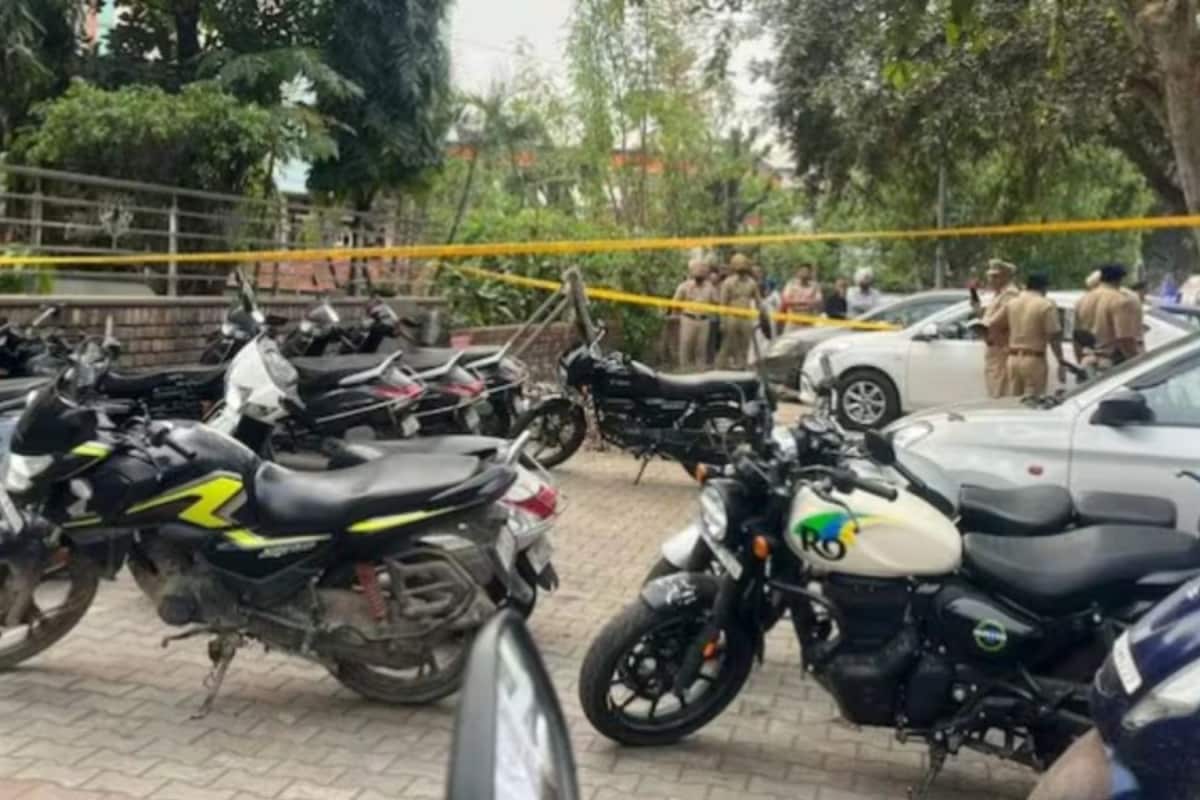
On April 1st, a grenade blast targeted the Bharatiya Janata Party (BJP) office in Chandigarh, the capital of Punjab, India. The attack, which occurred during a political rally, left several people injured and caused widespread panic. The Punjab Police, after conducting a thorough investigation, have now arrested five individuals linked to the plot. Authorities suspect that the attack was orchestrated with the backing of the Inter-Services Intelligence (ISI), Pakistan's military intelligence agency, and foreign handlers. Two key suspects remain at large.
The grenade attack took place as hundreds of people gathered at the BJP office to attend a political meeting. The blast occurred just as the event was about to commence, and the shockwaves sent shockwaves through the crowd. Emergency services rushed to the scene, and the injured were transported to nearby hospitals. The incident sparked widespread concern about security in the region and raised questions about the involvement of external forces in India's internal affairs.
The Punjab Police launched an immediate investigation into the attack, and after weeks of intense scrutiny, they identified five suspects. These individuals were apprehended in a series of coordinated raids across the state. During the raids, law enforcement agencies seized weapons, explosives, and other materials that were allegedly used in the planning and execution of the attack.
The police have linked the plot to the ISI and foreign handlers, suggesting that the attack was part of a larger conspiracy to destabilize the region. The ISI has been accused of involvement in various acts of terrorism in India, including cross-border attacks and support for militant groups. The connection to foreign handlers adds another layer of complexity to the case, as it raises concerns about the potential involvement of international actors in India's internal politics.
The two key assailants who remain at large are believed to have fled to Pakistan, where the ISI operates with significant impunity. Indian authorities have requested extradition of the suspects from Pakistan, but the process has been slow and fraught with challenges. The situation has strained relations between India and Pakistan, with both countries accusing each other of supporting terrorist activities.
The BJP office attack has been met with strong condemnation from political leaders and the general public. The Indian government has vowed to take robust action against those responsible for the attack and to strengthen security measures to prevent similar incidents in the future. The incident has also reignited the debate about the role of external forces in India's politics and the need for enhanced vigilance against terrorism.
The arrests made by the Punjab Police have provided some closure to the case, but the two absconding suspects remain a cause for concern. As the investigation continues, authorities are working to uncover the full extent of the conspiracy and to bring all those involved to justice. The attack on the BJP office in Chandigarh serves as a stark reminder of the ongoing threats to security in India and the need for a unified and effective response from all stakeholders.
In the aftermath of the blast, the Chandigarh BJP office has been closed for security reasons, and political activities have been temporarily suspended. The injured victims and their families have received support from the government and the local community. The incident has also prompted a reevaluation of security protocols for political events and gatherings across the country.
The connection to the ISI and foreign handlers highlights the complex nature of terrorism in the region and the challenges faced by Indian authorities in combating it. The case underscores the need for continued collaboration between India and its neighbors to address the shared threats posed by terrorism and extremism.
As the investigation progresses, the Indian government and security forces are under pressure to deliver swift justice and to prevent further acts of terrorism. The attack on the BJP office in Chandigarh serves as a stark reminder of the ongoing threats to security and the importance of a robust and effective counterterrorism strategy. The case will undoubtedly be closely watched by both domestic and international observers, as it has the potential to further shape the complex dynamics of India-Pakistan relations and the broader security landscape of South Asia.