
Is your rent ever going to fall?
Too often politicians tout awful solutions for helping tenants
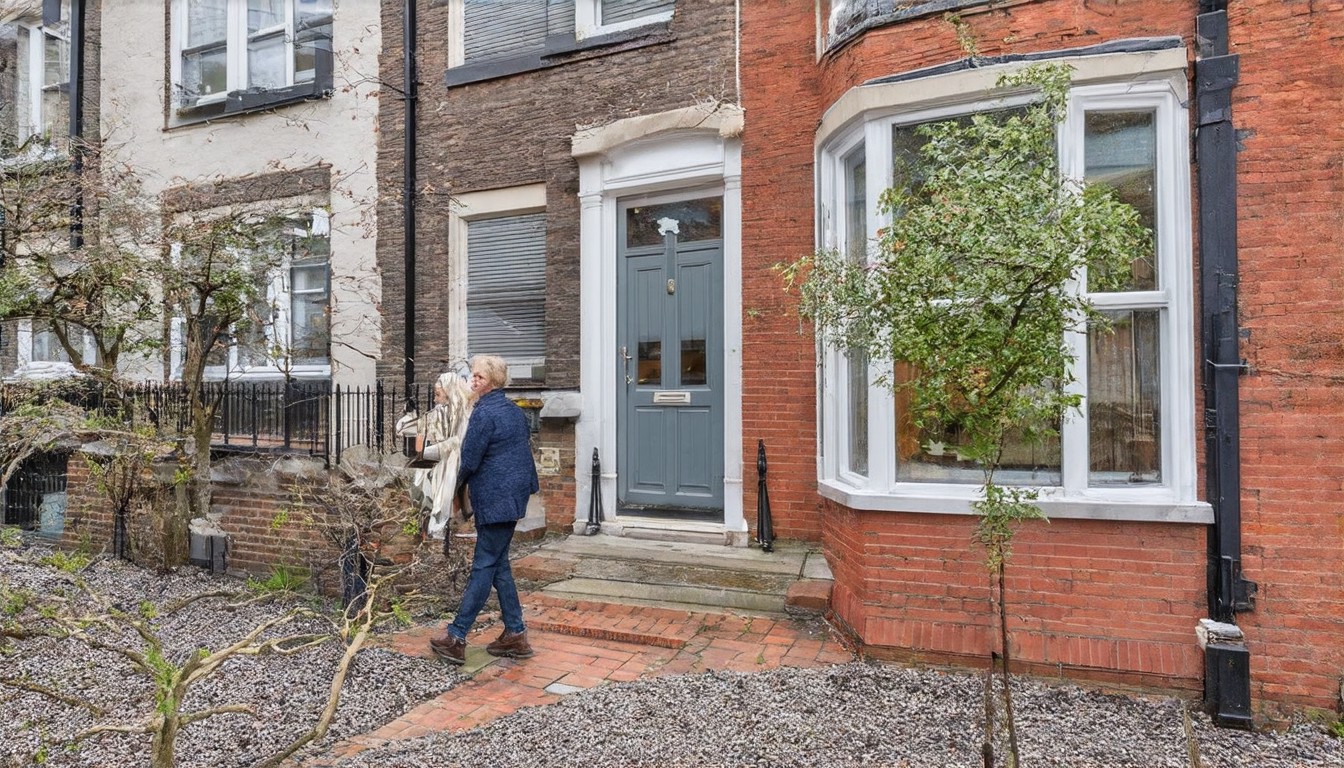
In recent years, the debate over rising rents has become a focal point in political discourse, with many politicians offering solutions that often fall short of addressing the root causes of the issue. The question of whether rents will ever fall has become a rallying cry for tenants struggling to make ends meet, yet the proposed remedies frequently lack the depth and nuance required to effect meaningful change.
One of the most common narratives in political circles is the promise of affordable housing initiatives. These plans often involve subsidies, tax credits, or zoning changes aimed at increasing the supply of rental units. While these measures can help alleviate some pressure on tenants, they often fail to tackle the underlying factors driving up rents. For instance, subsidies can be temporary and may not provide long-term stability, while zoning changes can be slow to implement and may not always lead to the desired increase in housing supply.
Another recurring theme in political discussions is the call for rent control. Proponents argue that capping rent at a certain level can protect tenants from exorbitant increases. However, critics point out that rent control can discourage landlords from investing in properties, leading to a decline in maintenance and upkeep. Over time, this can result in a deterioration of living conditions and a shortage of quality rental units.
Moreover, politicians frequently emphasize the importance of increasing minimum wage as a way to boost tenants' income and make rent more manageable. While higher wages can indeed provide some relief, they do not directly address the issue of high rents. In many cases, wage increases are absorbed by employers or passed on to consumers in the form of higher prices, limiting their impact on affordability.
In addition to these proposed solutions, there is a growing recognition that systemic changes are needed to address the issue of rising rents. One such change involves rethinking urban planning and transportation policies. By improving public transit systems and promoting mixed-use developments, cities can reduce the demand for expensive suburban housing, which in turn can help lower rents. However, these changes require significant investment and long-term planning, which may not align with the short-term political agendas of many politicians.
Furthermore, addressing the issue of rent affordability often requires a comprehensive approach that considers both supply and demand. Policymakers must balance the need for economic growth with the social responsibility of ensuring that all citizens can access affordable housing. This may involve incentivizing the construction of rental units, investing in affordable housing projects, and promoting policies that encourage businesses to locate in areas where they can contribute to local economies without driving up rents.
Despite these challenges, there are some promising developments on the horizon. In recent years, there has been a growing movement among tenants and advocacy groups to demand more transparency and accountability from landlords and policymakers. This grassroots effort has led to increased pressure on politicians to deliver meaningful solutions, rather than just rhetoric.
In conclusion, while politicians often offer well-intentioned but inadequate solutions to the problem of rising rents, the path to a more sustainable and affordable housing market lies in a combination of systemic changes, long-term planning, and a commitment to addressing the root causes of the issue. Only by recognizing the complexity of the problem and pursuing comprehensive, evidence-based policies can we hope to see rents stabilize or even fall in the future.









