
Is the age of American air superiority coming to an end?
The growing effectiveness of air-defence systems could blunt the West’s most powerful weapons
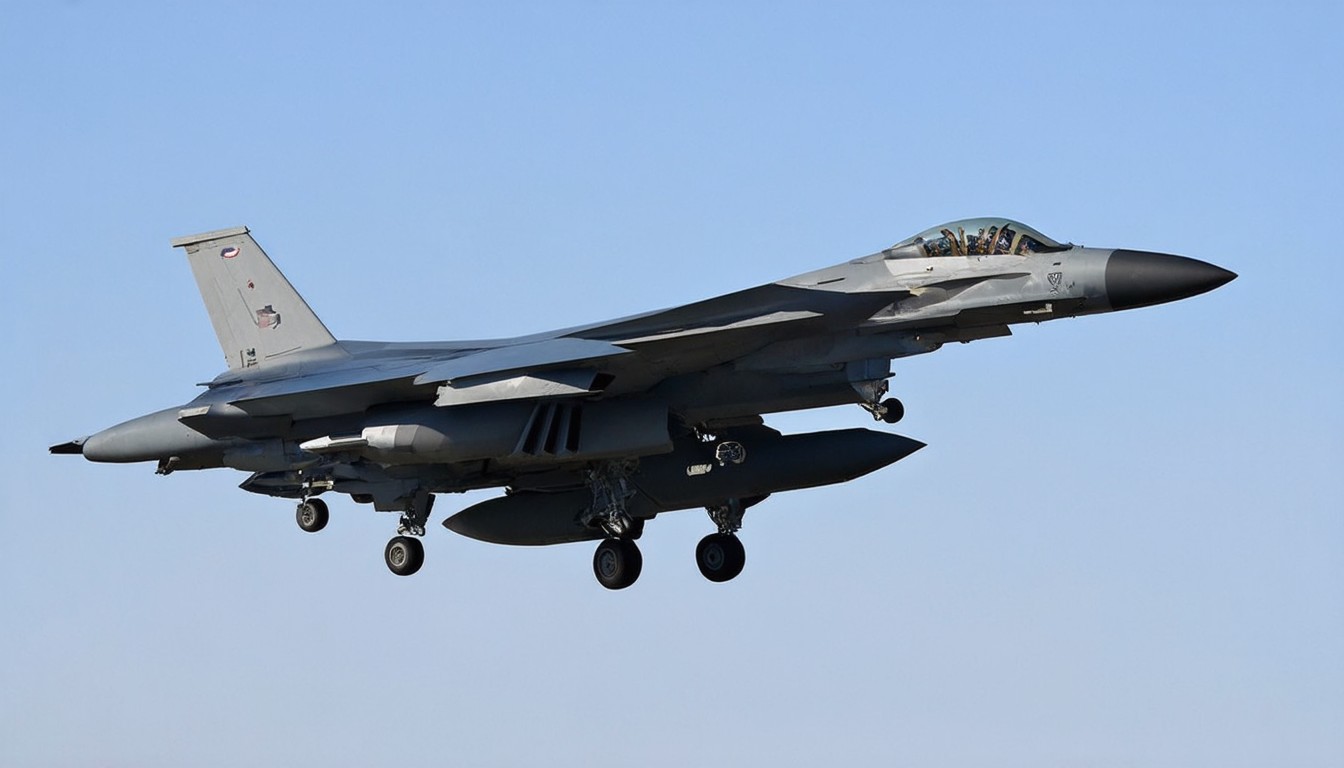
In recent years, the dominance of American air power has been a cornerstone of global military strategy. However, as advanced air-defence systems continue to evolve, experts are beginning to question whether the age of American air superiority is drawing to a close. The growing effectiveness of these systems could significantly impact the West's ability to project power and maintain its strategic advantages.
The development of sophisticated air-defence technologies has been driven by a combination of geopolitical tensions, technological advancements, and the increasing sophistication of adversaries. Countries such as Russia, China, and Iran have invested heavily in next-generation air-defence systems, which are capable of detecting, tracking, and engaging a wide range of aerial threats. These systems include radar networks, missile batteries, and electronic warfare capabilities that can neutralize enemy aircraft and missiles, thereby challenging the traditional supremacy of American air forces.
One of the key factors contributing to this shift is the proliferation of advanced missile systems. Countries like Russia have developed long-range missile systems, such as the S-400 and S-500, which can engage multiple targets simultaneously and are capable of downing stealth aircraft. Similarly, China has been rapidly expanding its arsenal of anti-aircraft missiles, including the HQ-22 and HQ-9, which are designed to counter both manned and unmanned aerial vehicles. These systems pose a significant threat to the United States' ability to maintain air superiority, particularly in regions such as Asia and the Middle East.
In addition to missile systems, adversaries are also investing in advanced radar technologies that can detect and track aircraft at greater distances. These radars, often equipped with electronic warfare capabilities, can jam or deceive enemy aircraft, making it more difficult for them to operate effectively. Furthermore, the integration of these systems with artificial intelligence and machine learning is further enhancing their capabilities, allowing them to adapt quickly to changing threats and environments.
The growing effectiveness of air-defence systems is not limited to adversaries; it is also affecting the West's own military capabilities. As these systems become more advanced, they force the United States and its allies to rethink their strategies and invest in new technologies to maintain their edge. This includes the development of stealth aircraft, such as the F-35 and B-21, as well as the deployment of advanced missile systems, such as the Ground-Based Midcourse Defense (GMD) interceptor. However, the rapid pace of technological advancement means that the West must continually innovate to stay ahead of the curve.
Moreover, the increasing reliance on air power has made the West more vulnerable to these emerging threats. In recent conflicts, such as the Syrian Civil War and the Ukraine invasion, adversaries have successfully employed air-defence systems to neutralize enemy aircraft and missiles, thereby altering the course of battles and undermining the effectiveness of air campaigns. These incidents have highlighted the need for the West to adapt its strategies and invest in new technologies to counter these challenges.
The implications of this shift in air-defence capabilities are far-reaching. If adversaries continue to develop and deploy advanced air-defence systems, it could force the West to reconsider its reliance on air power and explore alternative strategies. This could include increased investment in space-based systems, cyber warfare, and other domains of military competition. Additionally, it may lead to a more balanced approach to military strategy, where air power is not the sole decisive factor but rather one of several components working in concert.
In conclusion, the growing effectiveness of air-defence systems poses a significant challenge to the West's air superiority. As adversaries continue to invest in next-generation technologies, the United States and its allies must adapt their strategies and invest in new capabilities to maintain their strategic advantages. While the age of American air superiority may not be over, it is undoubtedly facing unprecedented challenges that require a comprehensive and innovative response. The future of air power will be shaped by the ability of the West to adapt and innovate in the face of these evolving threats.









