
Is it possible to build a plastic-free home?
Using plastic in construction is cheap and easy, but some are trying to radically cut back its use.
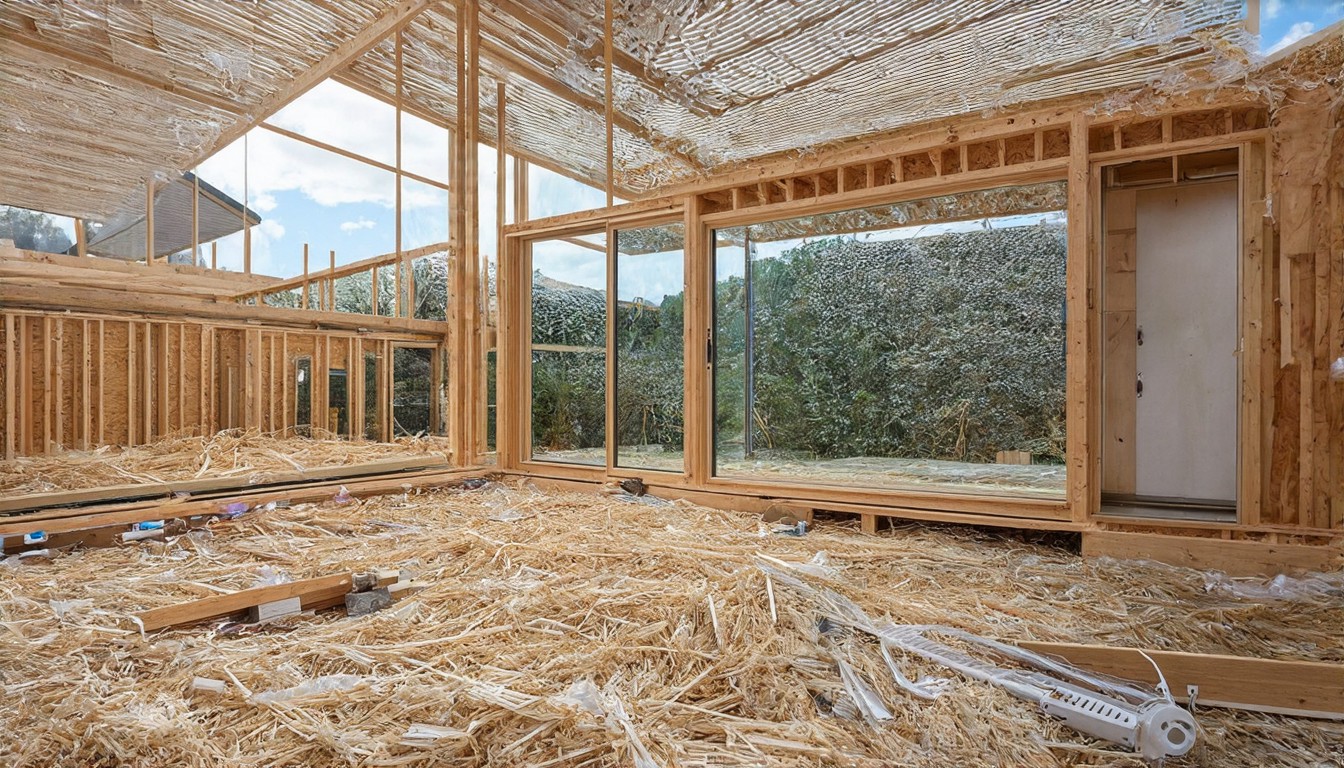
In recent years, the environmental impact of plastic has become a growing concern, prompting many individuals and organizations to seek alternatives to traditional plastic-based materials in various industries. Construction, in particular, has long relied on plastic for its affordability and ease of use. However, as awareness about the ecological harm caused by plastic waste increases, some are exploring the possibility of building a plastic-free home.
The use of plastic in construction is widespread, from insulation and pipes to window frames and siding. These materials are often chosen for their durability, low cost, and versatility. Yet, the environmental costs of producing and disposing of plastic are significant. Plastic waste contributes to pollution, harming ecosystems and wildlife, and its production relies heavily on non-renewable resources like petroleum.
Advocates for a plastic-free home argue that it is not only possible but also beneficial for the environment. They point to alternative materials that can replace plastic in construction, such as bamboo, cork, and recycled metals. For instance, bamboo is a rapidly renewable resource that can be used for flooring, furniture, and even structural components. Cork, derived from the bark of cork oak trees, is a sustainable insulation material that also provides a natural barrier against moisture and pests. Recycled metals, such as steel and aluminum, can be used for various construction purposes, reducing the need for virgin materials and lowering carbon emissions.
One of the challenges in building a plastic-free home is the availability and cost of alternative materials. While some materials may be more expensive upfront, they often offer long-term savings in terms of maintenance and environmental impact. Additionally, advancements in technology are making more sustainable materials more accessible and affordable. For example, companies are developing innovative insulation materials made from recycled plastics or natural fibers like hemp and wool, which can be used as a sustainable alternative to traditional plastic insulation.
Another consideration is the expertise required to construct a plastic-free home. Builders and designers need to be knowledgeable about the properties and applications of alternative materials to ensure they meet the necessary standards for durability and performance. This knowledge gap can be addressed through education and collaboration between builders, architects, and material manufacturers.
In some cases, the push for a plastic-free home extends beyond construction materials to include appliances and fixtures. For example, some homeowners opt for stainless steel or ceramic sinks and faucets instead of plastic ones, and choose to install reusable water filters rather than relying on plastic bottles. These choices not only reduce plastic waste but also promote a more sustainable lifestyle.
The transition to a plastic-free home is not without its challenges. It requires careful planning, research, and sometimes a higher initial investment. However, the environmental benefits and potential long-term savings make it a worthwhile endeavor. As more people become aware of the issues surrounding plastic pollution, the demand for sustainable construction materials is likely to grow, driving innovation and making plastic-free homes more attainable.
Ultimately, the journey towards a plastic-free home is about making informed choices and prioritizing sustainability. By exploring alternative materials and supporting eco-friendly practices, individuals can contribute to a cleaner, healthier environment for themselves and future generations. While the path may be challenging, the potential rewards are significant, offering a blueprint for a more sustainable future.









