Is Iran Imposing Ship Tolls? India Issues Clarification Amid Strait Of Hormuz Tensions
India says it has held no talks with Iran on tolls for Indian vessels as Iran tightens control of the Strait of Hormuz, India has evacuated over 1200 citizens from Iran
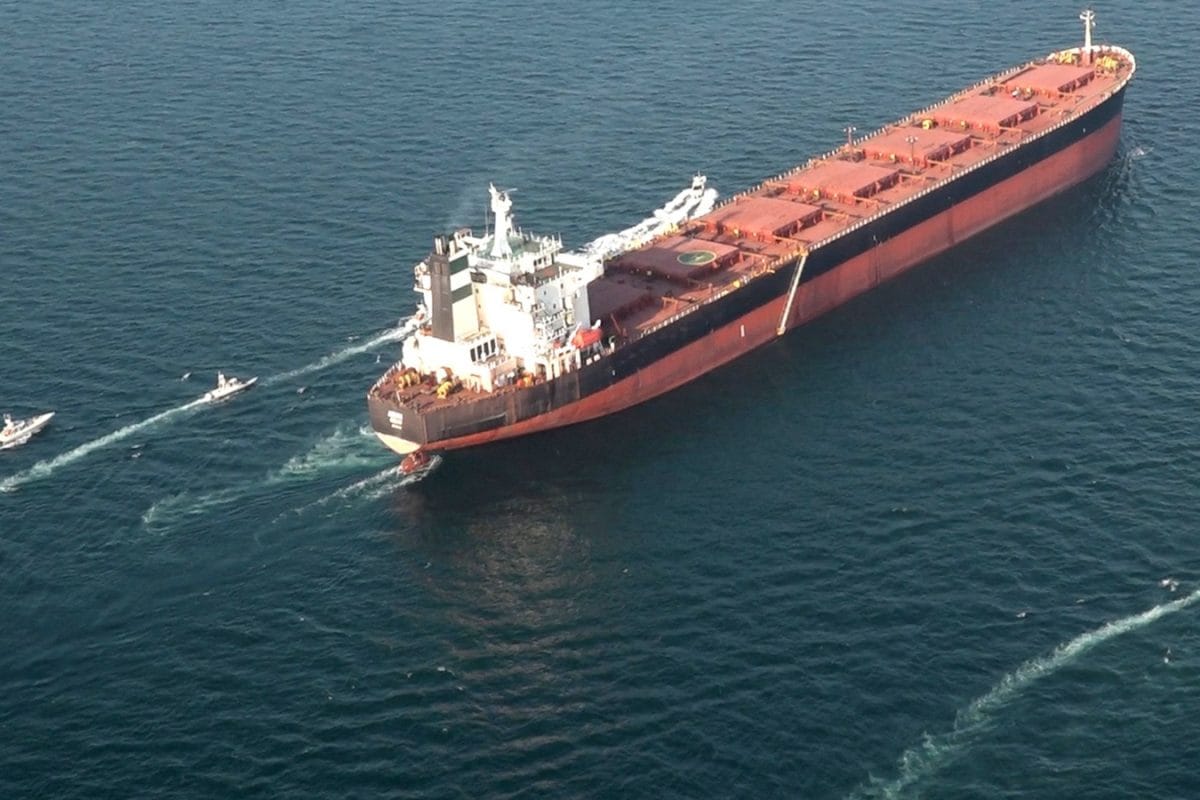
In recent weeks, tensions have risen in the Strait of Hormuz as Iran has tightened its control over the strategic waterway. This move has prompted concerns among countries that rely on the strait for trade, particularly India, which has a significant maritime presence in the region. Amid these tensions, India has issued a clarification denying reports that it has held talks with Iran regarding the imposition of ship tolls for Indian vessels navigating through the strait.
The Strait of Hormuz, located between the Persian Gulf and the Gulf of Oman, is a critical chokepoint for global oil and gas shipments. Approximately 30% of the world's oil production, including a significant portion of Iran's own output, passes through this narrow waterway. The strait's importance is not limited to oil; it also serves as a vital route for other commodities, making it a focal point for international trade.
In recent years, Iran has increased its military presence in the strait, citing the need to protect its sovereignty and maritime interests. This has led to concerns among neighboring countries and global powers, particularly in light of ongoing tensions between Iran and the United States. The United States has accused Iran of engaging in aggressive behavior in the region, while Iran has responded by asserting its right to defend its territorial waters.
India, which has a substantial merchant navy and relies heavily on the Strait of Hormuz for its trade, has been closely monitoring the situation. In a bid to ensure the safety of its citizens and vessels, India has evacuated over 1200 of its nationals from Iran. This decision was made in the wake of heightened tensions and the possibility of increased instability in the region.
The Indian government has also taken steps to bolster its naval presence in the area. The Indian Navy has deployed additional ships and aircraft to the region, with the aim of safeguarding Indian interests and ensuring the security of its maritime trade routes. This move has been seen as a response to Iran's tightening control over the strait and the broader regional tensions.
Despite these developments, India has maintained that it has not held any talks with Iran regarding the imposition of ship tolls for Indian vessels. The Indian government has emphasized that it is committed to maintaining good relations with Iran and other Gulf Cooperation Council (GCC) countries. However, it has also made it clear that it will take all necessary measures to protect its interests and the safety of its citizens in the region.
The issue of ship tolls has been a point of contention in the region for some time. In 2019, Iran announced plans to impose tolls on vessels passing through the Strait of Hormuz, citing the need to fund its naval forces. This move was met with criticism from several countries, including the United States, which warned against any attempt to restrict freedom of navigation in the strait.
India's clarification on the toll issue comes as the country continues to navigate a delicate balance in its relations with Iran. While India has traditionally maintained close ties with Iran, particularly in the areas of defense and energy, it has also been cautious in its approach to the ongoing tensions in the region. India's decision to evacuate its citizens from Iran and bolster its naval presence in the area reflects its commitment to ensuring the safety and security of its nationals and maritime interests.
The situation in the Strait of Hormuz remains fluid, with tensions likely to persist in the near future. As the world's attention focuses on the region, countries like India are closely monitoring the situation and taking necessary precautions to safeguard their interests. The clarification issued by India on the toll issue is a reflection of its efforts to maintain a stable and predictable environment for maritime trade and ensure the security of its citizens in a region that is increasingly fraught with geopolitical challenges.
In conclusion, the Strait of Hormuz has become a focal point for global tensions, with Iran's tightening control over the strait raising concerns among countries that rely on it for trade. India's clarification on the ship toll issue highlights its commitment to maintaining good relations with Iran while also taking steps to protect its interests and the safety of its citizens. As the situation in the region continues to evolve, countries will need to remain vigilant and adapt their strategies to navigate the complexities of the modern geopolitical landscape.