AI Investment Surge: Bubble or Breakthrough for Tech Giants?
The burgeoning Artificial Intelligence sector is witnessing unprecedented capital inflow, with major players like SpaceX, Anthropic, OpenAI, and Google reportedly securing substantial market investments, raising questions about a potential bubble.

The Artificial Intelligence landscape is currently experiencing an unprecedented surge in investment, drawing significant capital towards its most prominent players. Companies at the forefront of AI development, including SpaceX, Anthropic, OpenAI, and Google, are reportedly attracting substantial sums from the market, fueled by the immense promise associated with this transformative technology. This rapid influx of funding has ignited a crucial debate among financial analysts and industry observers: Is the AI sector currently riding a speculative bubble, or is the market accurately valuing its groundbreaking potential? This question carries significant implications for investors and the broader economy.
According to recent market observations, these leading technology giants are actively "mopping up huge sums" from investors eager to capitalize on what many perceive as the next frontier of innovation. The allure of Artificial Intelligence stems from its profound potential to revolutionize industries ranging from healthcare and finance to transportation and entertainment. From advanced algorithms capable of complex data analysis to sophisticated machine learning systems driving automation and personalized experiences, the perceived promise of AI is vast, drawing both strategic investors and venture capitalists alike.
The term "bubble" in financial markets typically refers to a situation where asset prices rise rapidly and significantly above their intrinsic value, often driven by speculative buying rather than fundamental economic factors. Such periods are characterized by irrational exuberance, where investors, fearing they might miss out, pour money into assets, further inflating prices. Historically, numerous sectors, from the dot-com era to housing markets, have experienced such cycles, culminating in sharp corrections when investor confidence wanes and valuations are reassessed against underlying realities, often leading to significant financial losses.
The question of whether AI is currently in such a phase is complex. On one hand, the foundational advancements in AI are undeniable, with tangible progress being made in areas like natural language processing, computer vision, and autonomous systems. These innovations promise to create entirely new markets, enhance human capabilities, and significantly boost productivity across existing industries. This genuine technological progress provides a strong basis for investment and growth, suggesting that current valuations might, in part, reflect a realistic assessment of future earnings potential and societal impact.
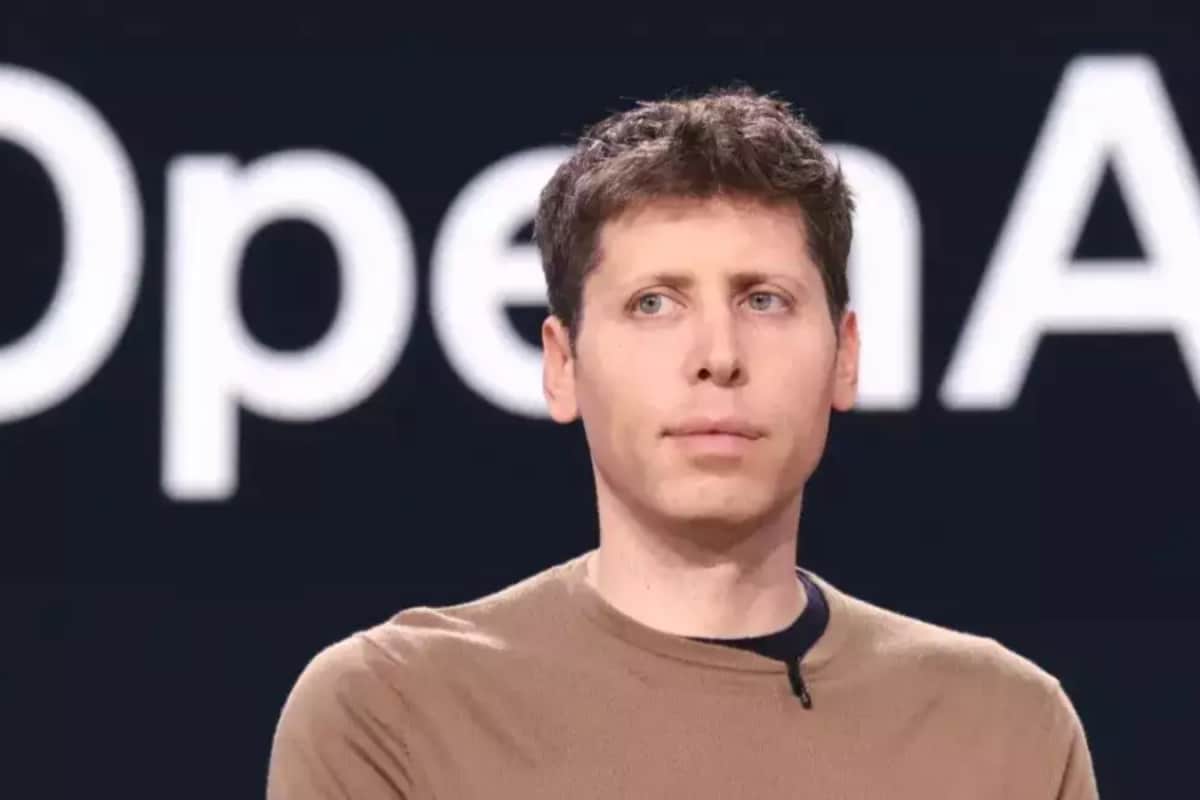
Proponents of the current investment surge argue that AI is not merely a passing fad but a foundational technology akin to the internet, poised to reshape global economies. They contend that the substantial capital being deployed is necessary to fund extensive research and development, build advanced infrastructure, and attract top-tier talent. From this perspective, investments in companies like OpenAI, known for its generative AI models, and Google, with its vast AI ecosystem, are seen as strategic moves to secure leadership in a truly revolutionary field.
However, the sheer volume and speed of capital flowing into the sector, as highlighted by the reported activities of SpaceX, Anthropic, and others, inevitably prompts comparisons to previous tech booms that ultimately proved unsustainable. The rapid escalation of valuations, often based on future projections rather than current profitability, and the sometimes-speculative nature of early-stage technology investments, raise legitimate concerns among cautious market observers. Analysts are keenly watching to discern whether current valuations are sustainable, or if they are being inflated by a collective optimism that might outpace actual commercialization and profitability timelines.
For any technology sector to sustain high valuations over the long term, it must eventually demonstrate clear pathways to profitability and deliver tangible value to consumers and businesses alike. While the "promise" of AI is immense and its potential applications are vast, the transition from groundbreaking research to widespread, economically viable, and profitable applications takes considerable time, resources, and strategic execution. The challenge for companies attracting these "huge sums" will be to effectively translate their technological prowess into robust, sustainable business models that can justify the significant capital injections and meet demanding investor expectations.
In this environment, where exuberance can overshadow prudence, investors are advised to exercise caution and conduct thorough due diligence. Differentiating between genuine innovation with clear market potential and speculative ventures merely riding the AI wave becomes paramount. The historical trajectory of tech bubbles underscores the importance of scrutinizing business fundamentals, competitive landscapes, realistic growth projections, and regulatory challenges, rather than being solely swayed by prevailing market sentiment or the intense hype surrounding a nascent technology.
Ultimately, whether the Artificial Intelligence sector is indeed "riding a bubble" remains a subject of intense and ongoing debate among financial experts. The reported success of companies like SpaceX, Anthropic, OpenAI, and Google in attracting massive investments undeniably signals strong market confidence in AI's future. Yet, the very scale and pace of this capital inflow necessitate a critical examination of current valuations and long-term sustainability. Ensuring the industry's growth is built on solid foundations, rather than fleeting speculation, is crucial. The coming years will undoubtedly reveal the true trajectory of this pivotal technological revolution.