
IRGC chief Majid Khademi killed in US-Israeli strikes
Major General Majid Khademi, head of the IRGC’s intelligence organisation, was killed on Monday, April 6, in US-Israeli airstrikes, Iranian state media reported. According to Reuters, the IRGC said in a statement on its Telegram channel that Khademi was “martyred in a criminal terrorist attack by the American-Zionist enemy at dawn today”. No further details … Get the latest updates in Hyderabad City News , Technology , Entertainment , Sports , Politics and Top Stories on WhatsApp & Telegram by subscribing to our channels. You can also download our app for Android and iOS .
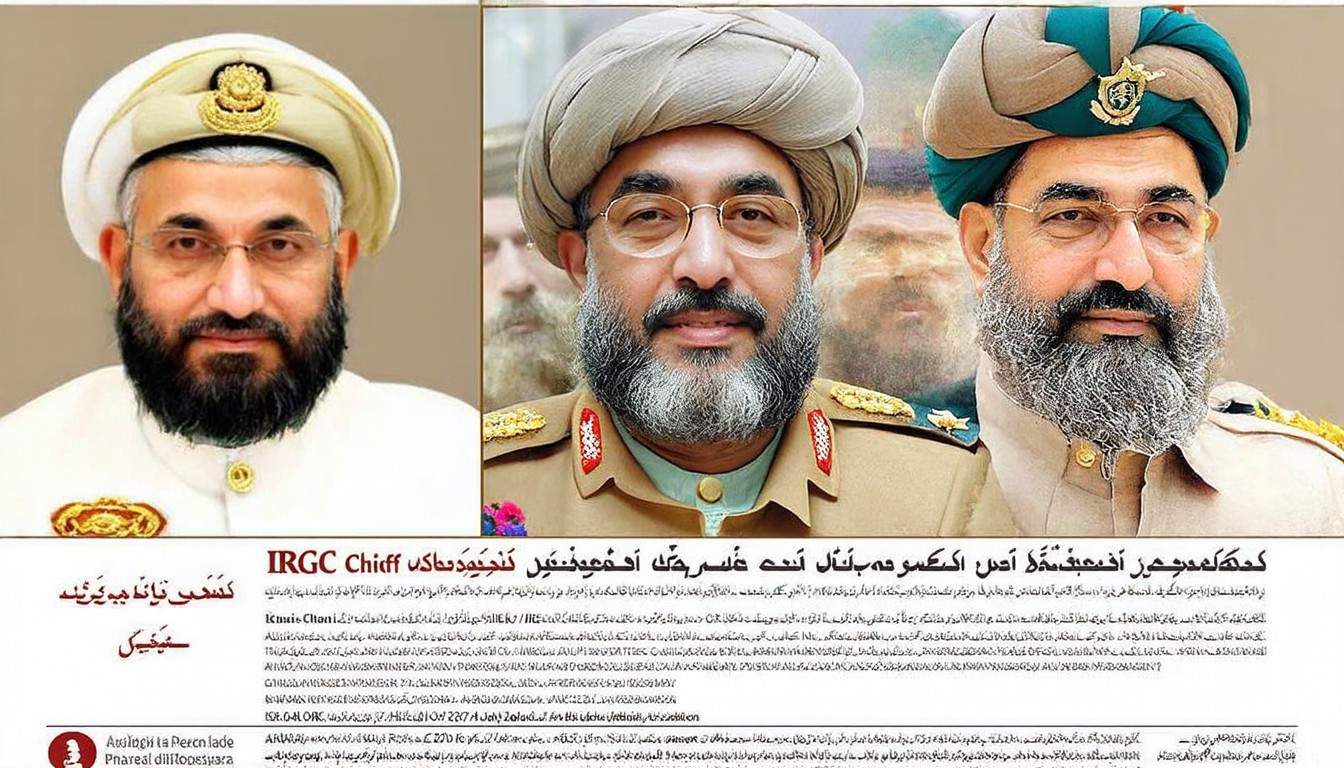
Major General Majid Khademi, the head of the Islamic Revolutionary Guard Corps (IRGC)’s intelligence organization, was killed in a US-Israeli airstrike on Monday, April 6, according to Iranian state media. The IRGC announced his death in a statement on its Telegram channel, describing it as a “martyrdom in a criminal terrorist attack by the American-Zionist enemy at dawn today.” No additional details about the circumstances of his death have been released.
Khademi’s assassination comes as tensions escalate in the region, with both the US and Israel reportedly conducting a series of airstrikes targeting Iranian-backed militias in Iraq and Syria. The strikes have been linked to the recent heightened security concerns in the Strait of Hormuz, a critical chokepoint for global oil and gas shipments.
In the aftermath of Khademi’s death, Iranian officials have vowed revenge against the US and Israel, further intensifying the geopolitical standoff. The IRGC, a powerful military force within Iran’s government, has been a key player in the region’s conflicts, supporting groups like Hezbollah in Lebanon and Kata’ib Hezbollah in Iraq.
Meanwhile, India, a major importer of oil and gas, has been working to secure its energy supply routes amid the escalating conflict. Indian-flagged LPG carriers have continued to transit the Strait of Hormuz, with the latest vessel, Green Asha, successfully crossing the strategic waterway on April 6. This follows a series of similar transits since February 28, as India strives to maintain its energy supply despite the heightened risks in the region.
The Indian Navy has been overseeing the safe passage of commercial vessels under Operation ‘Urja Suraksha’, providing navigational guidance and escort duties to ensure the continuity of energy supplies. While naval ships do not enter the Persian Gulf, they maintain constant communication with Indian-flagged vessels transiting the Strait of Hormuz. Warships then take over escort duties in the Gulf of Oman and the North Arabian Sea.
Recent deliveries under the operation include Jag Vasant, which reached Kandla with over 47,000 metric tonnes of LPG, and Pine Gas, which delivered 45,000 metric tonnes to New Mangalore port. Another vessel, Jag Vikram, remains positioned near the mouth of the Strait, awaiting clearance before beginning its transit.
As tensions continue to rise in the region, the US and Israel have faced criticism for their airstrikes, with some analysts warning that such actions could lead to a broader conflict involving Iran. The assassination of Majid Khademi underscores the volatile nature of the situation, as both sides appear determined to assert their influence in the Middle East.
India, with its strategic interests in the region, is closely monitoring the situation and working to safeguard its energy supply routes. The continued transit of Indian-flagged vessels through the Strait of Hormuz demonstrates the country’s commitment to maintaining its energy supplies despite the escalating tensions.
In the aftermath of Khademi’s death, the geopolitical landscape of the Middle East remains uncertain, with both the US and Israel facing calls to de-escalate the situation. The assassination of a senior IRGC official could further complicate efforts to find a diplomatic resolution, as Iran seeks to avenge the attack and assert its regional power.
The situation in the Strait of Hormuz and the broader Middle East is likely to remain a focal point for global attention in the coming weeks and months, as all parties involved grapple with the complexities of the region’s security dynamics. For India, the continued safe passage of its energy supplies will remain a top priority, as the country navigates the challenges posed by the escalating conflict.









