
Iran's tallest bridge collapses after reported US airstrikes; Iran threatens American allies in retaliation
Iran's biggest bridge near Tehran crashes down after reported U.S. airstrikes as Trump presses the regime to make a deal before escalation.
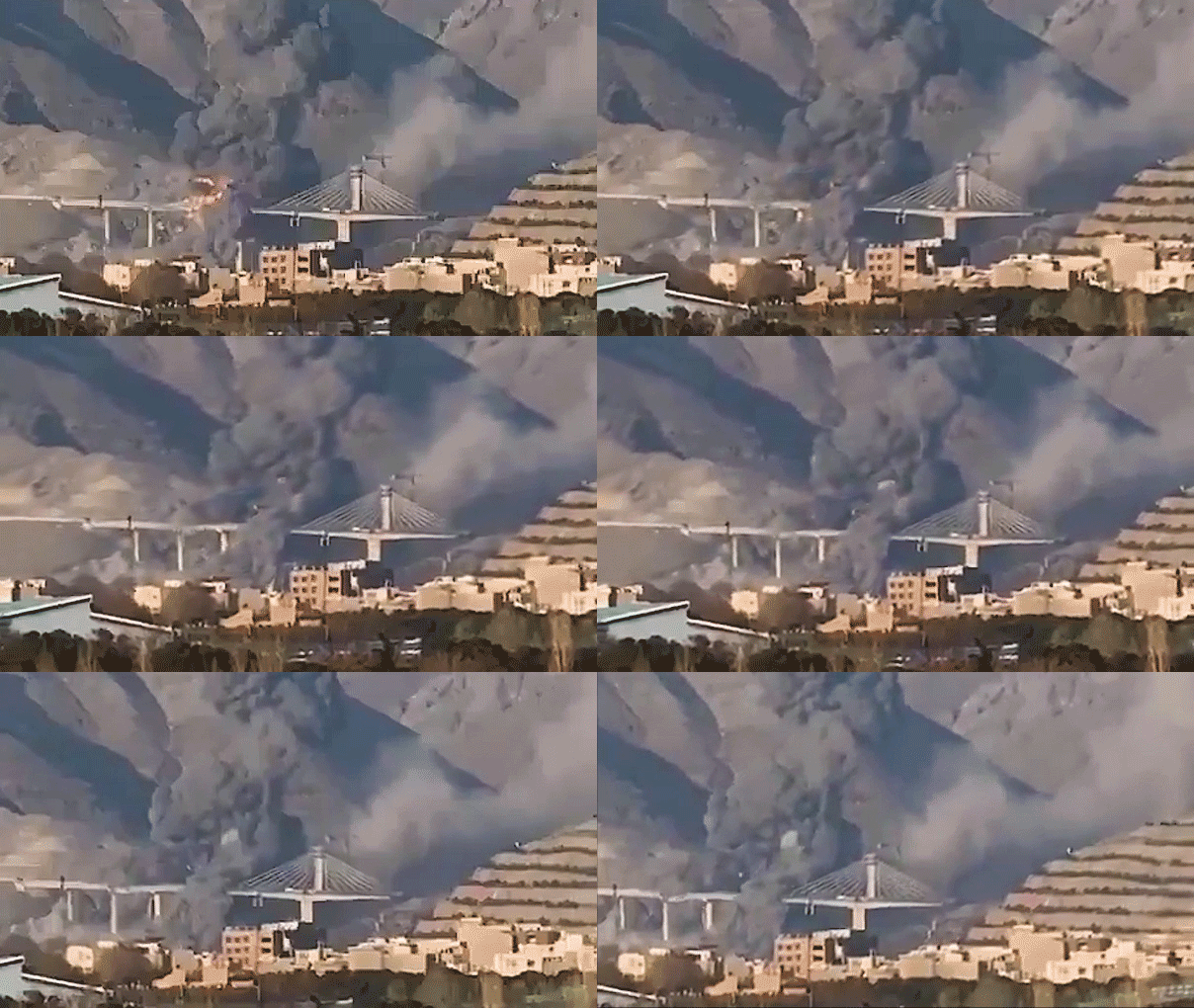
Iran's tallest bridge, the B1 highway bridge near Tehran, collapsed in a dramatic event captured on camera following reports of U.S. airstrikes. The incident occurred as President Donald Trump urged the Iranian regime to make a deal before tensions escalated further. The bridge, inaugurated earlier this year, was a critical link between Iran's capital and the western city of Karaj, and it was considered the tallest in the Middle East.
Trump shared a video on social media showing a massive plume of smoke and debris after the bridge's apparent collapse. In a post on Truth Social, he wrote, "The biggest bridge in Iran comes tumbling down, never to be used again — Much more to follow! IT IS TIME FOR IRAN TO MAKE A DEAL BEFORE IT IS TOO LATE, AND THERE IS NOTHING LEFT OF WHAT STILL COULD BECOME A GREAT COUNTRY!"
Iranian state television reported potential retaliation, claiming that the military had identified multiple bridges in American-allied Middle Eastern nations as targets, according to Iran International. The strike on the bridge was aimed at disrupting drone and missile supply lines to Iranian firing units targeting U.S. and Israeli forces, as reported by Middle East outlet i24NEWS, citing sources.
Iranian state television stated that the bridge was hit twice, roughly an hour apart, resulting in civilian casualties. Fars News reported that other areas of Karaj were also struck. The outlet added that Iran is considering plans to rebuild the bridge with the help of its engineers and experts.
In retaliation, Iran's Islamic Revolutionary Guard Corps has reportedly identified several bridges in American-allied nations across the Middle East as potential targets. The collapse of the B1 highway bridge has heightened tensions between the U.S. and Iran, with both sides threatening further action.
The incident has raised concerns about the potential for a full-scale conflict between the two nations. Trump's recent statements have signaled that a war could end within weeks, but the collapse of the bridge suggests that tensions are not yet easing. The U.S. has been pushing for a deal with Iran to address issues such as nuclear weapons and regional instability, but the collapse of the bridge may complicate any negotiations.
The collapse of the B1 highway bridge is a stark reminder of the ongoing tensions between the U.S. and Iran. As both nations continue to threaten each other, the risk of further escalation remains high. The incident has also raised questions about the safety of infrastructure in the region and the potential for collateral damage in any future conflicts.
In the aftermath of the collapse, Iranian officials have vowed to rebuild the bridge, but the incident has undoubtedly caused significant disruption to transportation and communication in the region. The collapse has also served as a warning to both nations about the potential consequences of their actions.
As tensions continue to rise, it remains to be seen whether the U.S. and Iran will be able to negotiate a deal to de-escalate the situation. The collapse of the B1 highway bridge is a stark reminder of the potential for further conflict and the need for both nations to find a peaceful resolution to their differences.
The incident has also sparked international reactions, with some countries calling for diplomacy and caution. The collapse of the bridge has highlighted the need for both nations to carefully consider the potential consequences of their actions and to work towards a peaceful resolution to their disputes.
In conclusion, the collapse of Iran's tallest bridge following reported U.S. airstrikes has heightened tensions between the two nations and raised concerns about the potential for further conflict. The incident has also underscored the need for both nations to find a peaceful resolution to their differences and to work towards de-escalation. As tensions continue to rise, the international community is watching closely to see how the situation will develop.








