
Iran’s regime collapse odds rise to 13.5% as superpower tensions escalate: FT
Iran's strategic role in global tensions underscores potential regional instability, yet immediate regime change remains unlikely without direct intervention. The post Iran’s regime collapse odds rise to 13.5% as superpower tensions escalate: FT appeared first on Crypto Briefing .
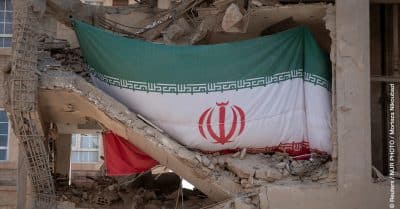
As global tensions between superpowers escalate, the odds of Iran's regime collapse have risen to 13.5%, according to recent analysis. This heightened possibility underscores the potential for regional instability, given Iran's pivotal role in global geopolitics. However, experts caution that immediate regime change is still unlikely without direct intervention from outside forces.
Iran's strategic position in the Middle East and its influence on global energy markets make it a focal point in international relations. Its nuclear program, territorial disputes with neighboring countries, and support for various proxy conflicts have long been sources of concern for global powers. The recent spike in superpower tensions, particularly between the United States and Russia, has further intensified the pressure on Iran's regime.
Despite the increased likelihood of regime collapse, analysts argue that such an outcome would not occur without significant external involvement. The Iranian government has managed to suppress internal dissent through a combination of repression, economic concessions, and strategic management of public sentiment. While there are undeniable challenges facing the regime, including economic stagnation and widespread discontent among the population, these factors alone are unlikely to lead to a swift overthrow.
The escalating tensions between superpowers could provide the necessary catalyst for regime change. If one or both of the major powers were to intervene directly in Iranian affairs, it could destabilize the current government and create an opportunity for a power vacuum. However, such intervention would likely face significant political and logistical challenges, given the complexities of the region and the potential for unintended consequences.
In the meantime, the potential for regional instability remains a pressing concern. Iran's collapse could exacerbate existing tensions in the Middle East, leading to further power vacuums and proxy conflicts. This scenario might also impact global energy markets, as Iran is a major oil producer. Any disruption to its production could drive up oil prices and have ripple effects on global economies.
Moreover, the rise in the odds of regime collapse highlights the need for international actors to consider their actions carefully. Any intervention in Iran's affairs must be weighed against the potential for increased instability and unintended consequences. It is crucial for global powers to engage in diplomatic efforts and explore alternative pathways to address their concerns, rather than resorting to military action.
In conclusion, while the odds of Iran's regime collapse have risen due to escalating superpower tensions, experts emphasize that immediate regime change is still improbable without direct intervention. The potential for regional instability, however, remains a significant concern, underscoring the need for cautious and strategic approaches by international actors. The complex dynamics of the Middle East and the far-reaching implications of any regime change in Iran cannot be overlooked as global tensions continue to escalate.









