
Iran’s Downing of Fighter Jet and U.S. Rescue Leave Both Sides Dangerously Emboldened
After Iran shot down a U.S. plane and U.S. forces pulled off a risky ground operation to extricate a stranded airman, both sides claimed victory. That confidence could fuel further escalation.
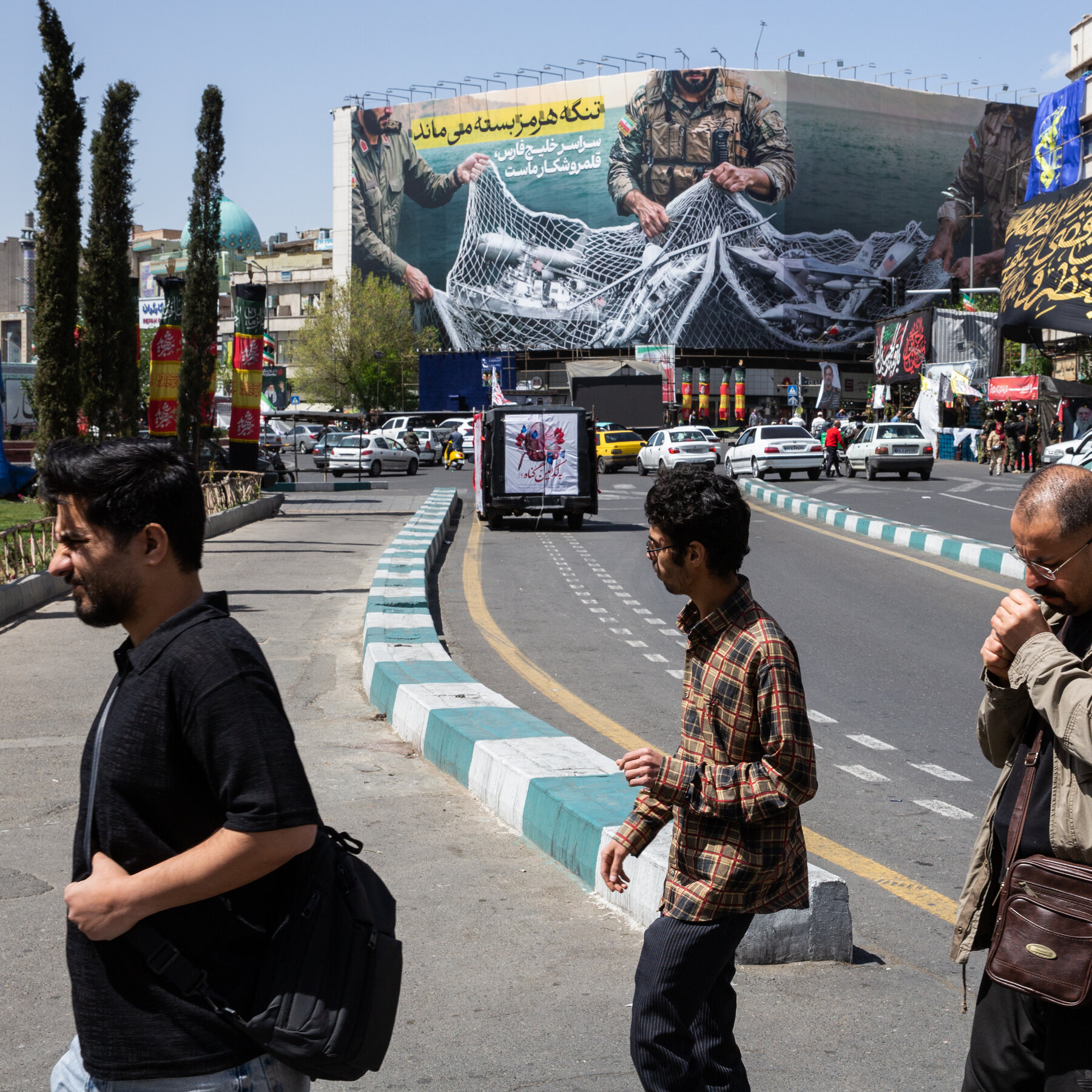
Iran’s recent downing of a U.S. fighter jet and the subsequent daring rescue mission by U.S. forces have left both nations feeling emboldened, with each side claiming a strategic victory. The incident, which occurred in the volatile Middle East region, has heightened tensions and raised concerns about potential further escalation between the two adversaries.
The U.S. military operation, which involved a risky ground extraction to save a stranded airman, was hailed as a success by American officials. The pilot, who was safely recovered, became a symbol of resilience and determination, underscoring the U.S. commitment to protecting its personnel in conflict zones. The successful rescue was framed as a clear message to Iran: the U.S. would not back down in the face of aggression.
In contrast, Iran celebrated the downing of the aircraft as a significant achievement, portraying it as a retaliation for years of U.S. interference in the region. The image of the captured jet, displayed on anti-U.S. billboards in Tehran, served as a stark reminder of the ongoing rivalry. Iranian officials argued that the incident was a necessary response to U.S. aggression and that it would deter further provocations.
The confidence displayed by both nations following these events is a cause for concern. Analysts warn that the escalation could lead to a dangerous cycle of retaliation and further military posturing. The U.S. has already increased its military presence in the region, while Iran has continued to develop its missile capabilities, further straining the delicate balance of power.
The downing of the U.S. jet also raises questions about the broader implications for regional stability. Allies and adversaries alike are watching the situation closely, eager to gauge the impact on their own security interests. Neighboring countries, such as Iraq and Saudi Arabia, are particularly concerned about the potential spillover effects, as they grapple with their own complex security challenges.
The rescue mission, while successful, highlighted the risks and complexities of military operations in hostile environments. The U.S. forces involved in the extraction faced significant challenges, including the need to operate covertly and avoid detection by Iranian forces. The operation required meticulous planning and execution, reflecting the high stakes involved in such confrontations.
The incident also underscores the broader context of U.S.-Iran tensions, which have been simmering for decades. From the 1979 hostage crisis to recent disputes over nuclear programs and regional influence, the two nations have been locked in a complex dance of rivalry and confrontation. The downing of the jet and the subsequent rescue mission are but the latest installments in this ongoing saga.
As both sides bask in their perceived victories, the path forward remains uncertain. Diplomatic channels have been strained, with each nation accusing the other of aggression and hostility. The international community, including key allies like European nations and China, is urging restraint and caution, recognizing the potential for unintended consequences.
In the coming weeks and months, observers will closely watch how both nations navigate this precarious situation. The question of whether they will seek to de-escalate tensions or continue to escalate remains unanswered. What is clear, however, is that the downing of the U.S. jet and the daring rescue mission have left both sides dangerously emboldened, with the potential for further conflict looming large on the horizon.








