
Iran's 'basement' Chinese drone networks spark fears of sleeper cell attacks on US soil
Draganfly's Cameron Chell warns Iran could produce over 100,000 FPV drones monthly, with swarm attacks on U.S. soil possible within eight months.
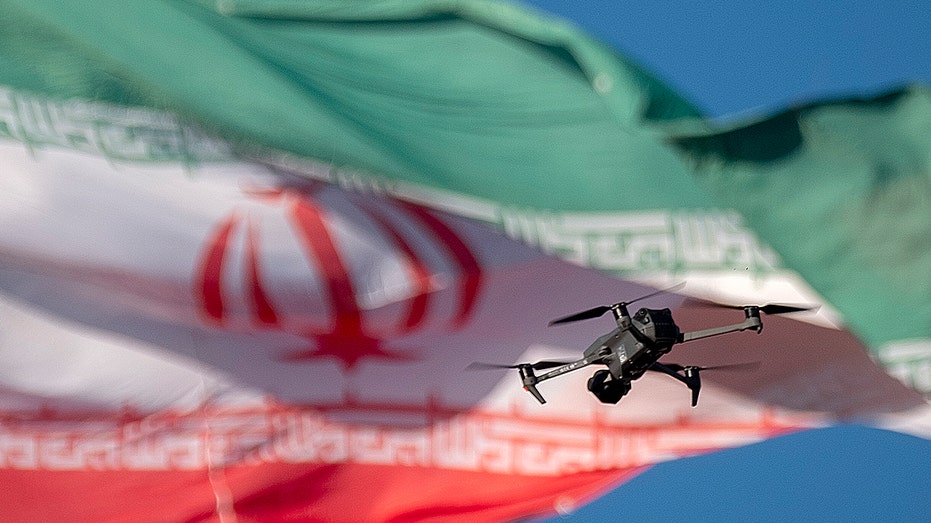
Iran's 'basement' Chinese drone networks spark fears of sleeper cell attacks on US soil
In recent years, the threat of drone warfare has become increasingly significant, with nations around the world investing in advanced drone technologies to bolster their military capabilities. Among these nations is Iran, which has been rapidly developing its own drone arsenal, particularly in the form of first-person-view (FPV) drones. According to Draganfly's Cameron Chell, a leading defense expert, Iran is building a decentralized drone warfare capability in Tehran's apartment building basements, powered by inexpensive technology sourced from China. This emerging system, centered on FPV drones, could pose a threat not only across the Middle East but potentially to the U.S. homeland.
Chell's warning comes as recent incidents in Iraq highlight the growing use of FPV drones. At Baghdad International Airport, Iranian-backed militias operating under the "Iraqi Islamic Resistance" umbrella have launched multiple FPV drone attacks. Footage released in March 2026 allegedly shows an FPV drone striking a U.S. UH-60M or HH-60M Black Hawk helicopter, while another attack successfully hit a U.S. AN/MPQ-64 Sentinel radar unit at the same base. These incidents underscore the effectiveness of FPV drones and the need for robust defense mechanisms to counter them.
Chell told Fox News Digital that "FPVs are Iran's Hail Mary because they are very hard to defend, are incredibly effective and can be delivered in a manner without having to have a central command." He explained that whether it's the Iranian army, militia groups, or Iranian patriots, they can all create or procure their own FPVs and get offensive. Chell's analysis suggests that Iran could be reiterating FPVs and churning out more than 100,000 a month over time. He added that "Iran's got either militias or sleeper cells in the states who can, in my estimation, already build this equipment."
The decentralized nature of Iran's drone network poses a significant challenge to traditional defense strategies. Unlike centralized command structures, which can be targeted and disrupted, a decentralized system allows for multiple, dispersed units to operate independently. This makes it more difficult for adversaries to neutralize the threat, as each unit can act without coordination, making it harder to predict and counter their actions.
Chell's warning about Iran's drone capabilities mirrors the situation in Ukraine, where decentralized drone manufacturing has flourished. The Ukrainian military has relied heavily on small, affordable drones to conduct reconnaissance and strike enemy positions. Similarly, Iran's strategy of decentralized drone warfare could lead to a situation where large numbers of FPV drones are produced and deployed rapidly, overwhelming existing defense systems.
The use of Chinese technology in Iran's drone program raises concerns about the ease with which such systems can be obtained and produced. Chell noted that Iran is likely pulling parts in from China and getting the parts through some pretty porous borders. This suggests that the international community may need to take a closer look at the export controls and regulations surrounding drone technology, particularly to ensure that such technology does not fall into the wrong hands.
The potential for sleeper cell attacks on U.S. soil adds an additional layer of complexity to the situation. If Iran has established sleeper cells within the U.S., these groups could potentially use FPV drones to carry out attacks on military or civilian targets. The decentralized nature of these cells would make it challenging for U.S. authorities to detect and prevent such attacks, as they would not be linked to a central command structure.
In light of these concerns, it is crucial for the U.S. to develop robust defenses against drone warfare. This includes investing in advanced air defense systems, such as the AN/MPQ-64 Sentinel radar unit, which has already proven effective in countering drone threats. Additionally, the U.S. should work to strengthen its intelligence-sharing capabilities with allies in the region, particularly Iraq, to better monitor and respond to drone attacks.
Furthermore, the U.S. should consider the potential risks associated with deploying troops to key Iranian islands. As Chell warned, such deployments could be "extremely risky" given the decentralized nature of Iran's drone capabilities. The U.S. must carefully weigh the potential benefits of such deployments against the risks posed by Iran's growing drone arsenal.
In conclusion, Iran's development of a decentralized drone warfare capability, powered by inexpensive Chinese technology, raises significant concerns about the potential for sleeper cell attacks on U.S. soil. The effectiveness of FPV drones and the ease with which they can be produced and deployed make them a formidable threat, particularly in a decentralized system. The U.S. and its allies must take these threats seriously and invest in robust defenses to counter the growing threat of drone warfare. As the situation continues to evolve, it is essential for the international community to remain vigilant and proactive in addressing the challenges posed by drone warfare.








