
Iran’s 10-Point Proposal Demands an End to Attacks and Sanctions
As President Trump’s deadline for new attacks loomed, Iran conveyed its conditions through Pakistani intermediaries.
Iran has recently put forward a 10-point proposal to the United States, outlining its conditions for an end to escalating tensions and the cessation of attacks and sanctions. This move comes as President Trump’s deadline for new military actions against Iran approached, prompting Tehran to take a proactive stance through diplomatic channels.
The proposal, which was conveyed through Pakistani intermediaries, reflects Iran’s determination to de-escalate the situation and seek a pathway to stability in the region. The 10-point plan includes demands for an immediate halt to all attacks on Iranian interests, both within and outside the country. Iran has accused the U.S. of orchestrating a series of attacks on its oil facilities and infrastructure, which Tehran claims are part of a broader campaign to destabilize the Islamic Republic.
In addition to the demand for an end to attacks, Iran’s proposal also calls for the lifting of all sanctions imposed by the U.S. and its allies. These sanctions, which have severely impacted Iran’s economy and daily life for its citizens, have been a contentious issue in recent years. Iran argues that the sanctions are unjust and have led to a humanitarian crisis, particularly in the areas of healthcare and access to essential goods.
The proposal further outlines Iran’s commitment to maintaining regional security and stability. Tehran has emphasized its role as a key player in the Middle East and its dedication to countering extremism and terrorism. Iran’s 10-point plan includes a call for a dialogue between the two nations to address shared concerns and work towards a common vision for the region’s future.
The proposal also includes specific requests related to the treatment of Iranian nationals and diplomats. Iran has demanded the release of all detained Iranian citizens and the protection of its diplomatic personnel. Additionally, Tehran has called for the U.S. to cease interfering in Iran’s internal affairs and respect its sovereignty.
The situation in Iran has been tense in recent months, with both sides engaging in a series of provocative actions. The U.S. has accused Iran of supporting terrorist groups and destabilizing efforts in the region, while Iran has accused the U.S. of aggression and interference in its affairs. The 10-point proposal represents Iran’s attempt to break the cycle of violence and find a diplomatic solution to the ongoing crisis.
The proposal’s transmission through Pakistani intermediaries highlights the role of third-party diplomacy in the region. Pakistan, which has long-standing ties with both Iran and the U.S., has been a mediator in past diplomatic efforts. The choice of Pakistan as an intermediary suggests Iran’s desire to engage in dialogue without direct confrontation with the U.S.
The U.S. has not yet responded to Iran’s 10-point proposal, leaving the future of the two nations’ relationship uncertain. However, the proposal serves as a clear indication of Iran’s willingness to engage in diplomacy and seek a peaceful resolution to the ongoing tensions.
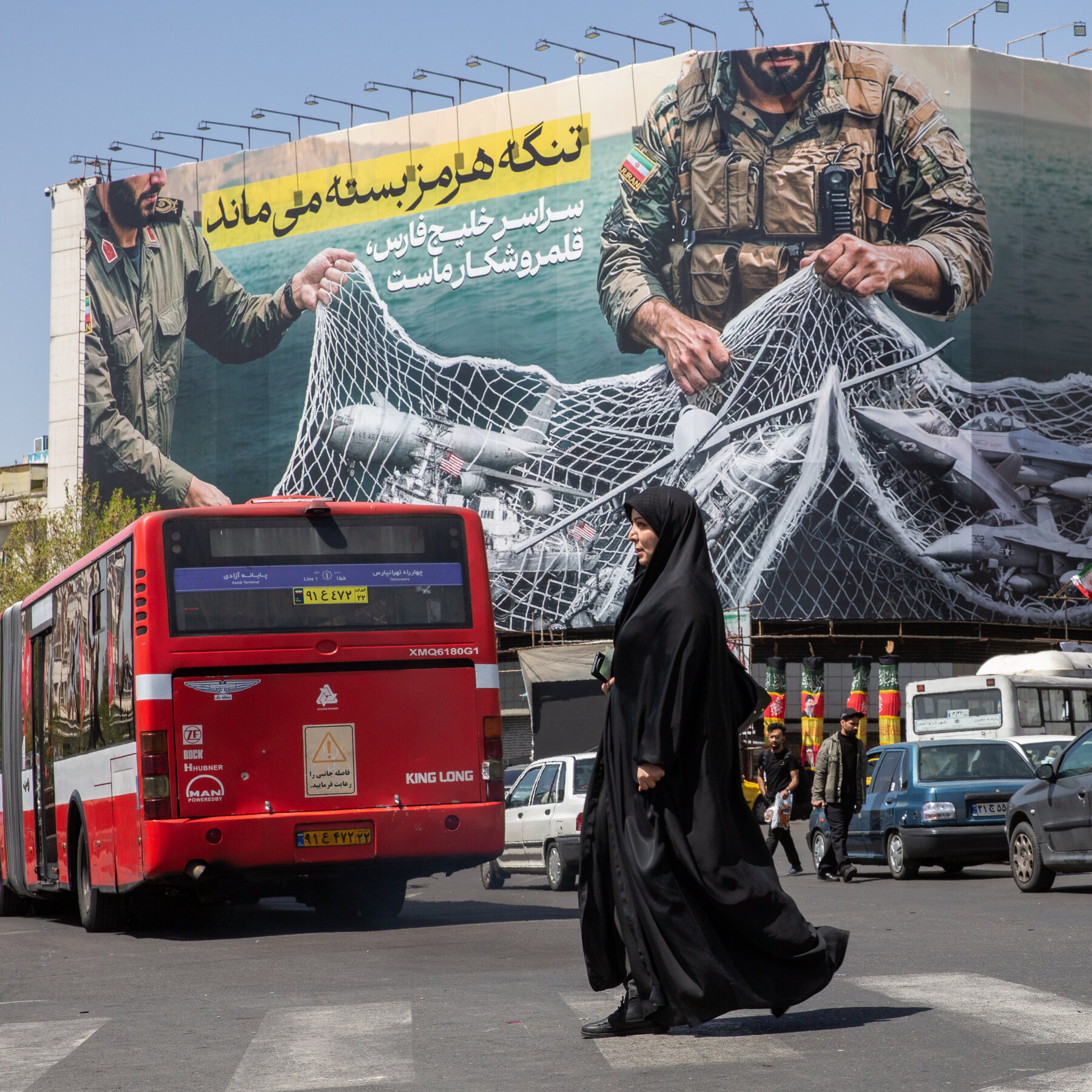
In Tehran, the atmosphere remains tense, with signs of the ongoing crisis evident in the city’s streets. A billboard in the capital city features Iranian military commanders holding American aircraft in a net, symbolizing Iran’s resolve to defend its sovereignty and deter any further aggression.
As the two nations grapple with their complex relationship, the 10-point proposal offers a potential pathway to de-escalation and dialogue. Whether the U.S. will accept Iran’s conditions remains to be seen, but the proposal underscores the need for both sides to find a way to address their differences through diplomatic means rather than military force. The future of U.S.-Iran relations will likely hinge on whether both nations can find common ground and work towards a more stable and peaceful region.









