Araghchi's Survival: Inside the Strike That Killed Khamenei
Iranian Foreign Minister Abbas Araghchi has unveiled a harrowing personal account of surviving the US-Israeli strike on February 28 that claimed the life of former Supreme Leader Ayatollah Ali Khamenei, a pivotal moment in the nascent Iran-US-Israel war.
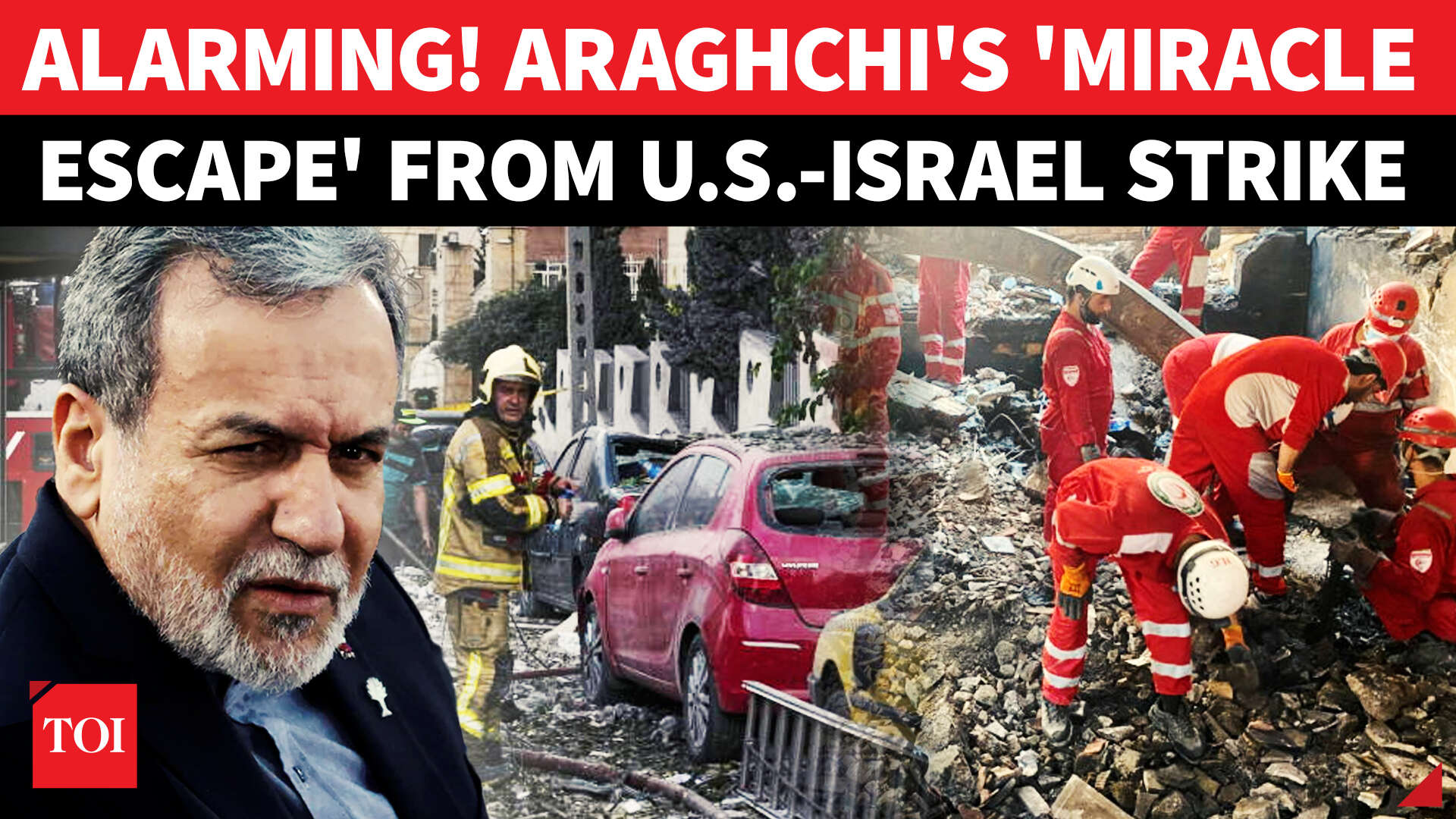
A devastating US-Israeli strike on February 28 irrevocably altered the Middle Eastern geopolitical landscape, claiming the life of Iran's former Supreme Leader, Ayatollah Ali Khamenei. Iranian Foreign Minister Abbas Araghchi has now shared a dramatic, chilling firsthand account of his survival during this attack, which reshaped the trajectory of the nascent Iran-US-Israel war. His revelations, carried by RT News, offer an unprecedented glimpse into one of the most consequential moments in recent Iranian history, underscoring the profound human and political toll of the escalating conflict. Araghchi's narrative provides a rare window into the immediate chaos and destruction, a strike that sent global shockwaves and initiated a rapid political transition within the Islamic Republic.
Speaking publicly, Foreign Minister Araghchi detailed his presence inside the targeted compound when the strike unfolded. The assault's sheer force, reportedly a coordinated effort, reduced parts of the facility to rubble. In a testament to resilience, Araghchi recounted emerging from the debris, a survivor of an attack fatal for one of the region's most powerful figures. His testimony, delivered through RT News, lends a visceral reality to official reports, painting a vivid picture of the immediate aftermath and the narrow escape of a high-ranking official. This personal dimension adds a critical layer to the historical record, confirming the direct threat to Iranian leadership.
Ayatollah Ali Khamenei's death on February 28 was more than a loss of a leader; it was, according to observers, a profound turning point in Iran's modern history. His demise, under dramatic circumstances, created a vacuum at the pinnacle of Iranian power, necessitating an immediate response from the political establishment. The strike itself, attributed to US-Israeli forces, underscored the intense and dangerous nature of the "Iran-US-Israel war" from its very inception. Targeting such a high-profile figure signaled a significant escalation and a willingness by involved parties to engage in high-stakes military actions with far-reaching consequences.
The backdrop to this pivotal event was the "Iran-US-Israel war," a conflict whose full scope is still being analyzed, but which evidently began with immediate and devastating impact. That Khamenei's death occurred on its "opening day" suggests a swift and brutal initiation of hostilities, setting a precedent for the confrontation's intensity. While specific details of the war's broader engagements remain subject to ongoing reporting, the strike on the compound and the Supreme Leader's death undoubtedly marked a dramatic and bloody start. This initial phase of the conflict immediately established a tone of severe geopolitical tension and direct confrontation, with regional and international implications.
Araghchi's account holds particular significance due to his high-ranking position within the Iranian government. As Foreign Minister, his proximity to the events and his survival provide an unparalleled perspective on the attack. His decision to share these details, reportedly via RT News, offers a rare glimpse into the immediate impact of such a critical strike on the leadership. Such firsthand testimony from a senior official is invaluable for understanding the human element of high-level geopolitical confrontations and the personal risks faced by those at the center of power during times of war. It authenticates the strike's severity and precision, confirming the direct threat to Iran's highest echelons of authority.
Following the unprecedented loss of Ayatollah Ali Khamenei, Iran moved with remarkable speed to ensure political continuity and stability. The immediate appointment of his son, Ayatollah Mojtaba Khamenei, as successor was a swift and decisive maneuver designed to prevent any power vacuum or internal dissent during a period of extreme national vulnerability. This rapid succession underscored the resilience of Iran's political system in the face of external aggression, even as it highlighted the profound impact of the strike. The quick transition also signaled the potential for a new era under a different leadership, albeit one deeply rooted in the former Supreme Leader's legacy, raising questions about future policy directions and the ongoing conflict.
The revelation of Araghchi's survival story, coupled with details of the strike and its aftermath, sheds fresh light on one of the most consequential moments of the conflict. It not only confirms the attack's severity but also provides crucial details about the immediate impact on Iran's leadership. This firsthand account helps to piece together the narrative of a historical event that has already had profound repercussions for regional stability and international relations. Understanding the circumstances surrounding Khamenei's death, and the narrow escape of another key figure, is essential for comprehending the motivations and strategies of the parties involved in the Iran-US-Israel war and its subsequent developments.
In conclusion, Foreign Minister Abbas Araghchi's dramatic recounting of his survival from the US-Israeli strike that killed Ayatollah Ali Khamenei offers a poignant and critical perspective on a pivotal moment in the Iran-US-Israel war. His emergence from the rubble symbolizes not only a personal triumph over adversity but also highlights the profound and immediate consequences of the conflict's opening salvos. As Iran navigates the aftermath of this significant loss and the transition to new leadership, Araghchi's testimony serves as a stark reminder of the human cost and historical weight of geopolitical confrontations, solidifying the February 28 strike as an indelible marker in modern Iranian history.