Iran war's shock waves threaten England's farms 6,000 miles away
Few places feel farther from the Iran war than the potato fields of eastern England, where pastoral landscapes and ancient forests have inspired romantic painters and poets for centuries.
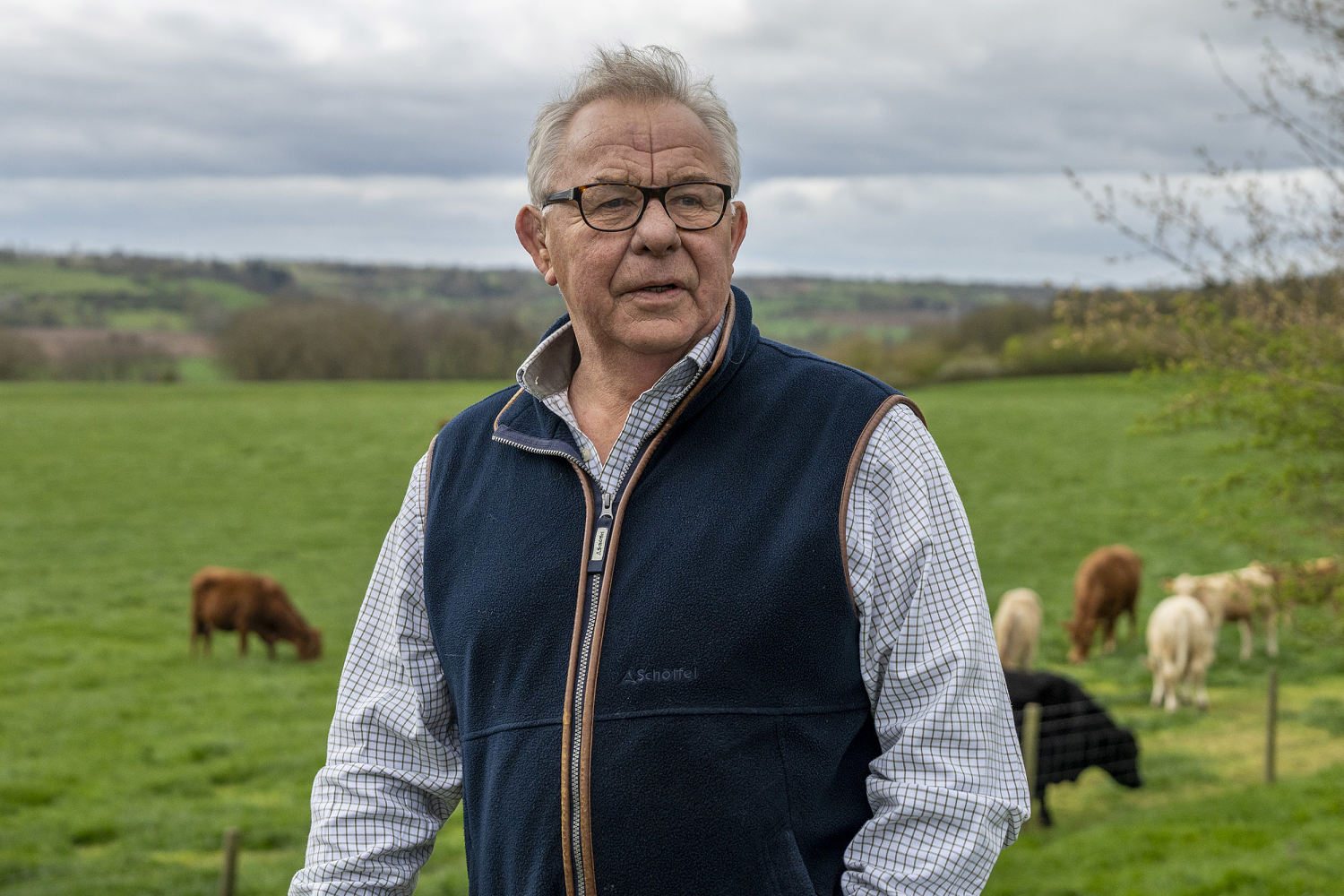
In the tranquil landscapes of eastern England, where rolling hills and ancient forests have long inspired artists and poets, the distant echoes of war in Iran are beginning to cast a shadow over the region's agricultural heart. Farmers, who have long relied on stable global markets, are now grappling with the unexpected consequences of geopolitical tensions thousands of miles away.
The Iran war, which has been raging for months, has disrupted global supply chains and caused significant fluctuations in commodity prices. For farmers in England, this means rising costs for essential inputs like fertilizers and machinery, as well as uncertainty about the availability of key labor forces. The impact is particularly felt in the agricultural communities of eastern England, where the potato fields and lush meadows have long been synonymous with rural tranquility.
One such farm, Rix Farm in Great Horkesley, is experiencing firsthand the ripple effects of the conflict. The farm, which has been in the family for generations, relies heavily on imported fertilizers and equipment from regions affected by the war. The increased costs have forced the farm to reevaluate its operations, from sourcing alternative supplies to adjusting its production schedules.
"We've always been a part of a global system, but the unpredictability now is making it hard to plan for the future," said Tom Rix, the farm's manager. "We're not just worried about our own business; we're concerned about the entire community. Many of our workers come from countries that are directly impacted by the war, and their ability to return home or bring their families here is a major concern."
The disruption is not limited to Rix Farm. Across eastern England, farmers are reporting similar challenges. The region, known for its diverse agricultural output, from potatoes to apples, is facing unprecedented difficulties in maintaining its traditional farming practices. The increased costs of production are forcing many farmers to consider cutting back on operations or even seeking alternative sources of income.
Government officials have acknowledged the situation, but the response has been slow to materialize. While some grants and subsidies have been announced to help farmers cope with the rising costs, many feel that these measures are insufficient to address the scale of the problem. The lack of a clear, long-term strategy has left farmers feeling abandoned and uncertain about their future.
In addition to the economic challenges, the war in Iran has also raised concerns about the security of food supplies. With global markets becoming more volatile, there is a growing fear that food shortages could become a reality. The impact on England's farms, which have long been a cornerstone of the country's food security, is a matter of grave concern for policymakers and the public alike.
Despite the challenges, there are signs of resilience among the farmers of eastern England. Many are turning to more sustainable practices, such as organic farming and regenerative agriculture, in an effort to reduce their dependence on external inputs. Others are exploring new markets and partnerships, seeking ways to navigate the complexities of the global economy.
The story of Rix Farm and the broader agricultural community in eastern England serves as a stark reminder of the interconnectedness of our world. While the Iran war may seem distant from the idyllic landscapes of these farms, its repercussions are felt acutely by those who toil in the soil. As the conflict continues to unfold, the question remains: will the global community find a way to mitigate its impact on vulnerable regions like eastern England, or will the farms and their communities be left to bear the brunt of the storm alone?