
Iran war's shock waves threaten England's farms 6,000 miles away
Few places feel farther from the Iran war than the potato fields of eastern England, where pastoral landscapes and ancient forests have inspired romantic painters and poets for centuries.
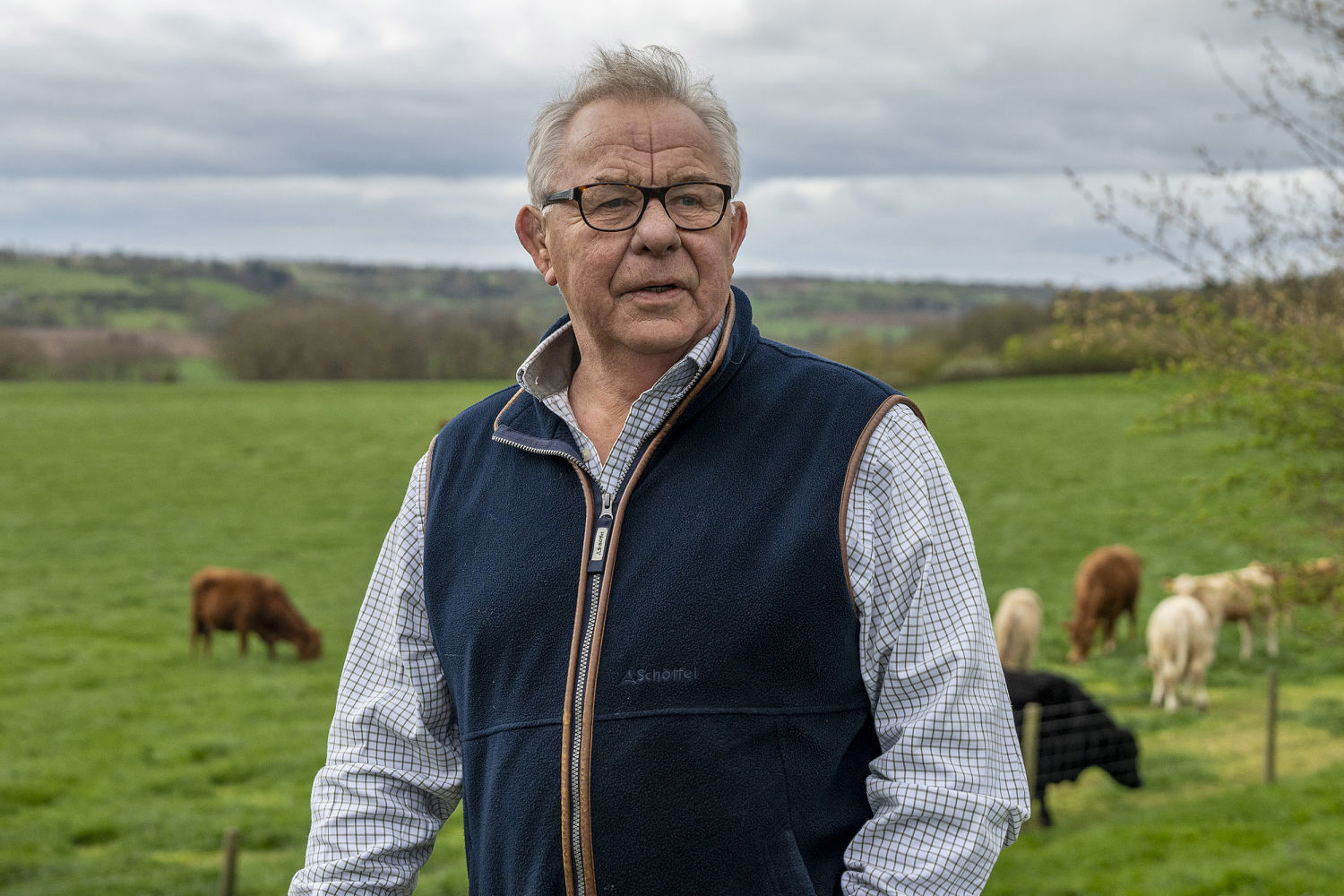
In the heart of eastern England, where rolling hills and lush green fields stretch as far as the eye can see, farmers are feeling the distant reverberations of a war that seems light-years away. The Iran war, which has been raging for months, is sending shockwaves across the globe, and even the tranquil landscapes of Suffolk—a region known for its picturesque villages, ancient forests, and romantic pastoral scenes—are not immune to its impact.
Farmers in this idyllic corner of England, where the air is filled with the scent of freshly turned soil and the sound of rustling crops, are grappling with rising costs and supply chain disruptions that have made their livelihoods precarious. The war, which has upended global markets and destabilized energy supplies, has reached out to affect even the most remote corners of the world.
One such farm is Rix Farm in Great Horkesley, a family-run operation that has been tending to its fields for generations. The farm, which grows a variety of crops, including potatoes and cereals, has been hit hard by the war's aftermath. The price of fuel, which is essential for running machinery and transporting goods, has soared, making it increasingly difficult for farmers to keep up with their expenses.
Moreover, the war has disrupted global supply chains, causing shortages of certain inputs and equipment that are crucial for farming. For instance, fertilizers and other essential chemicals have become scarce, forcing farmers to scramble for alternatives that are often more expensive or harder to source.
The situation is particularly challenging for small-scale farmers like those at Rix Farm, who lack the resources to adapt quickly to changing conditions. Many are struggling to make ends meet, and some have even considered cutting back on their operations or switching to more profitable—but less sustainable—crops.
The impact of the war on England's farms is a stark reminder of the interconnectedness of global systems. While the Iran war may seem distant from the peaceful English countryside, its effects are felt acutely by those who work the land. The farmers of Suffolk, who have long been associated with a romanticized vision of rural life, are now facing a harsh reality that challenges their way of life and livelihood.
The government has acknowledged the difficulties faced by farmers and has pledged to provide support, including subsidies and grants to help them weather the storm. However, many farmers are skeptical, pointing out that the aid is often insufficient and arrives too late. They argue that the root of the problem lies in the broader geopolitical instability caused by the war, and that a more comprehensive approach is needed to address the underlying issues.
As the war drags on, the future of England's farms remains uncertain. The farmers of Suffolk, who have long been synonymous with the nation's agricultural heritage, are now at the mercy of forces far beyond their control. The once serene landscape of the county, so beloved by artists and writers, is now a stage for a different kind of drama—one that threatens to upend the very foundations of rural life in England.
In the face of these challenges, some farmers are turning to alternative strategies to ensure their survival. Organic farming, permaculture, and community-supported agriculture are gaining traction as ways to reduce dependency on global markets and create more resilient systems. These initiatives, while not without their own challenges, offer a glimmer of hope for a sustainable future in an increasingly unpredictable world.
The Iran war, which began as a localized conflict, has now reached out to threaten the very livelihoods of those who toil in the fields of England. The shockwaves of this global conflict are a stark reminder of the fragility of our interconnected world and the urgent need for solutions that can protect both the environment and the people who depend on it.
As the war continues to unfold, the farmers of Suffolk will remain at the forefront of this struggle, their daily battles a testament to the resilience of those who work the land. Their story is not just about potatoes and ploughs, but about the enduring spirit of those who have always been the backbone of any nation's agricultural heritage.









