Iran war: South Korea aims to bypass Hormuz, send ships to Saudi port for oil
South Korea will send five Korean-flagged ships to the Saudi Arabian Red Sea port of Yanbu to help establish alternative oil supply routes to avoid the disruption in the Strait of Hormuz, a ruling MP said on Monday. Oil prices have surged amid the US-Israeli war on Iran, raising growth and inflation risks for South Korea, which relies on Middle Eastern crude for around 70 per cent of its imports. Iran has effectively closed the Strait of Hormuz – a critical route for global crude oil and gas –...
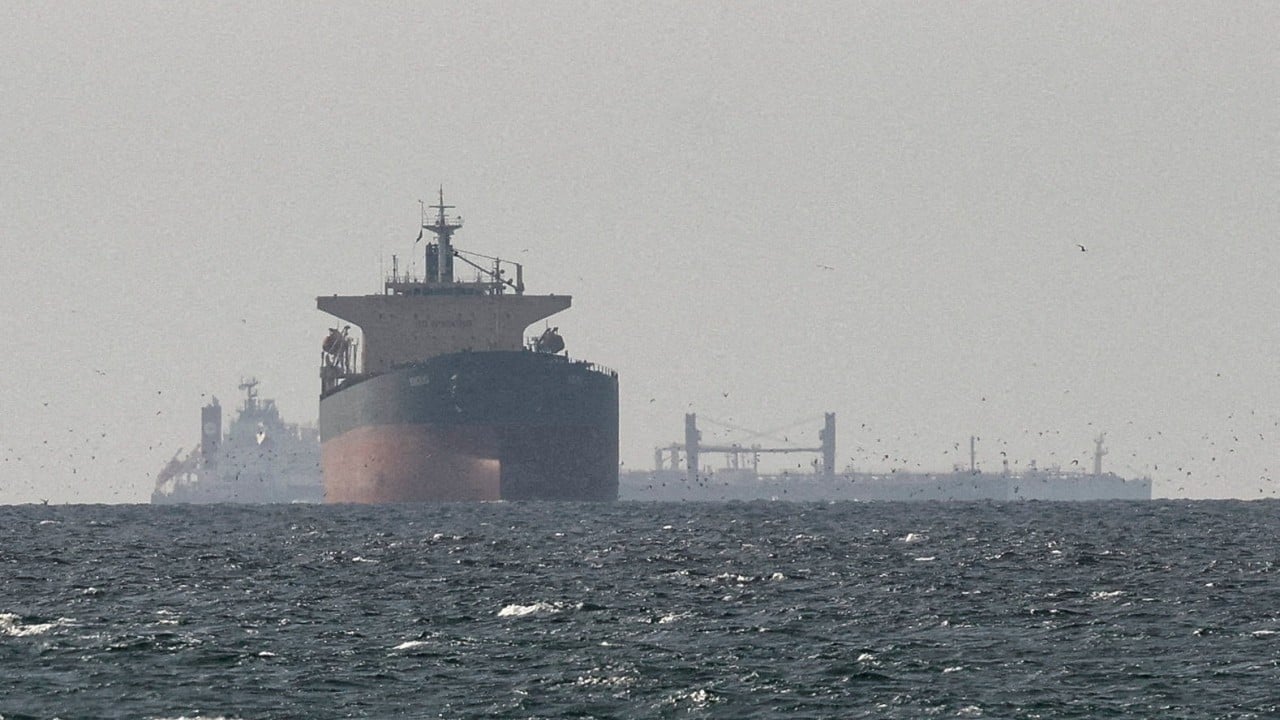
As tensions escalate in the Middle East due to the ongoing conflict between the United States and Israel against Iran, South Korea is taking proactive steps to secure alternative oil supply routes. In response to the disruption in the Strait of Hormuz, a critical chokepoint for global crude oil and gas, South Korea has announced plans to send five Korean-flagged ships to the Saudi Arabian Red Sea port of Yanbu. This move aims to help establish alternative routes to ensure a steady flow of oil, given that South Korea relies on Middle Eastern crude for approximately 70% of its imports.
The decision was revealed by a ruling MP on Monday, highlighting the urgency of the situation. The Strait of Hormuz has effectively been closed by Iran, leading to significant surges in oil prices. These price increases pose substantial growth and inflation risks for South Korea, which is heavily dependent on stable oil supplies to maintain its economy.
The port of Yanbu, located on the western coast of Saudi Arabia, serves as a strategic alternative to the Strait of Hormuz. By utilizing this port, South Korea can bypass the contested waterway and secure oil shipments through the Red Sea. This shift not only addresses the immediate disruption caused by Iran but also demonstrates South Korea's commitment to diversifying its energy sources and reducing its reliance on the Strait of Hormuz.
The move to Yanbu is part of a broader effort by South Korea to enhance its energy security. The country has been exploring various options to mitigate the risks associated with the Strait of Hormuz, including increasing its domestic production of natural gas and investing in renewable energy sources. However, given the current geopolitical situation, establishing alternative supply routes remains a critical priority.
The decision to send ships to Yanbu also underscores South Korea's diplomatic efforts to maintain strong relationships with key players in the region. By working closely with Saudi Arabia, South Korea can ensure a stable supply of oil while contributing to regional stability. This collaboration is particularly important in the context of the ongoing conflict, as it helps to alleviate pressure on the Strait of Hormuz and promote a more balanced energy market.
In the long term, South Korea's strategy to bypass the Strait of Hormuz and diversify its energy sources could have significant implications for global oil markets. By establishing alternative routes, South Korea is not only safeguarding its own energy security but also contributing to the broader goal of reducing dependence on the Strait of Hormuz. This could lead to increased competition among alternative ports and potentially drive down oil prices, benefiting consumers worldwide.
However, the challenges associated with implementing this strategy cannot be underestimated. Establishing new supply routes requires significant investment in infrastructure, logistics, and security measures. Additionally, the decision to bypass the Strait of Hormuz may have geopolitical repercussions, as it could further strain relations between Iran and its regional neighbors.
Despite these challenges, South Korea's proactive approach to securing alternative oil supplies demonstrates its resilience and adaptability in the face of geopolitical uncertainties. By leveraging its diplomatic ties and exploring innovative solutions, South Korea is positioning itself to navigate the complexities of the current energy landscape and safeguard its economic stability.
In conclusion, South Korea's decision to send ships to the Saudi Arabian port of Yanbu represents a strategic response to the disruption in the Strait of Hormuz. This move highlights the country's commitment to diversifying its energy sources and enhancing its energy security amid escalating tensions in the Middle East. While the implementation of alternative supply routes poses significant challenges, South Korea's proactive approach is a testament to its determination to adapt to the evolving global energy landscape and ensure a stable supply of oil for its economy.