
Iran War Live Updates: Trump’s Hormuz Deadline Hangs Over the Middle East
President Trump has threatened to destroy Iran’s bridges and power plants on Tuesday night Eastern time if it does not open the Strait of Hormuz. There have been no public signs of a diplomatic breakthrough.
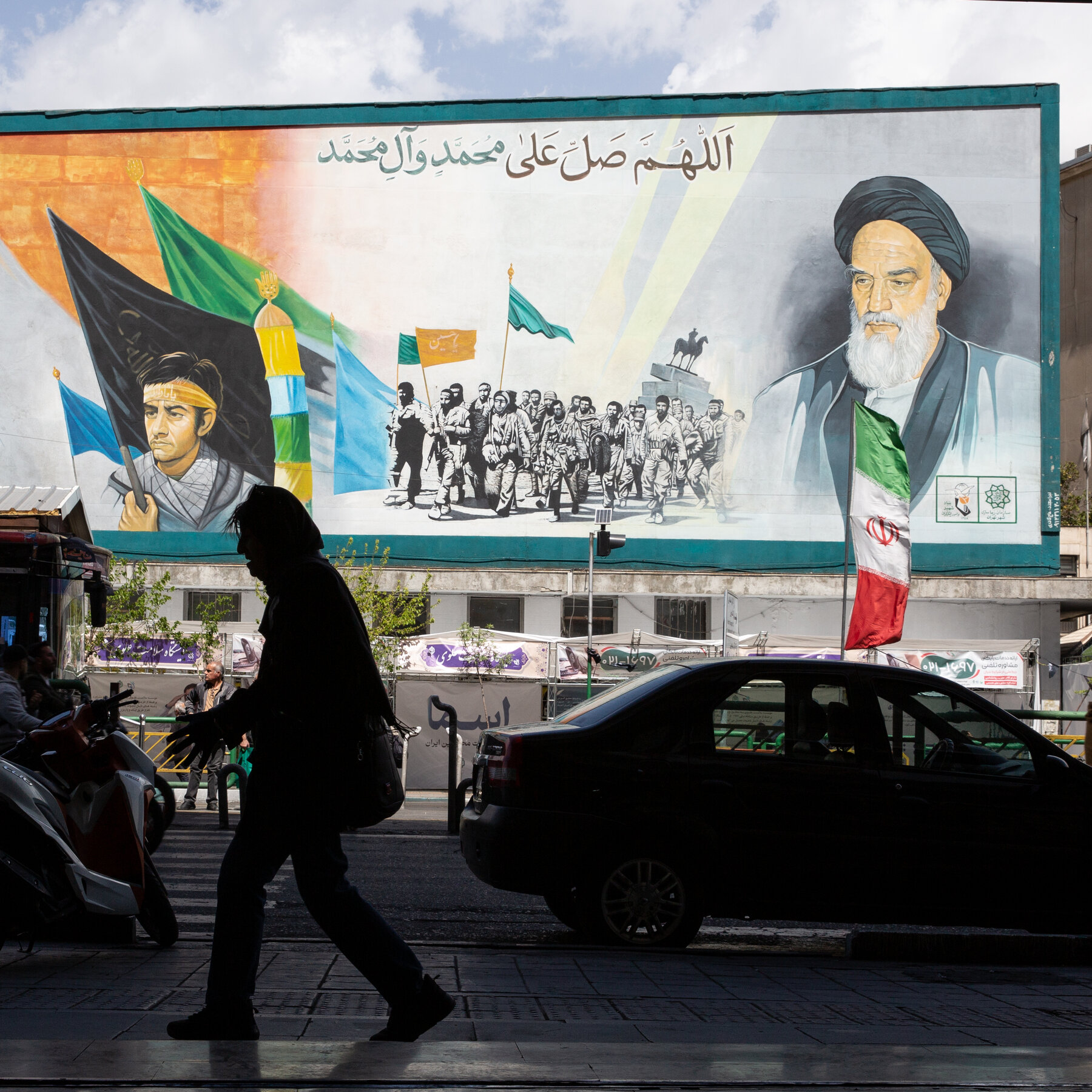
Tensions in the Middle East have escalated as President Trump’s ultimatum to Iran looms large, threatening to disrupt global oil supplies and potentially trigger a full-scale conflict. The U.S. president’s demand for Iran to open the Strait of Hormuz, a critical chokepoint for international maritime trade, has left the region on edge, with no signs of diplomatic progress to ease the mounting pressure.
The Strait of Hormuz, a narrow waterway between the Persian Gulf and the Gulf of Oman, is a vital artery for global oil transport, with approximately 30% of the world’s daily crude oil supply passing through it. This makes the strait a strategic asset, and its control has long been a point of contention between Iran and other regional powers.
Trump’s threat, delivered on Tuesday night Eastern time, comes after a series of provocative actions by both sides. In recent weeks, there have been reports of increased naval activity in the region, with the U.S. and Iran engaging in a tense standoff. The U.S. has deployed additional warships and aircraft carriers to the area, while Iran has accused the U.S. of supporting regional terrorism and threatened retaliation.
The Trump administration has accused Iran of attempting to choke off the Strait of Hormuz, citing intelligence that suggests the country is preparing to sabotage oil tankers passing through the strait. In response, the U.S. has warned that it will take military action if necessary to protect U.S. interests and ensure the free flow of maritime traffic.
Despite these threats, there have been no public indications that Iran is prepared to back down. Iranian officials have dismissed the U.S. warnings as bluff and reaffirmed their commitment to defend the strait, which they consider a vital part of their national security.
The situation has raised concerns among global oil markets, as any disruption to the Strait of Hormuz could lead to a sharp increase in oil prices. This, in turn, could have significant economic implications for countries reliant on imported oil, including the U.S. and Europe.
Diplomatic efforts to resolve the crisis have so far yielded no concrete results. The United Nations and other international organizations have called for dialogue and de-escalation, but both sides remain dug in. The absence of a diplomatic breakthrough has only heightened the urgency of the situation, with Trump’s deadline looming.
As the deadline approaches, the international community is watching closely, hoping for a last-minute diplomatic solution. However, the lack of visible progress raises questions about the feasibility of such an outcome. The region’s instability, coupled with the deep-seated distrust between the U.S. and Iran, makes the prospects for a peaceful resolution uncertain.
In the meantime, the U.S. and its allies are stepping up their military presence in the region, preparing for potential contingencies. Meanwhile, Iran has continued to build its military capabilities, further complicating the situation.
The situation in the Middle East remains precarious, with the threat of conflict hanging over the region. As Trump’s deadline approaches, the world watches nervously, hoping for a resolution that can prevent a full-scale war and ensure the stability of global oil markets.









