
Iran war live: Tehran says response to ceasefire proposals formulated
Iran says no direct talks during escalating US-Israeli attacks as Trump's Hormuz deadline looms.
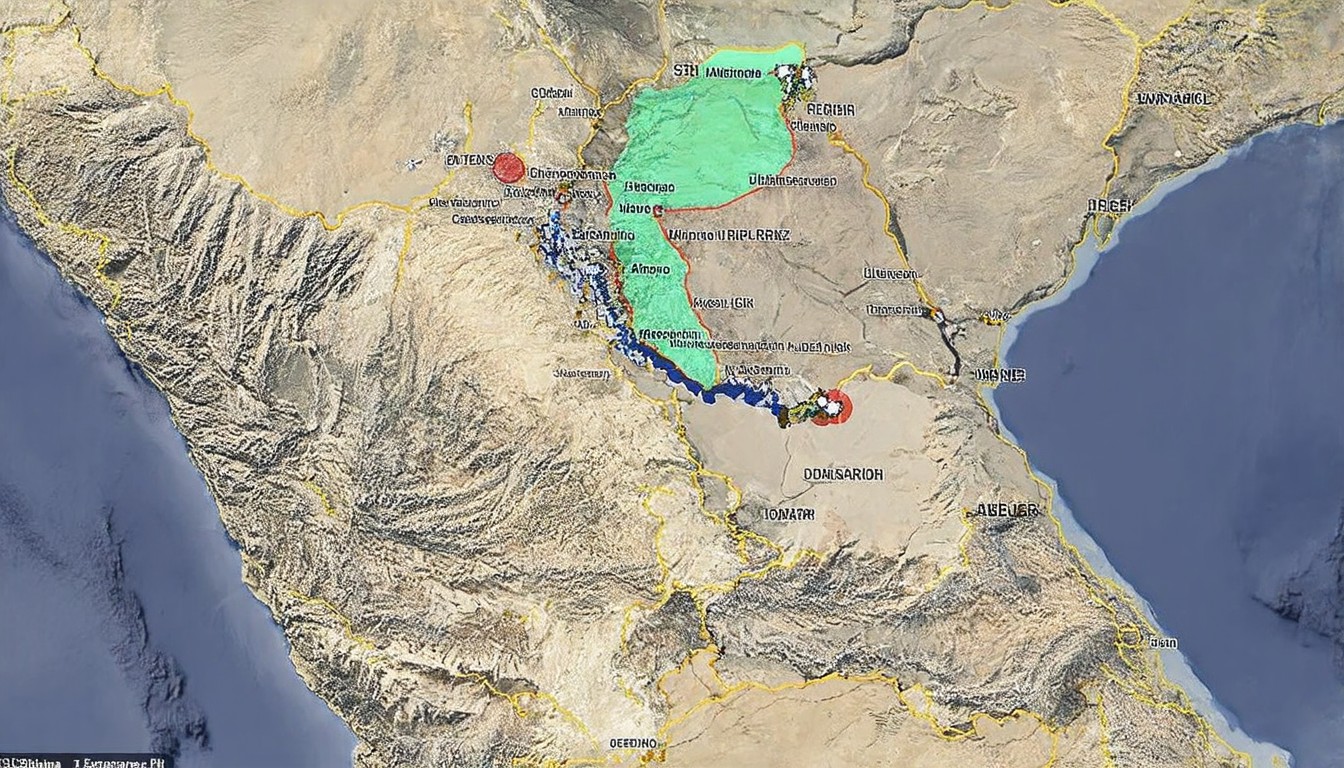
Iran has stated that it has formulated a response to recent ceasefire proposals, as tensions escalate in the region amid ongoing US-Israeli attacks. The situation comes as President Donald Trump's deadline for Iran to leave the Gulf of Hormuz approaches, adding pressure to the already volatile situation.
In a statement released by the Iranian Ministry of Foreign Affairs, officials emphasized that there will be no direct negotiations with the United States or Israel at this time. The decision to avoid direct talks is seen as a response to the increasing intensity of airstrikes and military actions targeting Iranian interests, which have been attributed to US and Israeli forces.
The escalation of violence has been marked by a series of attacks on Iranian-affiliated groups and infrastructure in Iraq, Syria, and Lebanon. These attacks have been condemned by Iran as acts of aggression, with Tehran warning of severe consequences if the attacks continue.
The Trump administration has been pushing for Iran to abandon its nuclear program and withdraw from the Gulf of Hormuz, citing concerns over Iran's regional influence and its support for terrorist groups. However, Iran has repeatedly rejected these demands, arguing that its nuclear program is peaceful and its presence in the Gulf is legitimate.
The recent ceasefire proposals, which have been put forward by international mediators, aim to de-escalate the situation and prevent further conflict. However, Iran's refusal to engage in direct talks with the US and Israel raises questions about the viability of these proposals.
In the meantime, the Trump administration has set a deadline for Iran to leave the Gulf of Hormuz, with Secretary of State Mike Pompeo warning that the US will take "decisive action" if Iran does not comply. This deadline has only served to heighten tensions, with Iran vowing to defend its sovereignty and territorial integrity.
The situation in the Gulf of Hormuz is of particular concern due to its strategic importance. The strait is a critical chokepoint for global oil shipments, with an estimated 30% of world oil passing through it. Any disruption to this vital trade route could have severe economic consequences for global markets.
As the situation continues to escalate, there is growing concern about the potential for a full-blown conflict between the US, Israel, and Iran. Regional allies, such as Saudi Arabia and the United Arab Emirates, have called for de-escalation and diplomatic solutions, but the current trajectory of events does not bode well for peace.
In the coming days, it will be crucial to see how Iran's formulated response to the ceasefire proposals plays out. Whether Tehran is willing to engage in indirect negotiations or escalate further remains uncertain. One thing is clear, however: the situation in the Gulf of Hormuz is at a tipping point, and any misstep could lead to catastrophic consequences.
As the Trump administration's deadline approaches, the international community is closely monitoring the situation, hoping for a diplomatic resolution that can prevent further violence and protect global interests. The stakes are high, and the world watches nervously as tensions continue to mount.









