
Iran War Delays Vital Reproductive Aid for Women Across the Globe
The UNFPA warns that delays stemming from the Iran conflict could limit access to critical resources for at least 18,000 pregnant women.
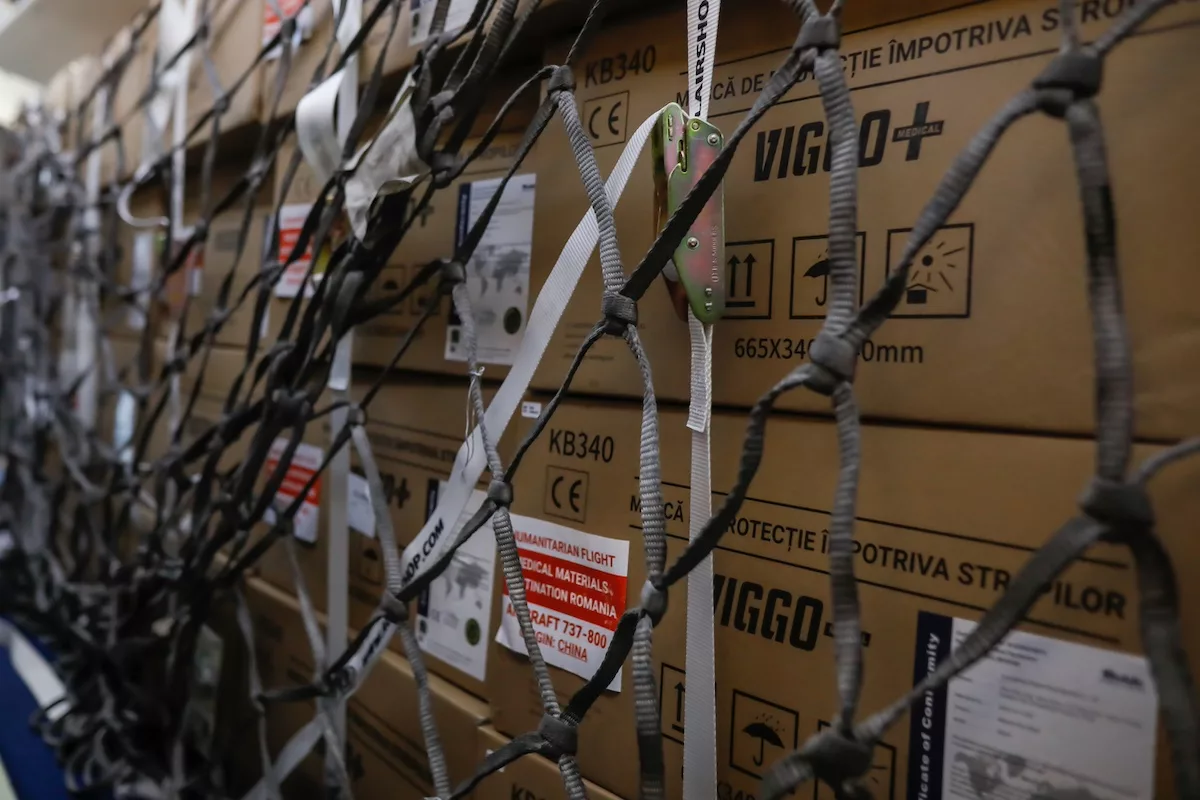
The escalating tensions in the Iran conflict have begun to cast a shadow over global health initiatives, particularly those aimed at supporting pregnant women in need. The United Nations Population Fund (UNFPA) has recently issued a stark warning, highlighting that delays caused by the ongoing conflict could severely restrict access to vital reproductive aid for at least 18,000 pregnant women worldwide. This crisis underscores the delicate balance between regional geopolitics and the well-being of millions of women and their families.
The Iran conflict, which has been simmering for months, has disrupted supply chains and logistical networks, particularly in the Middle East and neighboring regions. These disruptions have had a ripple effect, affecting the distribution of essential medical supplies, including those required for prenatal care, childbirth, and postnatal support. The UNFPA has emphasized that these delays are not only a threat to the health of pregnant women but also to the overall reproductive health of communities reliant on these services.
In regions such as Iraq, Syria, and Lebanon, where the conflict has already caused significant humanitarian crises, the situation is particularly dire. These countries have already faced challenges in providing adequate healthcare services due to ongoing instability, and the recent disruptions have exacerbated these issues. The UNFPA has reported that many healthcare facilities are struggling to maintain their operations, leading to a shortage of essential medicines, equipment, and trained personnel.
The impact of these delays extends beyond the Middle East, as many countries rely on imports from the region for critical reproductive health supplies. The UNFPA has warned that the global supply chain for medical equipment and medications used in childbirth and maternal care is at risk. This could lead to a shortage of life-saving tools such as cesarean section instruments, blood transfusion equipment, and pain management drugs.
Moreover, the conflict has also disrupted the work of international organizations dedicated to reproductive health. The UNFPA and other NGOs have had to divert resources and personnel to address the immediate humanitarian needs of the affected populations. This shift in focus has left gaps in the delivery of long-term reproductive health programs, which are crucial for reducing maternal and infant mortality rates.
The situation is further complicated by the ongoing COVID-19 pandemic, which has already strained healthcare systems worldwide. The additional burden of reproductive health crises poses a significant challenge to governments and healthcare providers, who are already grappling with the dual pressures of managing the pandemic and addressing the humanitarian needs of conflict-affected populations.
In response to these challenges, the UNFPA has called for urgent international attention and support. The organization has urged governments and donors to prioritize funding for reproductive health initiatives in conflict zones, ensuring that essential supplies and services are made available to those in need. The UNFPA has also emphasized the importance of maintaining open communication channels and secure passage for humanitarian aid workers, who are often the only lifeline for vulnerable populations.
The crisis in the Iran conflict serves as a stark reminder of the interconnectedness of global health and geopolitics. While the focus remains on the immediate humanitarian needs of those affected, it also underscores the need for long-term strategies to address reproductive health disparities. By investing in robust healthcare systems and prioritizing the well-being of women and children, the international community can work towards building a more equitable and sustainable future for all.
As the situation continues to evolve, the UNFPA and other humanitarian organizations are working tirelessly to mitigate the impacts of the conflict on reproductive health. However, the scale of the challenge is immense, and it will require a concerted global effort to ensure that pregnant women and their families are not left behind in the shadow of regional tensions. The stakes are high, and the need for swift and decisive action cannot be overstated.








