Iran, U.S. Reject Cease-Fire Proposals
Trump has given Tehran 24 hours to agree to a peace deal and reopen the Strait of Hormuz or else face massive strikes.
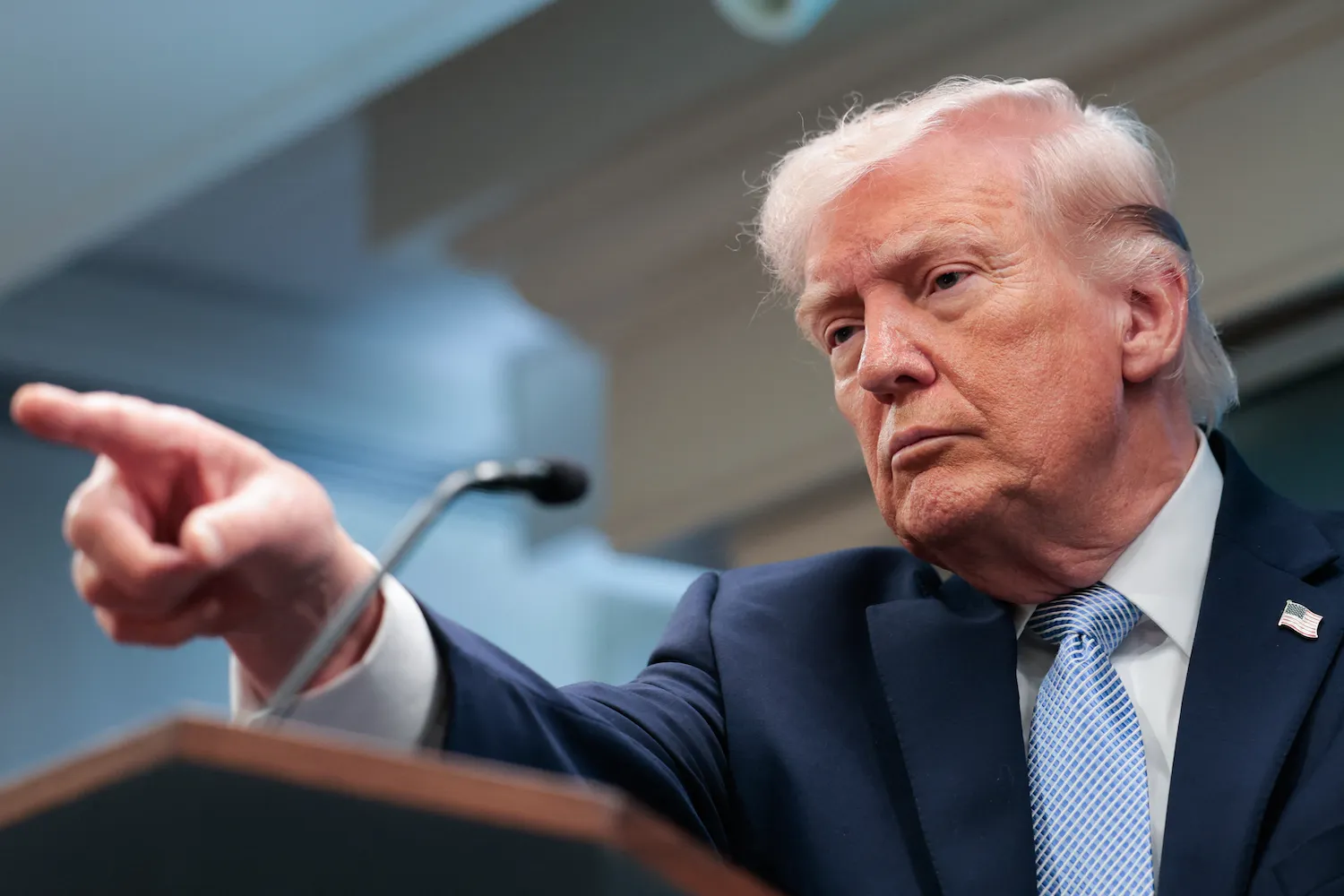
In a tense standoff between Iran and the United States, both nations have rejected recent cease-fire proposals, escalating tensions in the Middle East. President Donald Trump has issued a 24-hour ultimatum to Tehran, demanding that they agree to a peace deal and reopen the strategically vital Strait of Hormuz, or face "massive strikes" in response to ongoing hostilities. This dramatic escalation follows weeks of heightened tensions between the two adversaries, with both sides accusing each other of aggression and threatening retaliation.
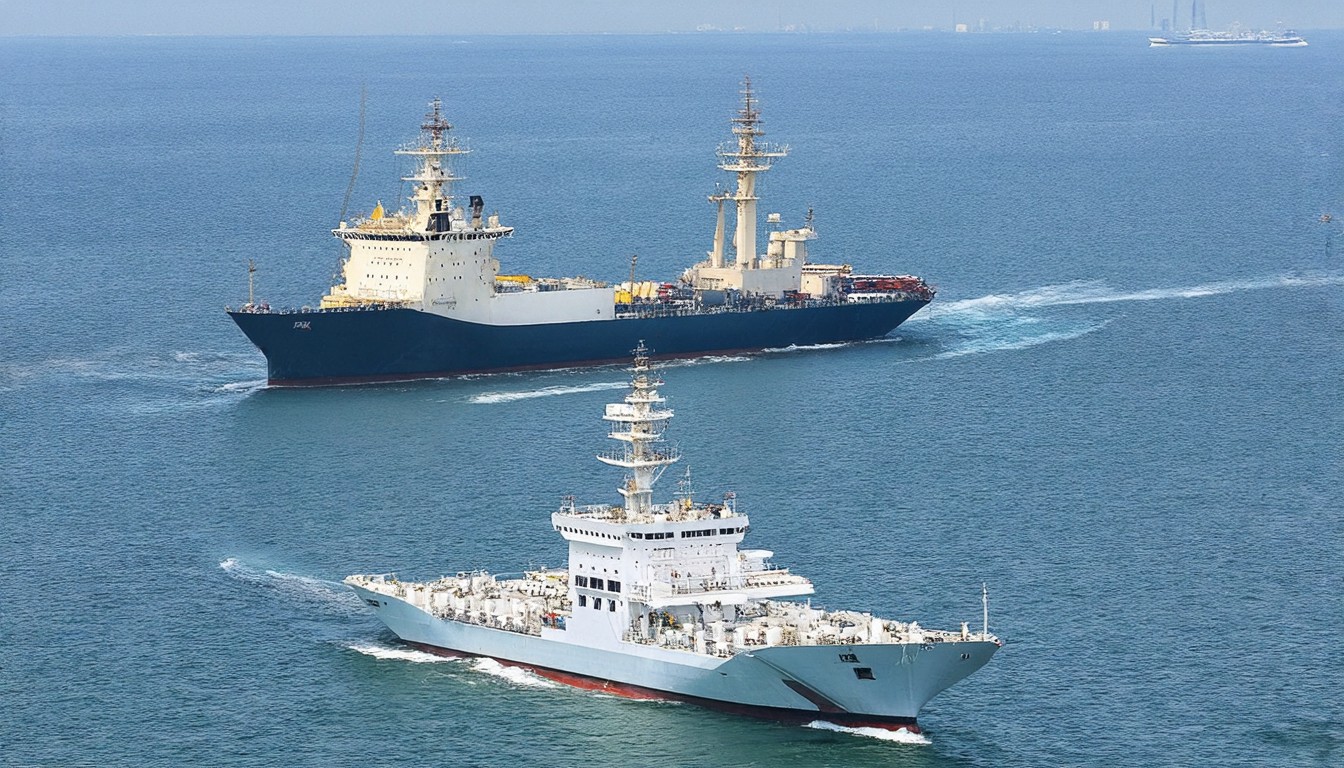
The Strait of Hormuz, a narrow waterway connecting the Persian Gulf to the Gulf of Oman, is a critical chokepoint for global oil shipments, with approximately 30% of the world's daily oil supply passing through it. Its closure or disruption could have severe consequences for global energy markets, potentially triggering price spikes and economic instability. The Trump administration has long viewed Iran's actions in the region as a threat to U.S. interests and has sought to curb Tehran's influence through a combination of diplomatic pressure, economic sanctions, and military posturing.
In recent weeks, tensions have surged after a series of incidents involving U.S. and Iranian forces in the region. These include the alleged attack on two U.S. oil tankers in June, which the U.S. blamed on Iranian-linked forces, and the downing of a U.S. drone by Iranian forces in July. Both nations have accused each other of aggression and have deployed additional military assets to the area, further inflaming the situation.
The recent cease-fire proposals, which have been rejected by both Iran and the U.S., were aimed at de-escalating the situation and finding a diplomatic path forward. However, Trump's ultimatum suggests that the U.S. is prepared to take military action if Tehran does not comply with its demands. This stance has been met with concern from international observers, who warn that any military escalation could lead to a full-blown conflict with far-reaching consequences.
Iran, for its part, has dismissed the U.S. ultimatum as a bluff and has vowed to defend its sovereignty and territorial integrity. Tehran has also accused the U.S. of attempting to destabilize the region and undermine its influence, and has warned that any attack on Iran would be met with a robust response. The Iranian government has emphasized its right to defend its territorial waters and has condemned U.S. actions as provocative and unjustified.
The situation in the region is further complicated by the involvement of other key players, including regional allies of both nations. Saudi Arabia, a close U.S. ally, has expressed concern over the escalating tensions and has called for diplomatic solutions to resolve the conflict. Meanwhile, Iran's allies, such as Hezbollah and other Shia militias, have also taken a hard line, vowing to support Tehran in the event of a U.S. attack.
The rejection of cease-fire proposals and the imposition of the 24-hour ultimatum highlight the deep-seated mistrust and hostility between Iran and the U.S. Both nations have struggled to find common ground in their long-standing rivalry, with each side viewing the other as a primary threat to its regional and global interests. The stalemate has left the international community on edge, as the prospect of a full-scale conflict looms large.
As the 24-hour deadline approaches, diplomats and analysts are urging both sides to exercise restraint and engage in meaningful dialogue. The stakes are high, with the potential for a regional conflict that could spill over into a broader Middle Eastern crisis, affecting not only the U.S. and Iran but also its allies and partners. The international community is closely monitoring the situation, hoping for a diplomatic breakthrough that can avert further escalation and pave the way for a lasting peace.
In the meantime, the U.S. and Iran remain locked in a tense standoff, with both sides preparing for the possibility of military action. The future of the region and the global oil supply hangs in the balance, as the two adversaries grapple with the complexities of their rivalry and the challenges posed by the current crisis. The world watches nervously, hoping for a resolution that can prevent the situation from spiraling out of control.