
Iran threatens ‘Stargate’ AI data centers
Iran said it will target U.S.-linked data centers with new missile strikes, as the war between the U.S. and Iran escalates.
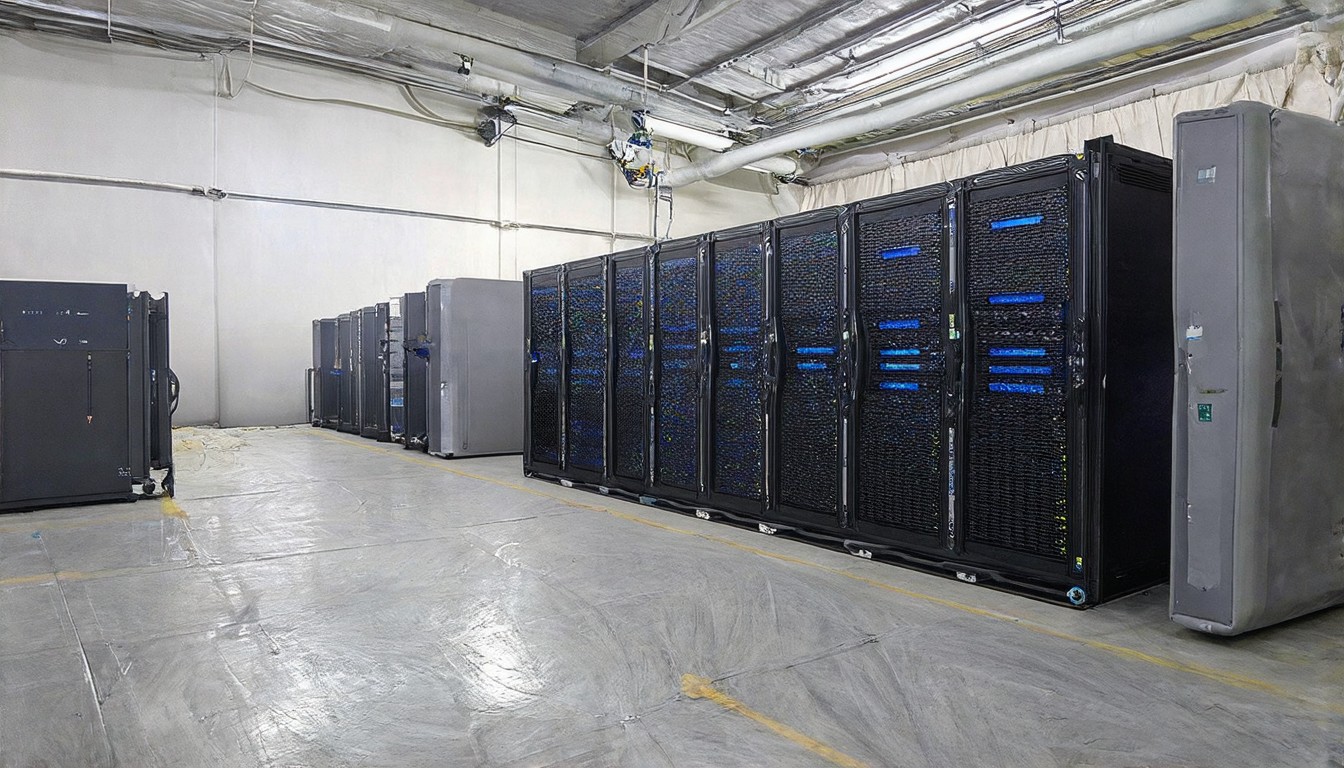
Iran has recently escalated its threats against U.S.-linked data centers, branding them as potential targets for new missile strikes. This move comes as tensions between the two nations continue to rise, with both sides engaging in increasingly aggressive actions. The announcement underscores the growing complexity of the conflict, as it now extends beyond traditional military confrontations to include cyber and technological domains.
The U.S. has long been a significant player in the development and management of advanced data centers, which are critical for various sectors, including defense, intelligence, and economic activities. These facilities, often referred to as "Stargate" AI data centers, are equipped with cutting-edge technology that enables rapid data processing and analysis. They are considered vital for maintaining a competitive edge in today's digital age.
Iran's decision to target these data centers signals a shift in its strategic approach. Previously, the country has primarily focused on direct military engagements and targeted attacks on U.S. interests in the Middle East. However, the recent threats against data centers indicate a broader strategy aimed at disrupting the U.S. infrastructure and capabilities. By striking at these facilities, Iran hopes to cripple the U.S. ability to conduct operations, gather intelligence, and coordinate military actions.
The U.S. has not yet responded directly to these threats, but officials have expressed concern over the escalating situation. Some experts believe that the U.S. may retaliate in kind, potentially leading to a dangerous cycle of retaliatory attacks. Others argue that the U.S. should focus on strengthening its cyber defenses and ensuring the resilience of its critical infrastructure.
The situation is further complicated by the involvement of third-party entities. Many of the data centers in question are operated by private companies with global reach, meaning that an attack on these facilities could have far-reaching consequences beyond the U.S. and Iran. This raises questions about the potential impact on international relations and the stability of global supply chains.
In addition to the immediate threats posed by missile strikes, the conflict also highlights the broader challenges posed by cyber warfare. As both nations invest heavily in advanced technologies, the stakes for cyber attacks are higher than ever. A successful breach or disruption of a data center could have severe consequences, including the loss of sensitive information, operational downtime, and damage to national security.
The U.S. and Iran have a history of tense relations, dating back to the 1979 Islamic Revolution. Recent events, such as the U.S. withdrawal from the Iran nuclear deal and the assassination of high-ranking Iranian officials, have further exacerbated tensions. The threat of missile strikes against data centers is the latest chapter in this complex and ongoing conflict.
As the situation continues to evolve, it remains unclear how the two nations will respond to these escalating threats. Some analysts suggest that diplomatic efforts may be necessary to de-escalate the situation and prevent further escalation. Others argue that the conflict is too deeply entrenched to be resolved through dialogue alone.
In the meantime, the focus for both nations should be on ensuring the security of their critical infrastructure and maintaining operational resilience. The threat against data centers serves as a stark reminder of the growing importance of cybersecurity in today's interconnected world. As the conflict between the U.S. and Iran intensifies, the stakes for all involved become increasingly high, and the potential for unintended consequences grows.
The situation is closely being watched by the international community, with many nations expressing concern over the escalating tensions. The threat against data centers underscores the need for global cooperation in addressing cybersecurity challenges and preventing the escalation of conflicts into unpredictable territories.
In conclusion, Iran's threat to target U.S.-linked data centers with missile strikes marks a significant escalation in the ongoing conflict between the two nations. This move not only highlights the growing complexity of the conflict but also emphasizes the critical role of cybersecurity in modern warfare. As tensions continue to rise, the international community must remain vigilant and prepared to address the potential consequences of such actions. The stakes are high, and the path forward will require careful consideration and strategic planning from all parties involved.









