
Iran targets M365 accounts with password-spraying attacks
Researchers say some targets correlate with cities hit by Iranian missile strikes Suspected Iran-linked threat actors are conducting password-spraying attacks against hundreds of organizations, primarily Middle Eastern municipalities, in campaigns that security researchers believe may have been aimed at supporting bomb-damage assessment following missile strikes.…
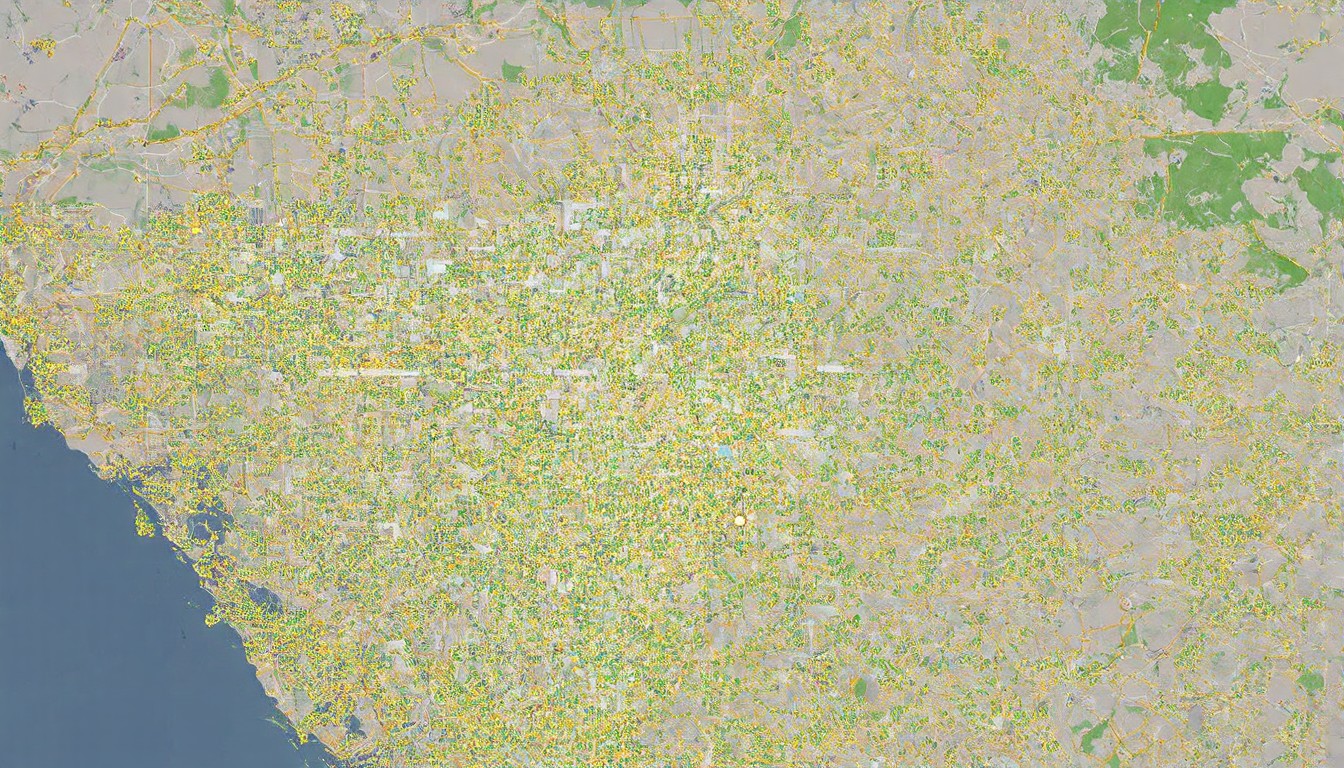
In recent weeks, security researchers have uncovered a sophisticated campaign targeting Microsoft 365 (M365) accounts with password-spraying attacks, primarily affecting organizations in Middle Eastern municipalities. The suspected Iran-linked threat actors behind these attacks are believed to be using the compromised accounts to assess damage caused by missile strikes in the region.
Password-spraying attacks involve using a single password across multiple accounts, often combined with common usernames like "admin" or "user." This method is effective when organizations fail to enforce strong password policies or implement proper account lockouts after repeated failed login attempts. In this case, the attackers are leveraging these vulnerabilities to gain unauthorized access to M365 accounts, which can include email, file sharing, and collaboration tools.
Initial findings indicate that the primary targets of these attacks are Middle Eastern municipalities, particularly those that have recently experienced Iranian missile strikes. Researchers have noted a correlation between the timing of the attacks and the occurrence of these strikes, suggesting that the threat actors may be using the compromised accounts to gather intelligence on the extent of the damage.
One theory is that the attackers are exploiting the chaos and disruption caused by the missile strikes to infiltrate affected organizations' digital infrastructure. By compromising M365 accounts, they can access sensitive information, disrupt communications, and potentially manipulate data related to the damage assessment process. This could provide valuable intelligence to the attackers' sponsors, enabling them to better understand the impact of their military actions.
Security researchers have raised concerns about the potential consequences of these attacks. In addition to the immediate damage to targeted organizations, the long-term effects could include eroded trust in digital services, increased cybersecurity costs, and a broader destabilization of the region's critical infrastructure. Furthermore, the use of password-spraying attacks highlights the urgent need for organizations to adopt stronger security practices, such as multi-factor authentication and regular password changes.
The connection between the attacks and Iranian missile strikes raises questions about the involvement of state-sponsored actors in cyber operations. While not all cyberattributions are definitive, the evidence in this case points to a sophisticated, state-backed campaign. This trend is not unique to Iran; other nation-states have also been known to employ cyber tactics to support their military and political objectives.
In response to these threats, organizations in the Middle East and beyond must prioritize cybersecurity measures. Implementing robust password policies, enabling account lockouts after multiple failed login attempts, and deploying advanced threat detection systems can help mitigate the risks posed by password-spraying attacks. Additionally, collaboration between security researchers, law enforcement, and international organizations is crucial to identify and counter such sophisticated campaigns.
As the digital landscape continues to evolve, so too do the tactics employed by threat actors. The recent wave of password-spraying attacks against M365 accounts serves as a stark reminder of the need for vigilance and proactive cybersecurity measures. By addressing these vulnerabilities, organizations can better protect themselves from the growing threats posed by state-sponsored cyber operations.









