
Home TechnologyIran Strikes Leave Amazon Availability Zones “Hard...
Technology⭐ Featured

Iran Strikes Leave Amazon Availability Zones “Hard Down” in Bahrain and Dubai, Per Internal AWS Communication

Amazon tells its employees to deprioritize these regions as the Iran war deals meaningful damage to its infrastructure in the Gulf.
7 April 2026 at 08:12 am
1 views
Iran Strikes Leave Amazon Availability Zones “Hard Down” in Bahrain and Dubai, Per Internal AWS Communication

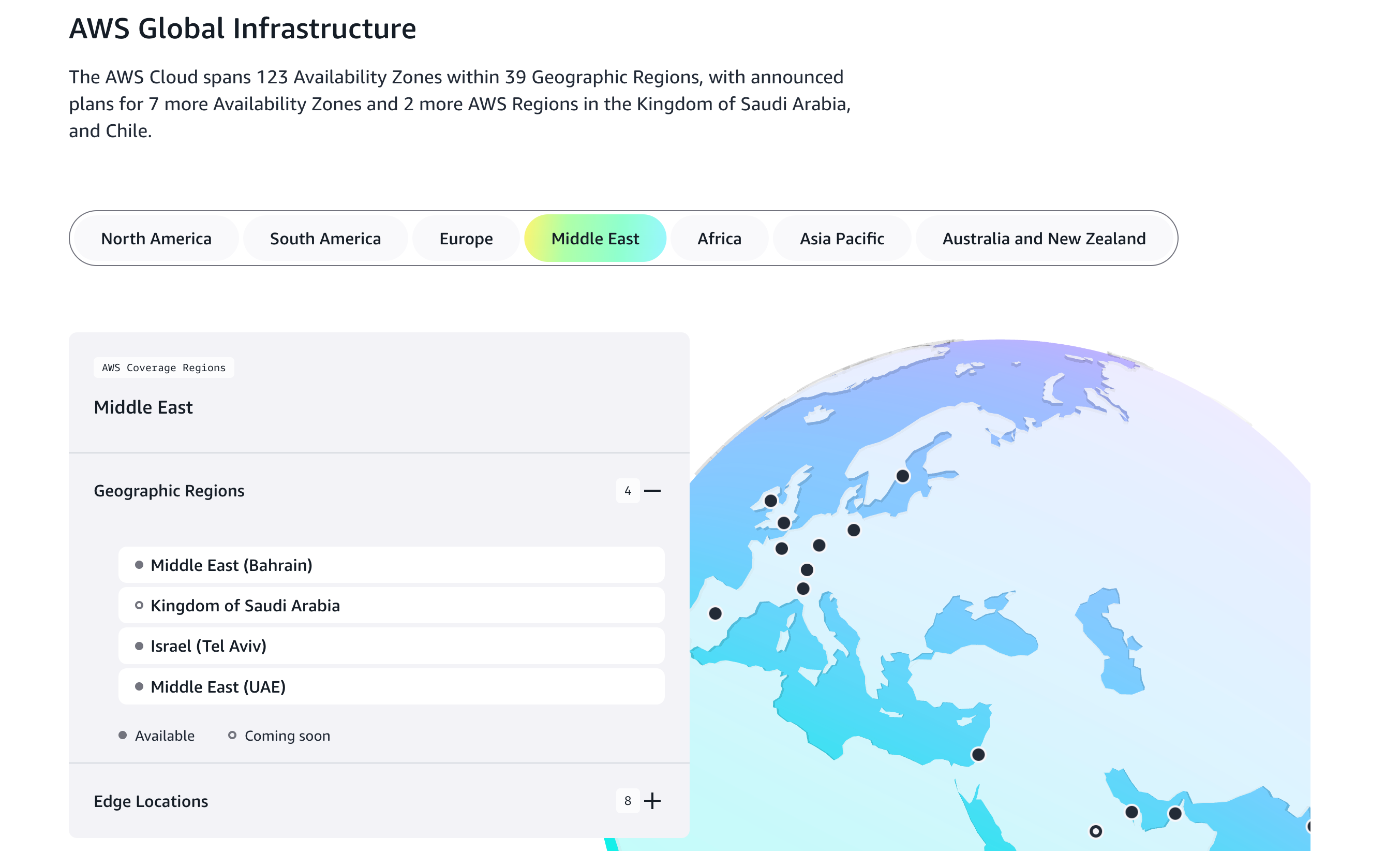
Iranian military actions have caused significant disruptions to Amazon Web Services (AWS) availability zones in Bahrain and Dubai, leaving them "hard down" and impairing services in the region, according to internal AWS communications. The strikes have resulted in extensive damage to AWS infrastructure in the Gulf, prompting Amazon to advise its employees to deprioritize these regions.

The internal memo, reviewed by Big Technology, states that the two affected regions continue to be impaired, and services should not expect normal levels of redundancy and resiliency. Amazon is actively working to free up capacity in the region for customers and has advised them to scale their services to the minimal footprint required to support migration to other regions.

In a statement, an Amazon spokesperson referred to a blog post about the disruptions, emphasizing that the company is supporting affected customers by helping them migrate to alternate AWS regions. Many customers have already successfully moved their applications to other parts of the world. The spokesperson also urged customers with workloads in the affected regions to continue migrating to other locations as the situation evolves.

The attacks on AWS infrastructure in Bahrain and Dubai have come as Iran's military campaign in the region nears its sixth week. The Islamic Revolutionary Guard Corps (IRGC) has targeted AWS facilities in both countries, with multiple strikes causing significant damage. In Bahrain, a recent strike resulted in a fire, while facilities in the United Arab Emirates (UAE) have also sustained multiple hits.

Iran's focus on AWS infrastructure in the Gulf is part of a broader economic targeting strategy against U.S. tech giants. The IRGC has threatened other major tech companies, including Microsoft, Google, and Apple. Both Bahrain and Dubai have three "availability zones" or clusters of compute, with two zones in each location being "hard down" and one being "impaired but functioning," according to the internal communication.

The extent of the damage and the timeline for recovery are not yet clear, but the situation highlights the vulnerability of critical infrastructure in the region. As the conflict continues, the impact on global technology companies and their customers is likely to persist, with many businesses facing challenges in maintaining their operations and ensuring uninterrupted service.

Amazon's response to the disruptions underscores the importance of having robust disaster recovery plans and the need for companies to diversify their infrastructure across multiple regions. The situation also serves as a reminder of the geopolitical risks that can affect technology companies operating in conflict zones.

In the coming days and weeks, it will be crucial for AWS and other affected companies to manage the migration of their customers' workloads and ensure that services are restored as quickly and efficiently as possible. The ongoing conflict in the Gulf region and the potential for further attacks on critical infrastructure will continue to pose significant challenges for businesses reliant on these services.

As the situation evolves, Amazon and other tech companies will need to adapt their strategies to mitigate the impact of such disruptions and ensure the resilience of their global operations. The current crisis in the Gulf serves as a stark reminder of the complex interplay between geopolitical tensions and the global technology landscape.


📰 Related News
Ekaya Banaras Founder Palak Shah’s ₹40 Lakh Billboard Mistake Became a Masterclass in Startup Marketing
Ekaya Banaras founder Palak Shah recently opened up about one of the most expensive mistakes she made while building her luxury textile brand. During the early years of the company, Shah rented a premium billboard near Delhi’s DLF Emporio to increase brand visibility. However, after forgetting to cancel the campaign, the hoarding reportedly continued running for months — resulting in losses of nearly ₹40 lakh. The incident has now become a viral example of how small operational oversights can turn into costly business lessons for startups and entrepreneurs.
28 May
Betting On AI: Jensen Huang And NVIDIA’s Rise To The Top
Before AI was inevitable, it was a gamble—and Jensen Huang went all in.
14 Apr
Red Hat OpenShift sandboxed containers 1.12 and Red Hat build of Trustee 1.1 bring confidential computing to bare metal and AI workloads
Red Hat is excited to announce the release of Red Hat OpenShift sandboxed containers 1.12 and Red Hat build of Trustee 1.1, marking a major leap forward in our confidential computing journey. These releases graduate confidential containers on bare metal from …
14 Apr
Large AI firms hoovering maximum funding, not enough for smaller startups: Y Combinator’s Ankit Gupta
YC Startup School: India’s talent pool across colleges and universities are key for building next-gen startups, which is what YC is looking to tap into. It wants to target entrepreneurs building for global markets, focussed on fintech, consumer, B2B, and ecom…
14 Apr
TSMC likely to book fourth straight quarter of record profit on insatiable AI demand
TSMC-RESULTS/ (PREVIEW, PIX):PREVIEW-TSMC likely to book fourth straight quarter of record profit on insatiable AI demand
14 Apr
TSMC likely to book fourth straight quarter of record profit on insatiable AI demand
Any profit result ‌above T$505.7 billion would mark the company's highest-ever quarterly net income ​and its ninth consecutive quarter of profit growth
14 Apr
TSMC likely to book fourth straight quarter of record profit on insatiable AI demand
On Thursday, ​TSMC is expected to report a net profit of $17.1 billion for the quarter, according to an LSEG SmartEstimate compiled from 19 analysts. The war in the Middle East threatens to disrupt the supply of production materials for semiconductors such as…
14 Apr
If we can’t kick the habit, how do we manage AI’s energy needs?
One can only hope that OpenAI’s Sam Altman was joking when he sought to justify the immense energy consumption of artificial intelligence
14 Apr
What caused Nvidia Blackwell GPU prices to spike? #tech
Blackwell GPU hourly “rent” surges on agentic AI demand A compute pricing index tracking hourly costs for Nvidia Blackwell GPUs shows a sharp climb: hourly rental hit $4.08 , up 48% from $2.75 just two months earlier. The reported driver is rising demand tied…
14 Apr
Anthropic Releases Claude Mythos Preview with Cybersecurity Capabilities but Withholds Public Access
Anthropic has introduced Claude Mythos Preview, its most advanced AI model, improving significantly in reasoning, coding, and cybersecurity. Unlike previous releases, it will not be publicly available. Access is limited to a consortium of tech companies throu…
14 Apr







