
Iran Strikes Leave Amazon Availability Zones “Hard Down” in Bahrain and Dubai, Per Internal AWS Communication
Amazon tells its employees to deprioritize these regions as the Iran war deals meaningful damage to its infrastructure in the Gulf.
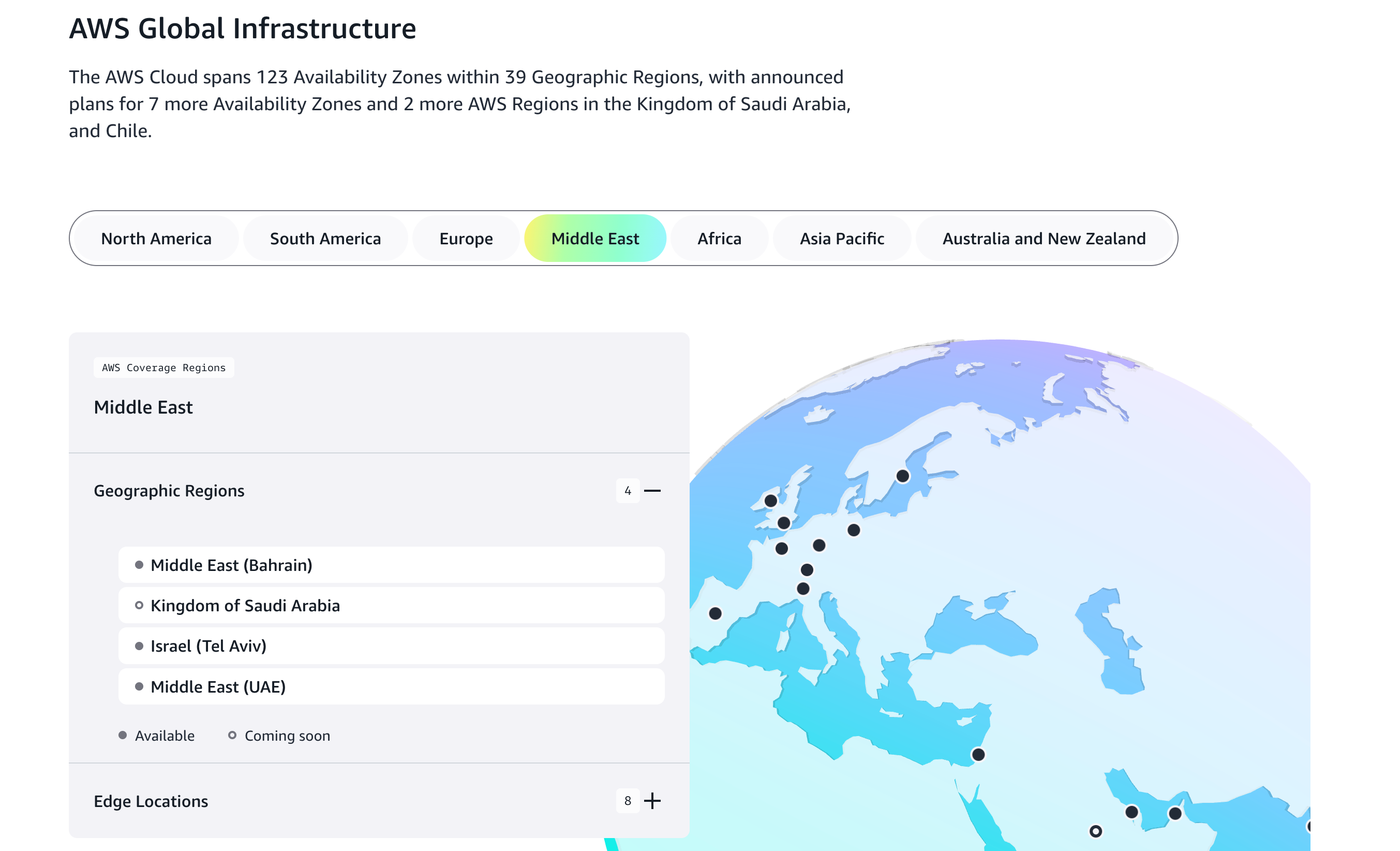
Iranian military actions have caused significant disruptions to Amazon Web Services (AWS) availability zones in Bahrain and Dubai, leaving them "hard down" and impairing operations for an extended period, according to internal AWS communications. The strikes have resulted in substantial damage to the infrastructure, prompting AWS to advise employees to deprioritize these regions.
The internal memo, reviewed by Big Technology, highlighted that the affected regions continue to be impaired, and services should not expect normal levels of redundancy and resiliency. AWS is actively working to free up capacity in the region for customers and has advised services to scale to the minimal footprint required to support customer migration. An AWS spokesperson referred to a blog post about the disruptions, stating that the company is supporting affected customers by helping them migrate to alternate AWS regions, with many already successfully operating their applications from other parts of the world.
The situation in the Gulf has escalated as Iran targets AWS infrastructure, with Bahrain facilities hit multiple times, including a recent strike that caused a fire. Similarly, AWS facilities in the United Arab Emirates (UAE) have also sustained multiple hits. The Islamic Revolutionary Guard Corps (IRGC) has threatened other U.S. tech giants, including Microsoft, Google, and Apple, indicating a broader strategic targeting of technology companies in the region.
Both Bahrain and Dubai have three "availability zones" or clusters of compute. According to the internal communication, two zones in each location are "hard down," while the third is "impaired but functioning." The extent of the damage and the timeline for recovery remain uncertain, but AWS is urging customers to migrate their workloads to other regions to ensure continuity.
The ongoing conflict in the Gulf has underscored the vulnerability of critical infrastructure in the region, particularly for major technology companies like AWS. As the situation evolves, AWS continues to stress the importance of migrating workloads to alternate locations to mitigate potential disruptions. The targeting of AWS infrastructure highlights the geopolitical risks faced by tech companies operating in conflict zones and the need for robust contingency planning.









